Bulgaria Travel, Structured Around Sofia, Mountains, Coast and Heritage
Plan Bulgaria through Sofia, Plovdiv, Varna, Bansko, Rila Monastery, Black Sea coast, mountains, food, hotels, rail and road routes.
Start Planning BulgariaBulgaria Travel Guide: Routes, Stay Bases, Culture and Experiences
Trip shape: Bulgaria becomes easier to plan when the first question is where the trip should slow down. The visitor should be able to see why Sofia, Plovdiv, Black Sea Coast and Rila and Bansko belong in the plan, and why Rila and Pirin, Black Sea Coast, Veliko Tarnovo and First Bulgaria Trip deserve either a day trip or a proper overnight stay.
Best for: Rila and Pirin, Black Sea Coast, Veliko Tarnovo and First Bulgaria Trip give Bulgaria its deeper travel layer. Some visitors need one main city and one day trip; others should slow down, split the journey and give the strongest region its own nights.
Planning rule: Start with arrival logic, season and the first overnight point, then add the experiences that genuinely deserve advance planning. Museums, landmarks, guided tours, food walks, local neighbourhoods and coastal or countryside days should be grouped by geography and timing.
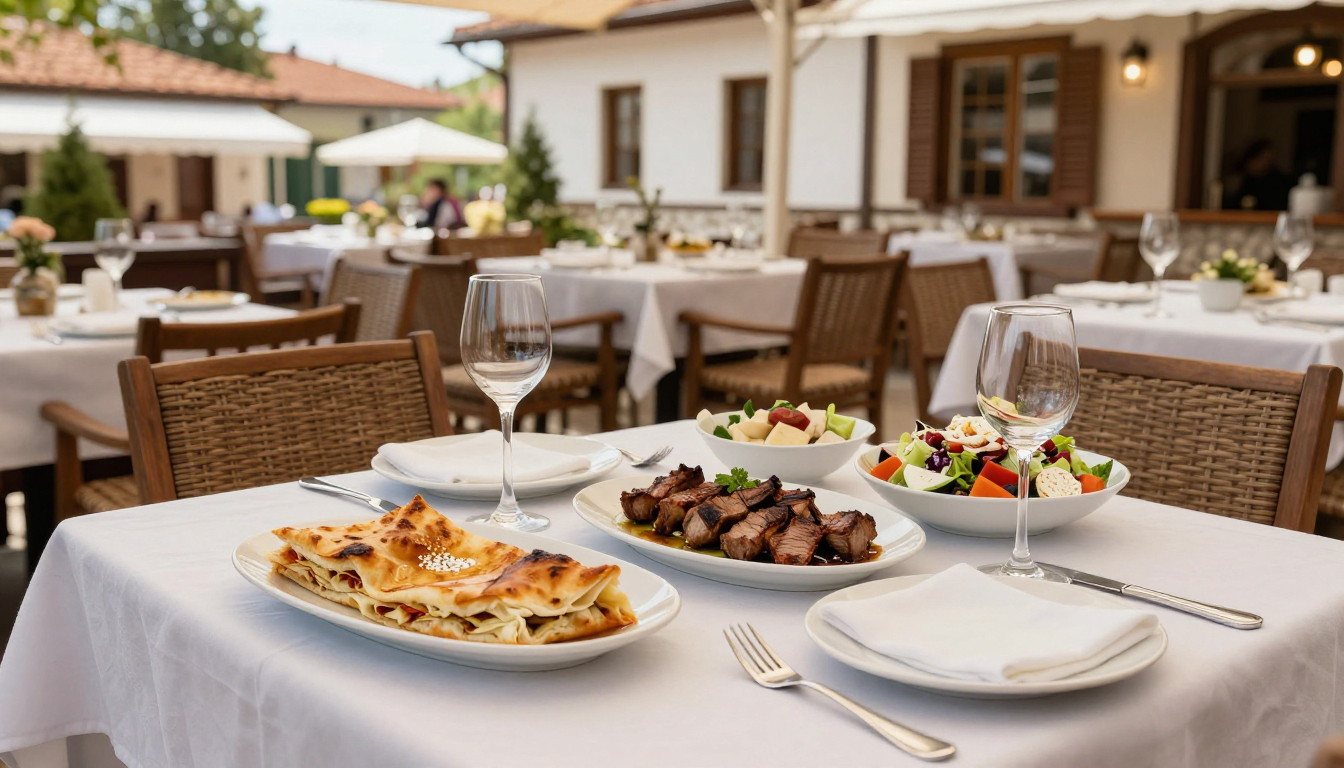
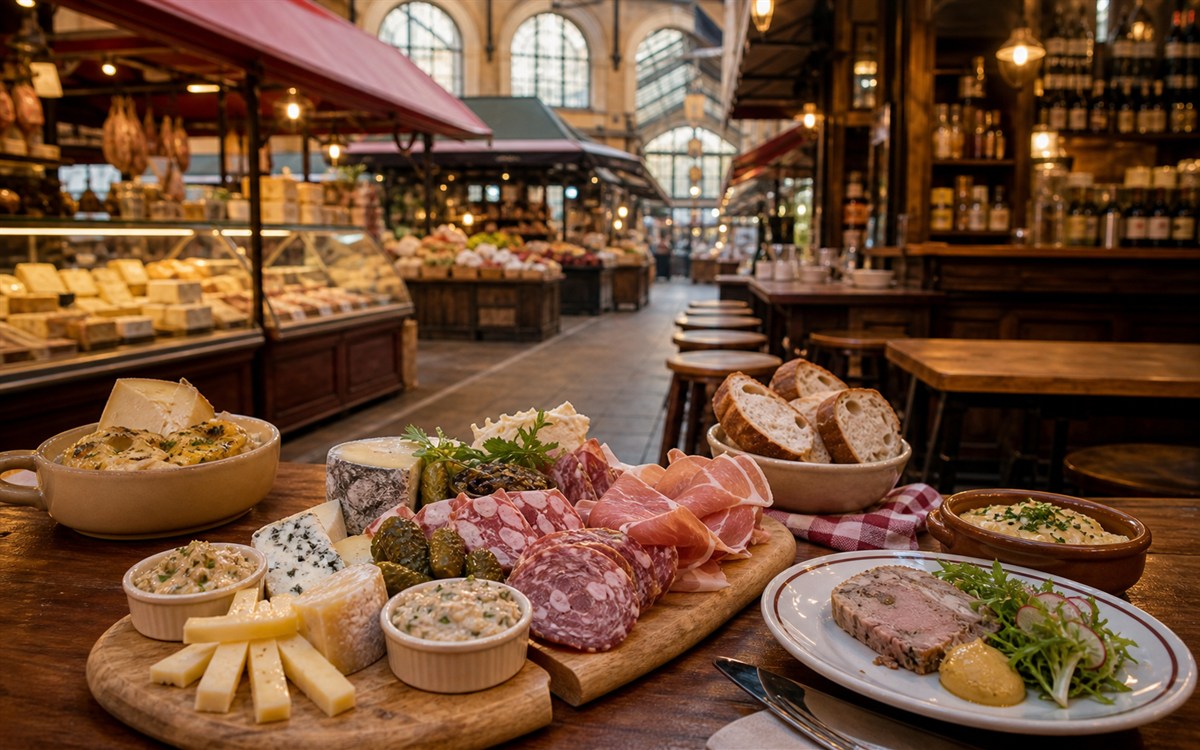
Route logic: shopska salad, yogurt, grilled meats, banitsa, vegetable dishes and fresh herbs are central to everyday Bulgarian meals. Thracian wine routes, mountain taverns, slow stews and village bakeries add regional depth beyond the main cities. Keep food close to the chosen hotel area where possible: the best meals often come from market streets, harbour areas, old-town restaurants and neighbourhoods already inside the day’s route.


Sofia: capital base, churches and mountain edge
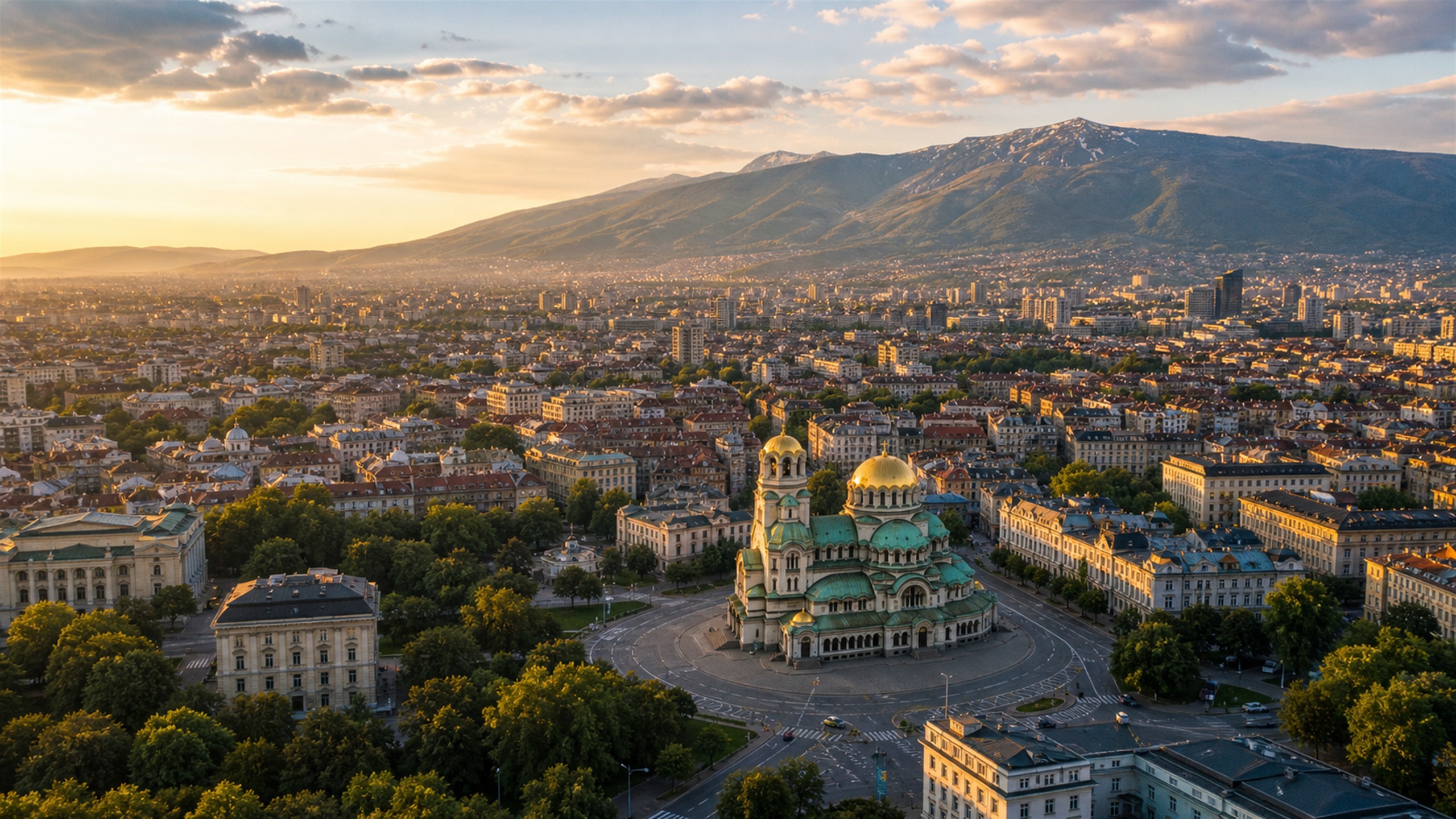
Best for: The value of Sofia is not only the headline sights; it gives the itinerary capital base, churches and mountain edge and a clearer local rhythm. Sofia is the practical first base for Bulgaria and has more texture than a simple arrival stop. Orthodox churches, Roman remains, national museums, cafe streets, market areas and immediate access to Vitosha Mountain make it a useful city stay before Plovdiv, Rila or the coast.
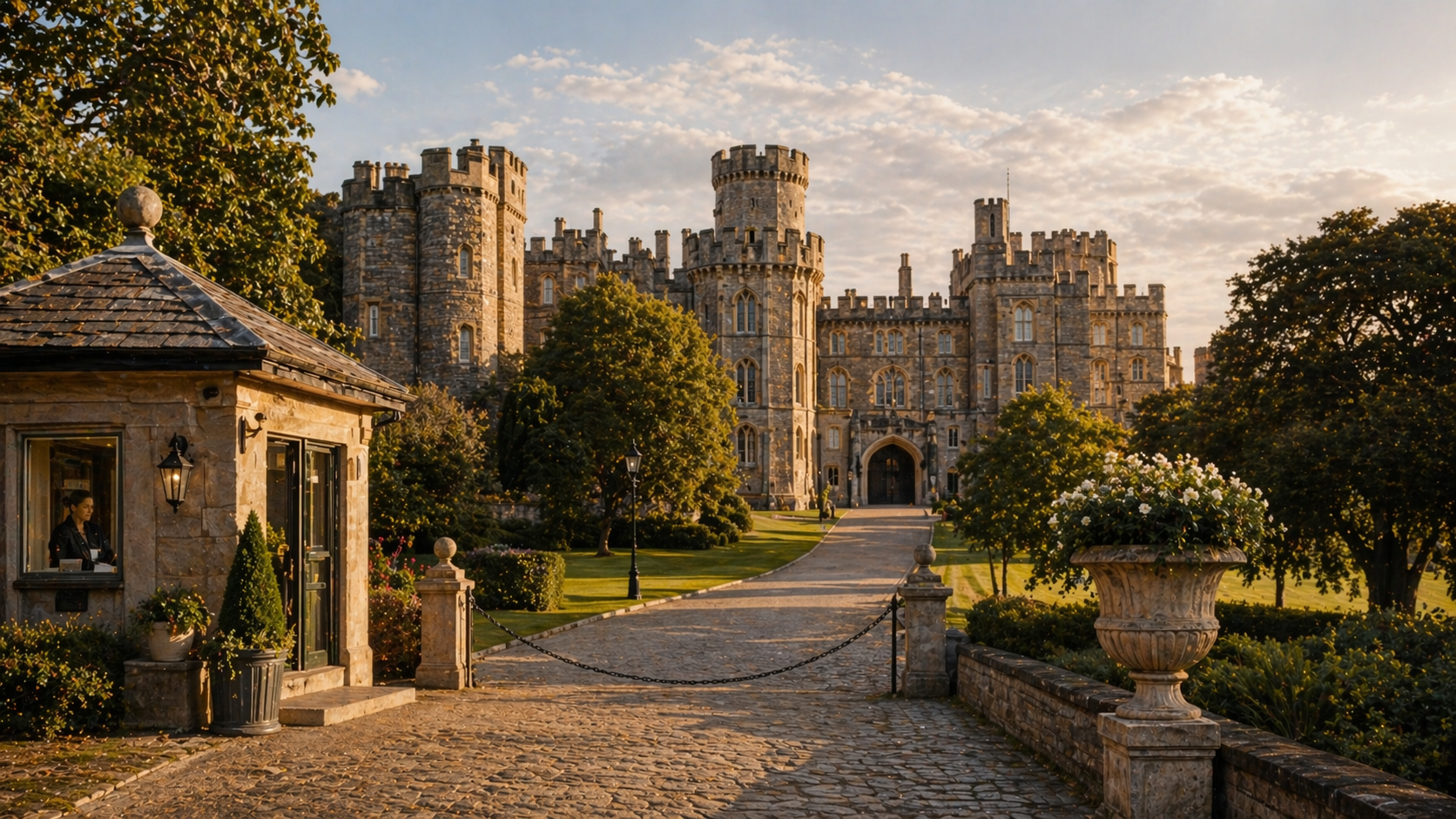
Historic landmarks: Alexander Nevsky Cathedral, Serdica Roman Remains, Vitosha Boulevard, Boyana Church and Vitosha Mountain, National Archaeological Museum and National Gallery should shape the sightseeing plan. Start nearby and walk through the central church and museum district. Good for understanding how the modern city sits over older foundations.
Museums and attractions: Choose the hotel area around City Centre, Vitosha Boulevard Area and Oborishte. Pick the district that makes arrival, evening movement and the first full day easier.
Hotels and stay areas: Sofia also needs a food layer. Build meals around shopska salad, banitsa, tarator, kebapche, lukanka, Bulgarian yogurt, Vitosha Boulevard and Oborishte so the visitor has a reason to slow down between museums, viewpoints and transfers.
Food and restaurants: Rila Monastery and Plovdiv can extend the stay when there is enough time. The classic cultural day route from Sofia. The natural second city for a first Bulgaria trip.
Plan this part of the trip



Plovdiv: old town, Roman theatre and creative quarter
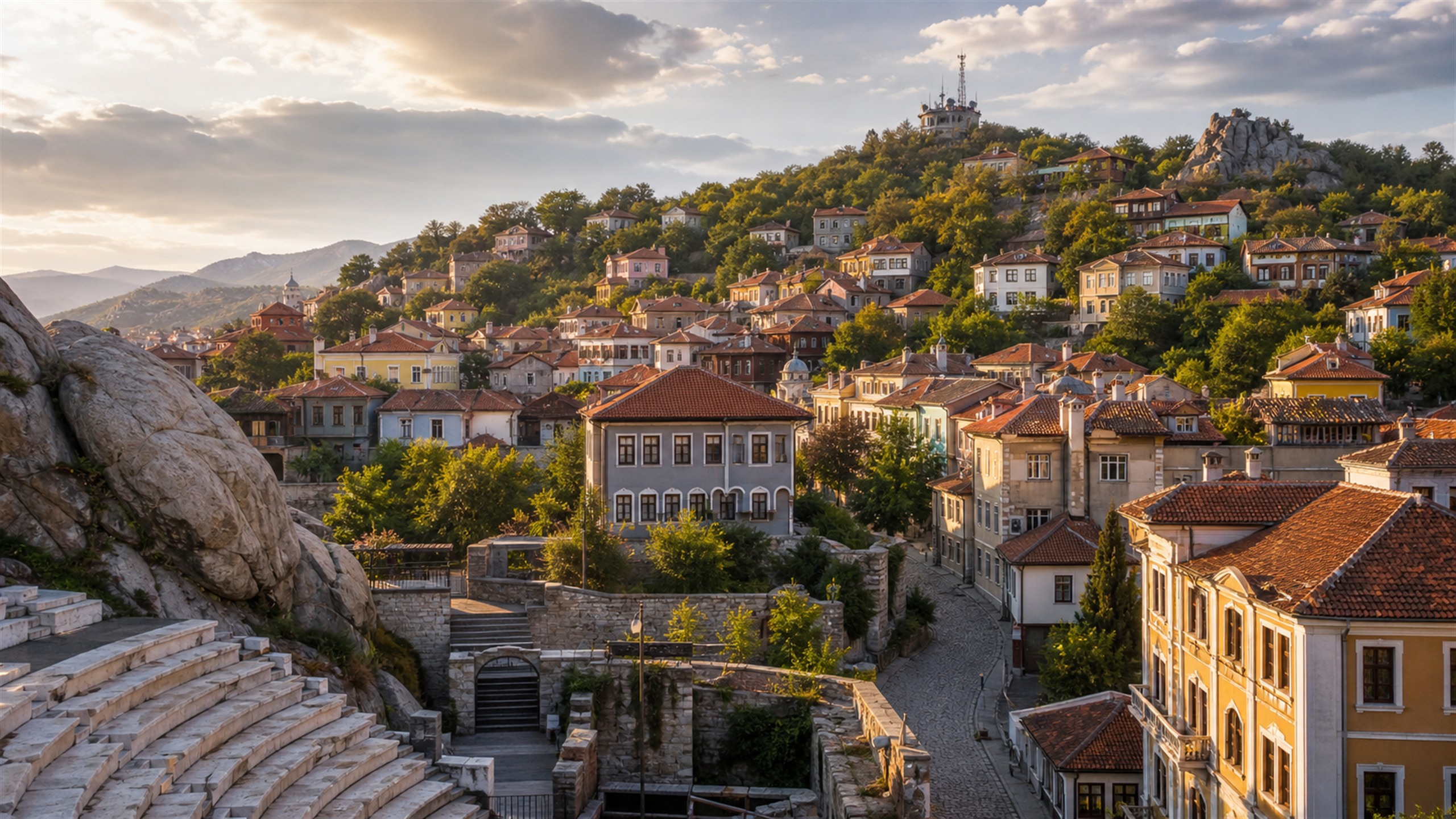
Best for: Plovdiv deserves a proper place in the Bulgaria plan, especially when the trip needs old town, Roman theatre and creative quarter. Plovdiv is the most appealing slow-city stop in Bulgaria for many travellers, especially after Sofia. Roman remains, hill views, Revival-period houses, galleries, wine bars and the compact Kapana creative quarter give the city enough range for culture, food and unhurried evening walks.
Historic landmarks: Ancient Theatre of Philippopolis, Old Town Revival Houses, Kapana Creative District, Roman Stadium Area, Regional Ethnographic Museum and Ancient Theatre should shape the sightseeing plan. Check performance schedules if visiting in summer. Wear comfortable shoes and avoid rushing the slopes.
Museums and attractions: Choose the hotel area around Old Town Edge, Kapana and Central Pedestrian Area. Pick the district that makes arrival, evening movement and the first full day easier.
Hotels and stay areas: Plovdiv also needs a food layer. Build meals around shopska salad, kavarma, banitsa, Bulgarian wine, grilled meats, yogurt dishes, Kapana and Old Town so the visitor has a reason to slow down between museums, viewpoints and transfers.
Food and restaurants: Bachkovo Monastery and Thracian Wine Country can extend the stay when there is enough time. A useful cultural and mountain-edge day route. A food and wine extension that works with a driver or tour.
Black Sea Coast: beaches, old towns and summer resort routes
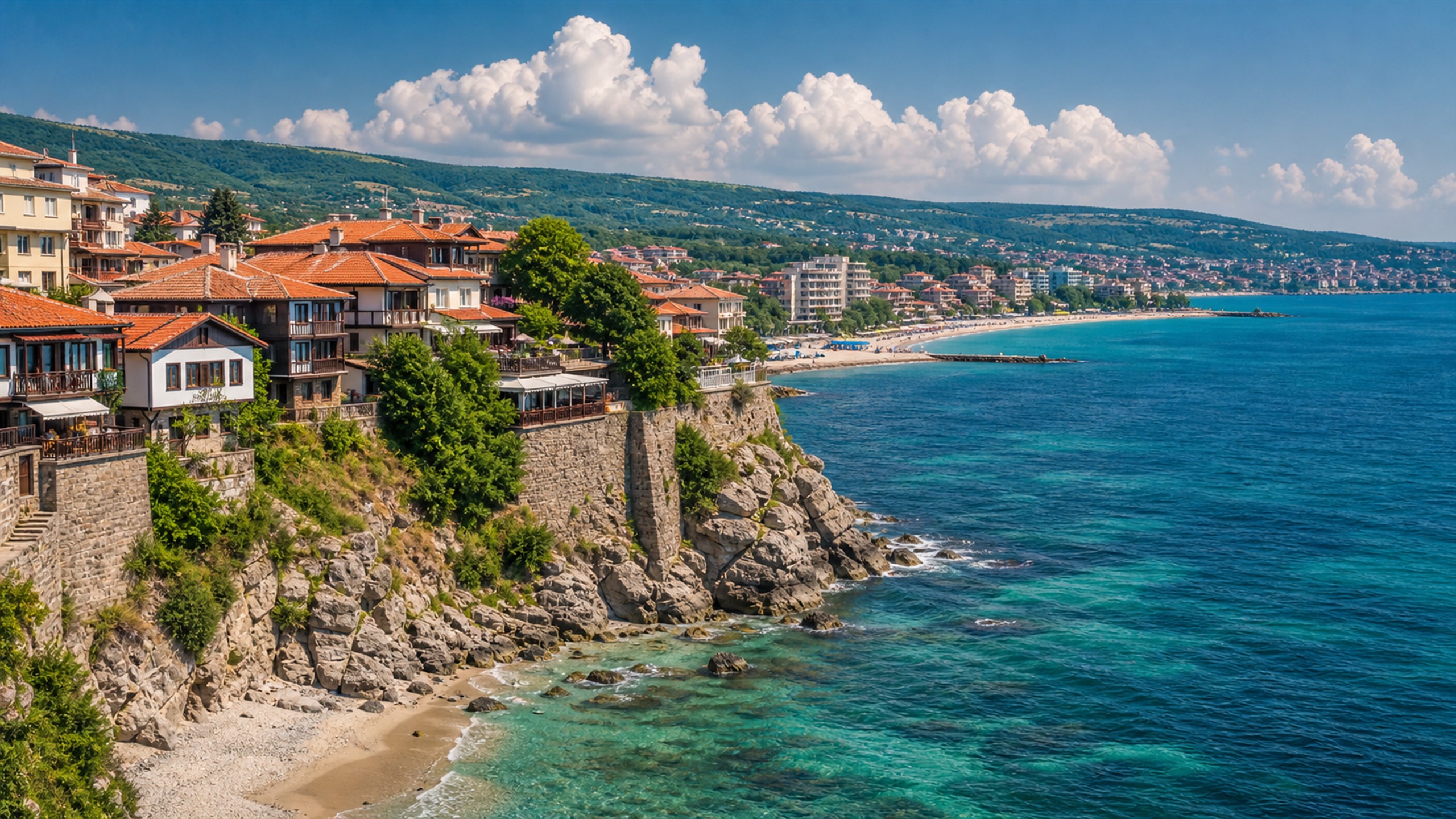
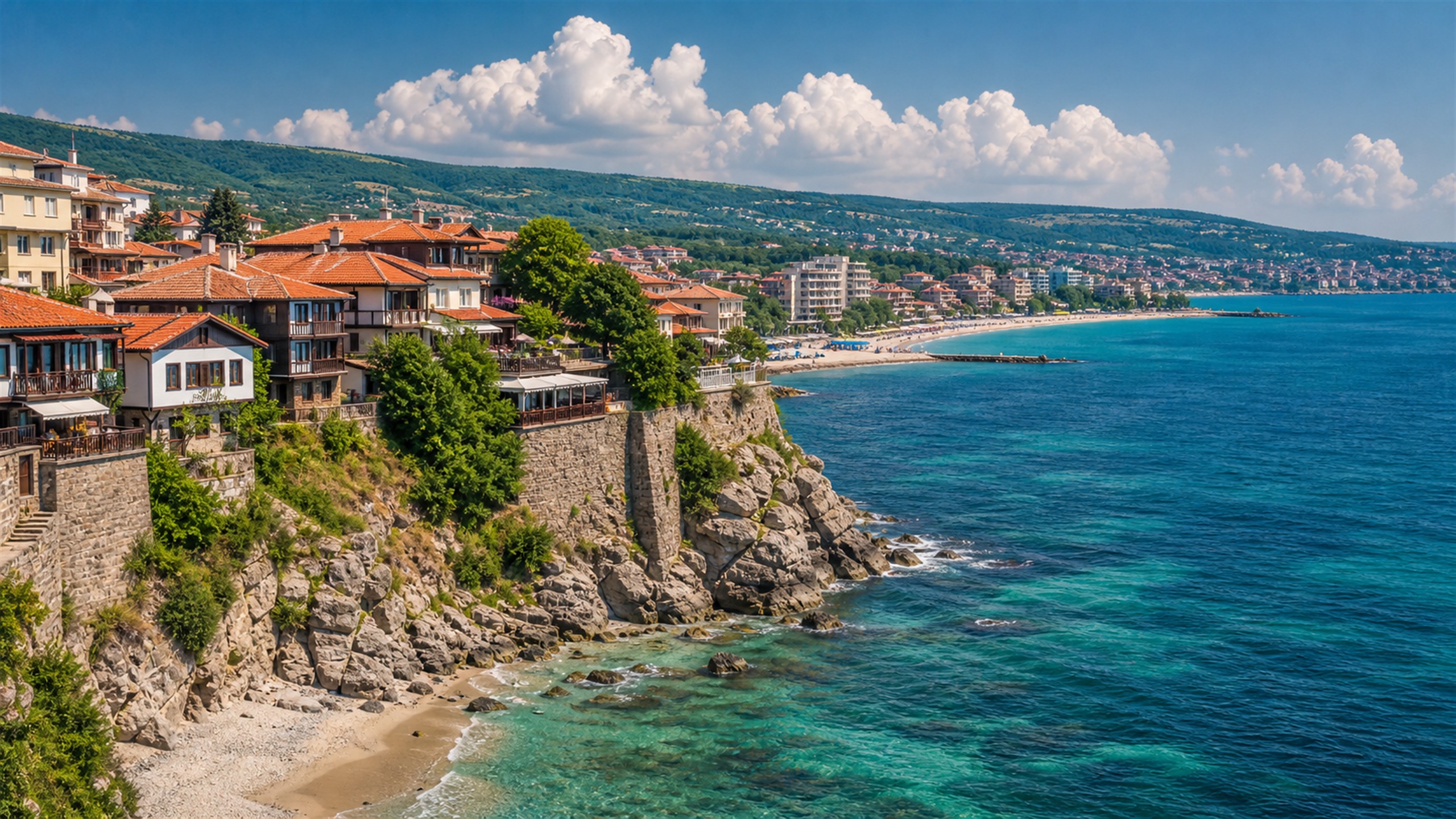
Best for: Black Sea Coast deserves a proper place in the Bulgaria plan, especially when the trip needs beaches, old towns and summer resort routes. The Black Sea Coast adds the maritime chapter of Bulgaria, with beaches, sea gardens, old church towns, archaeological museums and summer resort stays. Varna and Burgas work as practical gateways, while Nessebar, Sozopol and quieter shore bases keep the coast from feeling only resort-led.
Historic landmarks: Nessebar Old Town, Varna Sea Garden, Burgas Sea Garden and Pier, Balchik Palace and Gardens, Varna Archaeological Museum and Nessebar Churches should shape the sightseeing plan. Visit early or stay nearby if summer crowds are a concern. Good for balancing beach time with city structure.
Museums and attractions: Choose the hotel area around Varna, Nessebar or Sozopol and Burgas. Pick the district that makes arrival, evening movement and the first full day easier.
Hotels and stay areas: Black Sea Coast also needs a food layer. Build meals around grilled fish, tarator, shopska salad, mussels, banitsa, local white wine, Varna Centre and Sea Garden and Nessebar and Sozopol Old Towns so the visitor has a reason to slow down between museums, viewpoints and transfers.
Food and restaurants: Nessebar and Sozopol and Varna to Balchik can extend the stay when there is enough time. The strongest heritage pair on the southern coast. A northern coast route for gardens, sea views and museums.
Rila and Bansko: monastery, mountains and alpine-style stays
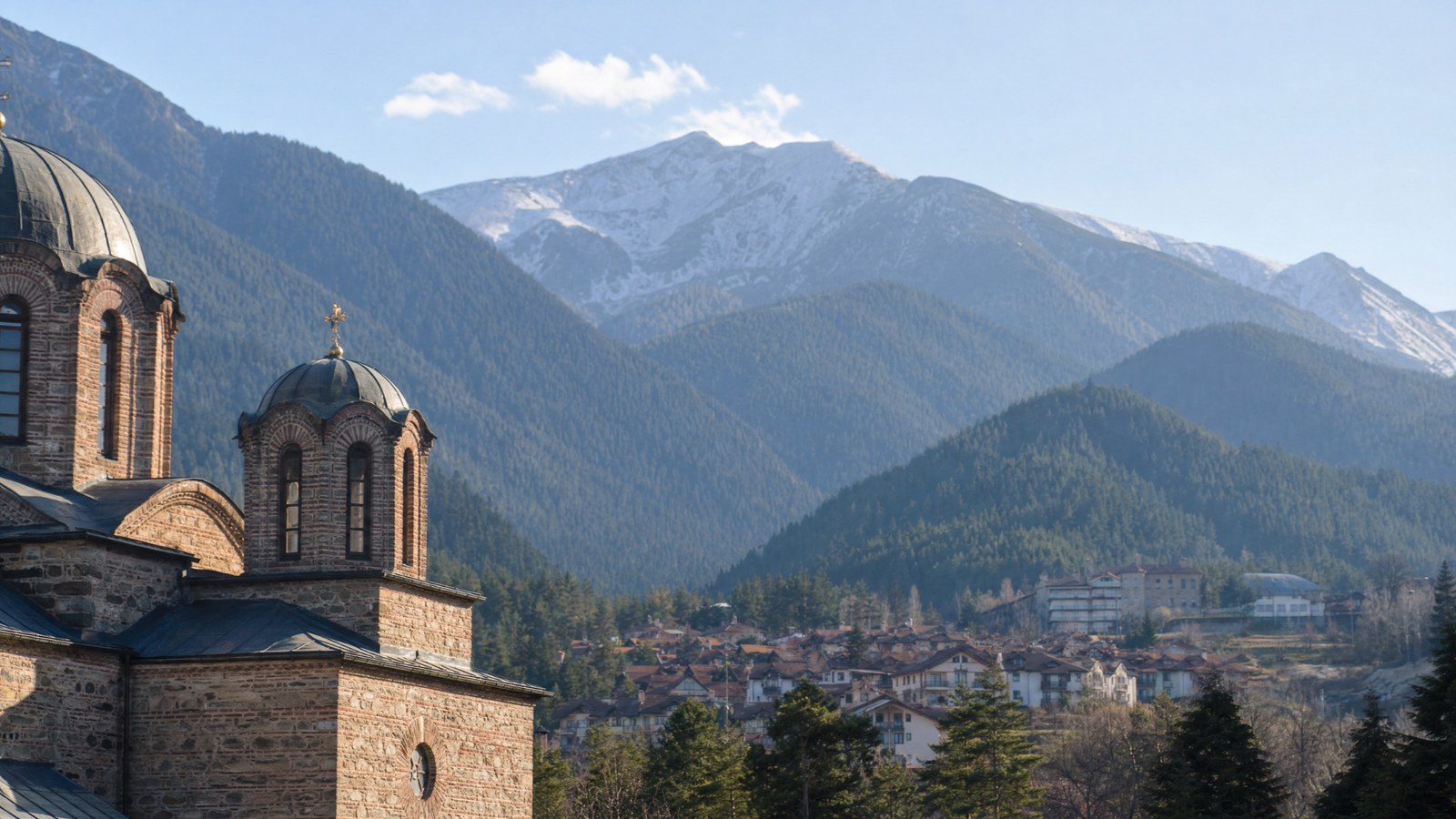
Best for: Use Rila and Bansko when the Bulgaria route needs monastery, mountains and alpine-style stays. Rila and Bansko give Bulgaria its mountain chapter and should be paced around roads, weather and purpose. Rila Monastery brings the strongest Orthodox heritage stop, while Bansko, Pirin access, taverns and high lake routes add hiking, winter sports and slower alpine-style stays.
Historic landmarks: Rila Monastery, Bansko Old Town, Pirin National Park Access, Seven Rila Lakes Route, Rila Monastery Museum and Velyanova House, Bansko should shape the sightseeing plan. Give it time and dress respectfully for an active religious site. Works better as an overnight base than a hurried stop.
Museums and attractions: Choose the hotel area around Bansko Old Town, Ski Lift Area and Blagoevgrad or Rila Area. Pick the district that makes arrival, evening movement and the first full day easier.
Hotels and stay areas: Rila and Bansko also needs a food layer. Build meals around kapama, cheverme, bean soup, shopska salad, banitsa, local cheeses, Bansko Old Town and Ski Base Area so the visitor has a reason to slow down between museums, viewpoints and transfers.
Food and restaurants: Sofia and Melnik Wine Area can extend the stay when there is enough time. The natural arrival base for Rila routes. A southern food and wine extension for longer trips.
Food, Culture and Route Ideas for Bulgaria
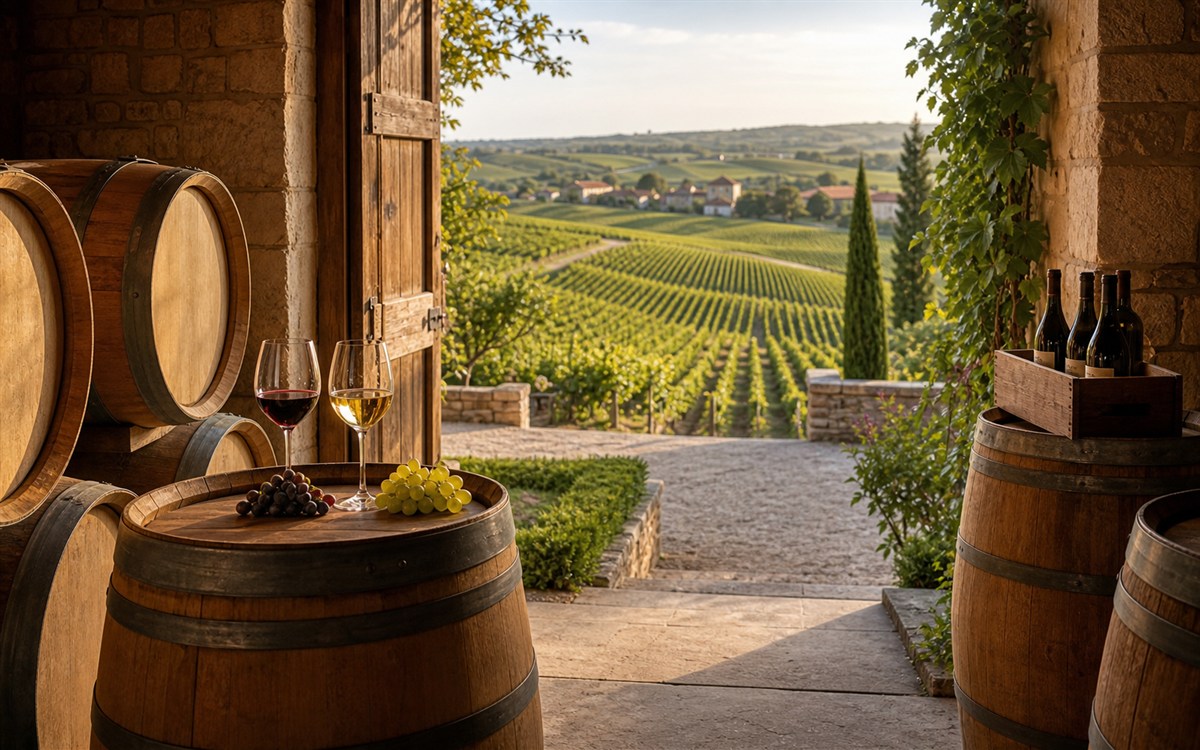
Food route: shopska salad, yogurt, grilled meats, banitsa, vegetable dishes and fresh herbs are central to everyday Bulgarian meals. Thracian wine routes, mountain taverns, slow stews and village bakeries add regional depth beyond the main cities. Church traditions, music, rose-season events and local festivals help define the cultural year outside resort periods. This is where food, culture and route planning should work together.
Food, wine and restaurants: Build meals around shopska salad, banitsa, tarator, kebapche, lukanka, Bulgarian yogurt and kavarma and keep them close to Vitosha Boulevard, Oborishte, Women’s Market Area, Kapana and Old Town.
Popular experiences: Use Sofia for arrival, add Plovdiv for old-town culture, then choose coast or mountains based on season. Sofia and Plovdiv work well by rail or road, with monastery and wine-region extensions. Keep the route disciplined: one clear hotel area, one strong regional layer and one food or culture experience will usually feel better than trying to touch every possible stop.
Planning rule: Use bookings in a clean order: choose the hotel area first, then add attraction tickets, food tours, guided days and local experiences where they make the journey easier, richer and more realistic.