Brazil Travel, Structured Around Cities, Coast and Nature Scale
Plan Brazil through Rio de Janeiro, Sao Paulo, Salvador, Iguazu Falls, the Amazon, beaches, food, music, hotels, domestic flights and region-first routes.
Start Planning BrazilCheck Current Advice Before Booking
Travel safety note: Official UK FCDO advice may warn against travel to specific regions of this country. This guide is for general planning only. Check the latest GOV.UK Foreign Travel Advice before booking or travelling.
Regional note: FCDO regional advice covers specified river areas in Amazonas State. WorldFun Brazil planning should avoid restricted river areas and focus on mainstream city, coast, culture, and nature routes where current advice permits travel.
Last WorldFun FCDO review: 2026-04-26
Check GOV.UK FCDO adviceBrazil Travel Guide: Routes, Stay Bases, Culture and Experiences
Trip shape: Build Brazil from the ground up: arrival, hotel area, movement, then experiences. The practical starting point should come from Rio de Janeiro, São Paulo, Salvador and Iguaçu Falls, while Amazon, Iguazu Falls, Bahia Coast and First Brazil Trip should be added only when they improve the journey instead of scattering it.
Best for: Amazon, Iguazu Falls, Bahia Coast and First Brazil Trip give Brazil its deeper travel layer. Some visitors need one main city and one day trip; others should slow down, split the journey and give the strongest region its own nights.
Planning rule: Start with arrival logic, season and the first overnight point, then add the experiences that genuinely deserve advance planning. Museums, landmarks, guided tours, food walks, local neighbourhoods and coastal or countryside days should be grouped by geography and timing.
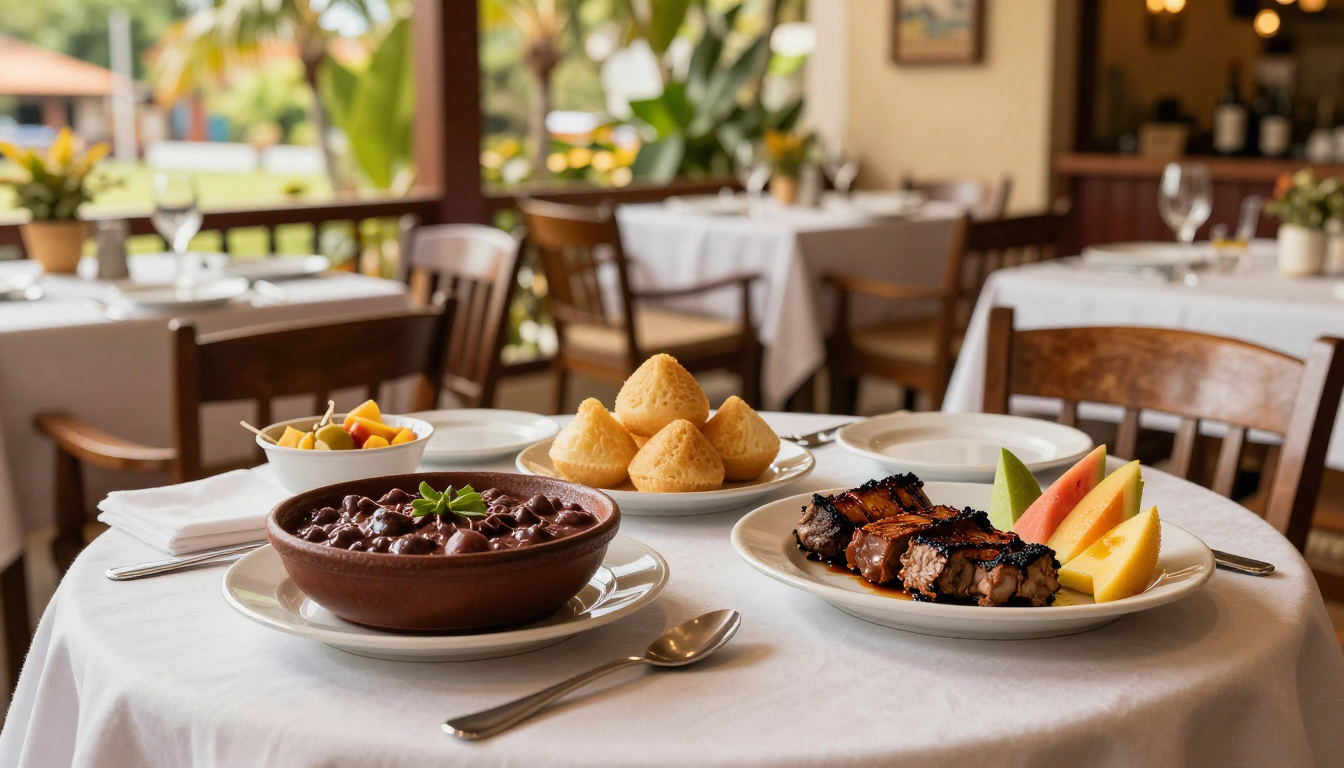
Route logic: feijoada, pão de queijo, acarajé, seafood, churrasco and tropical fruit vary strongly by region. Samba, bossa nova, Afro-Brazilian traditions and street festivals shape many city evenings. Keep food close to the chosen hotel area where possible: the best meals often come from market streets, harbour areas, old-town restaurants and neighbourhoods already inside the day’s route.
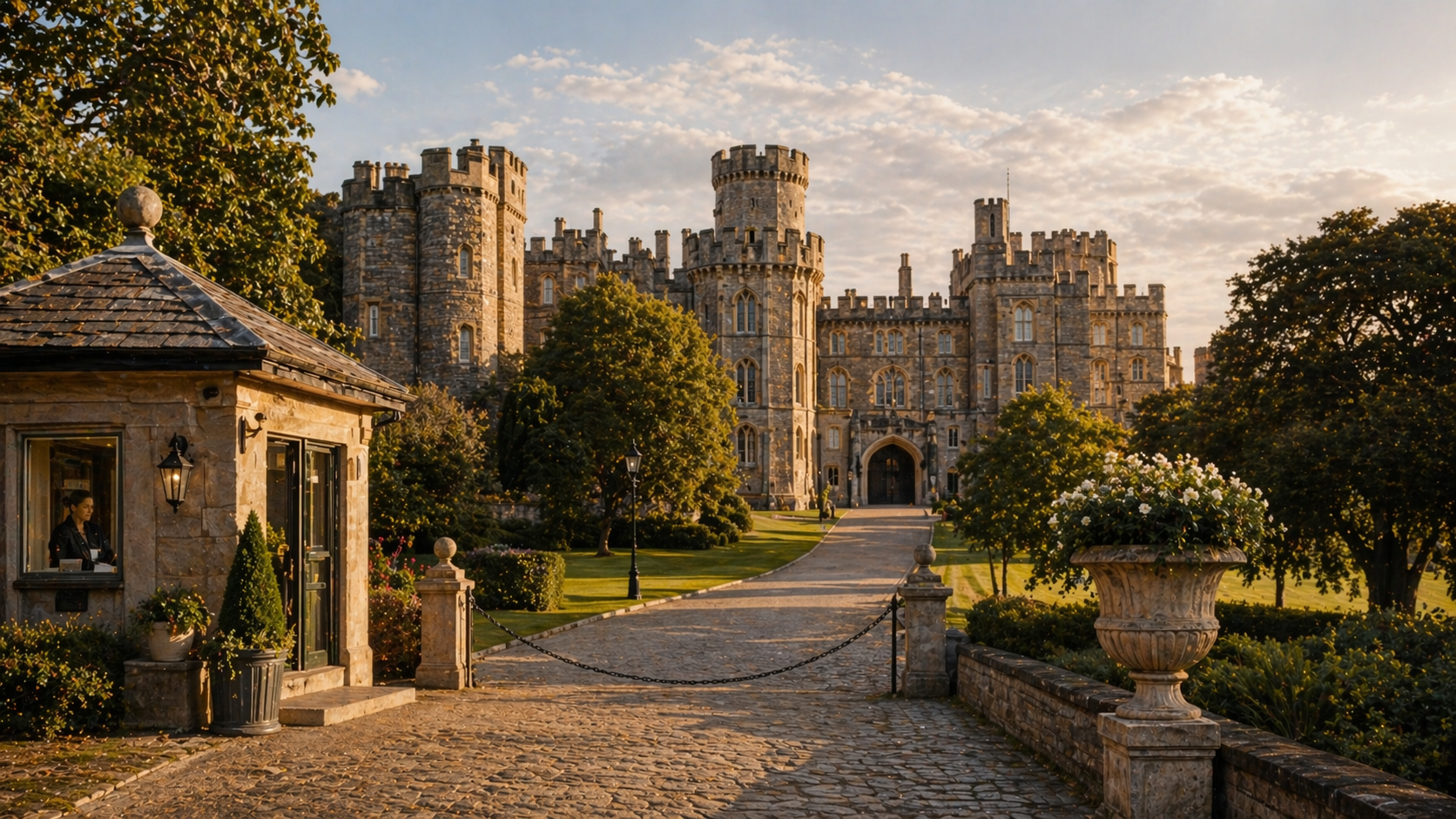
Rio de Janeiro: beaches, viewpoints and Brazilian city rhythm
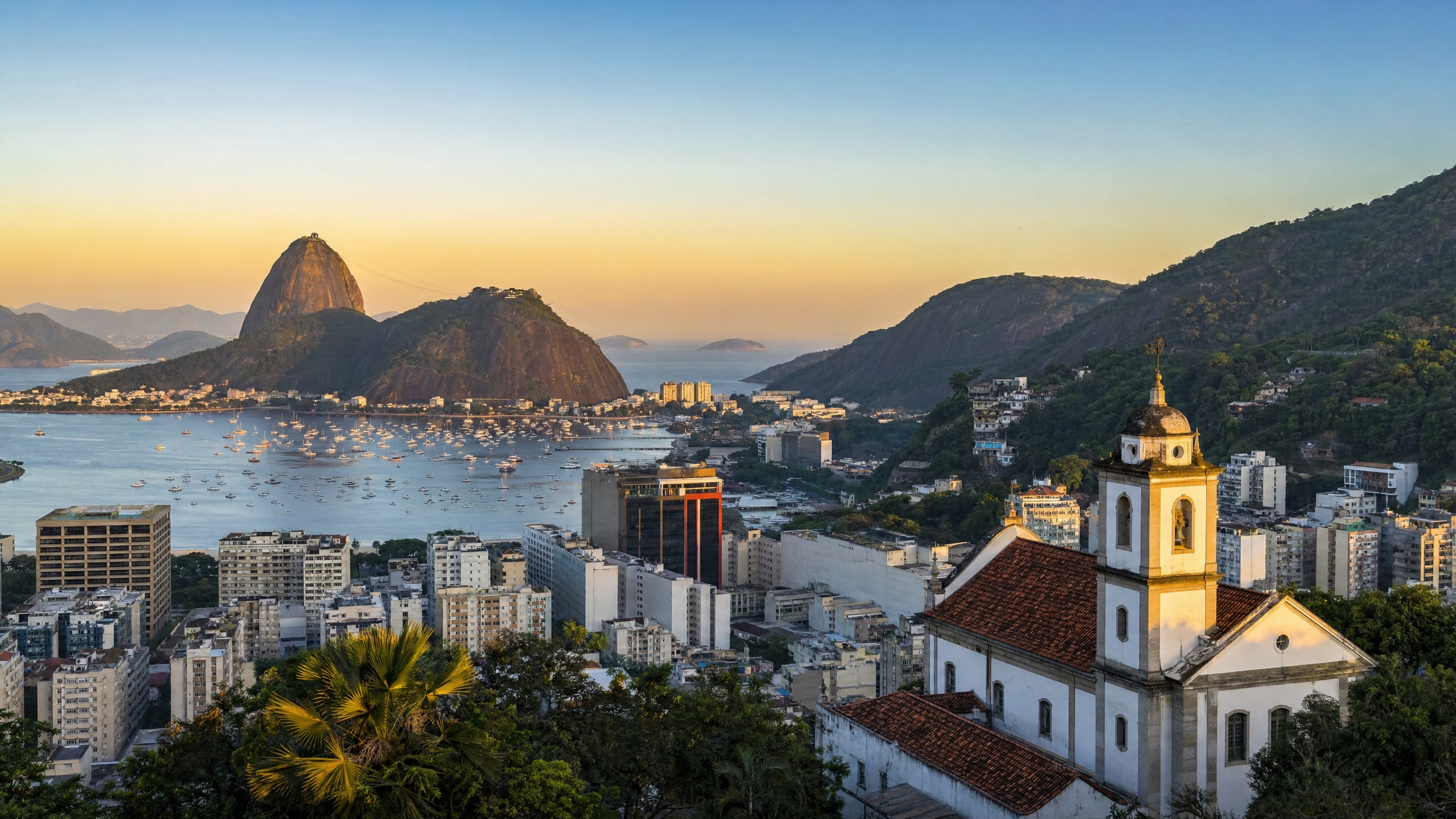
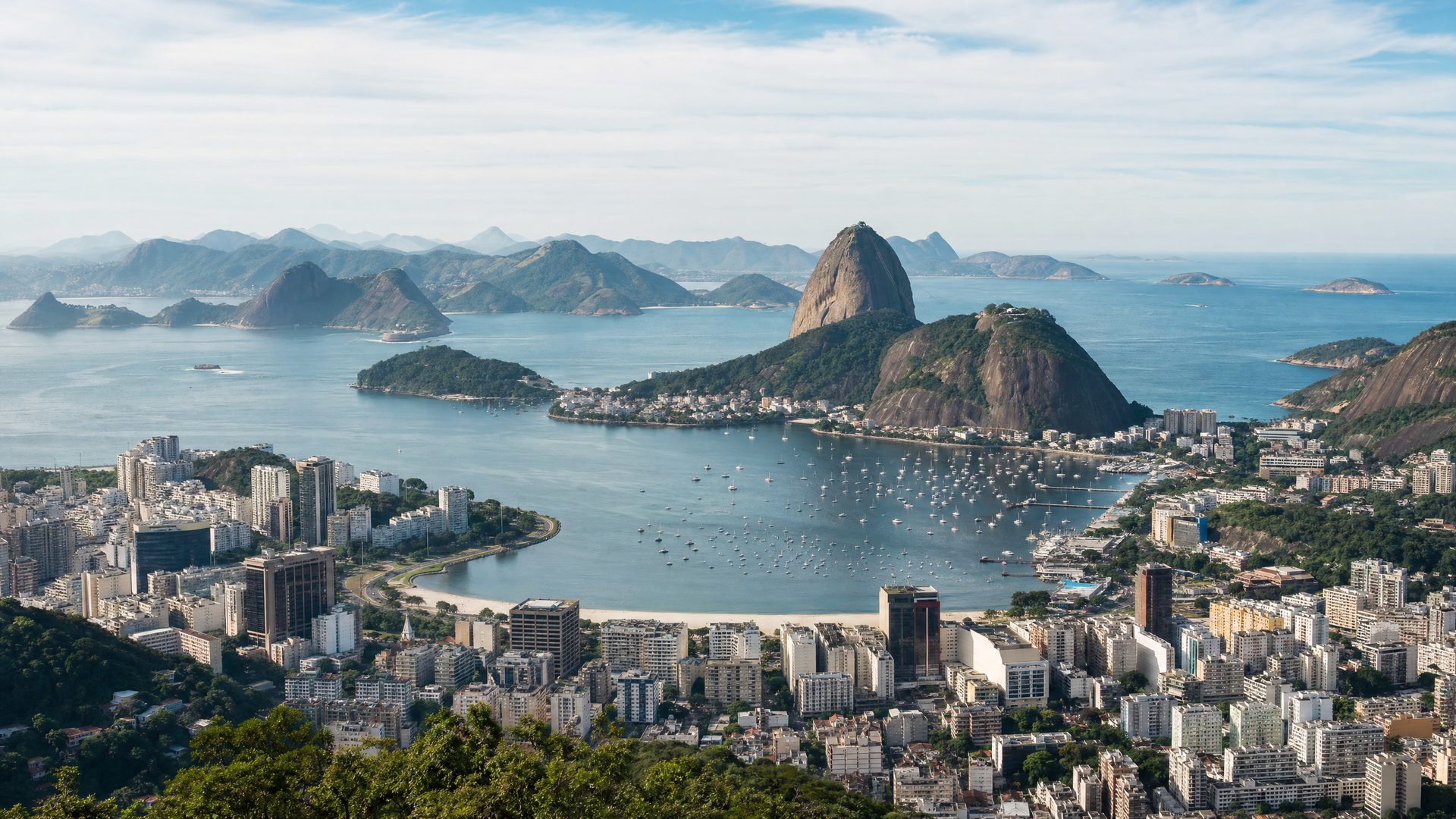
Best for: Rio de Janeiro works better as a lived-in stop than as a fast photo pin, with beaches, viewpoints and Brazilian city rhythm shaping the day. Rio is Brazil's most visually distinctive first base, with beaches, mountains, music, museums, food and viewpoints that need careful area planning. It works best when travellers cluster beach districts, hill viewpoints and cultural evenings instead of trying to cross the whole city every day.
Historic landmarks: Christ the Redeemer, Sugarloaf Mountain, Copacabana and Ipanema, Santa Teresa and Lapa, Museu do Amanhã and Museu de Arte do Rio should shape the sightseeing plan. Choose a clear-weather window and book transport carefully. Sunset is popular, so plan timing and queues.
Museums and attractions: Choose the hotel area around Ipanema or Leblon, Copacabana and Santa Teresa. Pick the district that makes arrival, evening movement and the first full day easier.
Hotels and stay areas: Rio de Janeiro also needs a food layer. Build meals around feijoada, pão de queijo, açaí, pastel, caipirinha, grilled seafood, Ipanema and Leblon and Copacabana so the visitor has a reason to slow down between museums, viewpoints and transfers.
Food and restaurants: Petrópolis and Paraty or Ilha Grande can extend the stay when there is enough time. A mountain and imperial-history day route from Rio. A coast extension needing extra nights and transfer planning.
São Paulo: food, museums and Brazil’s urban scale
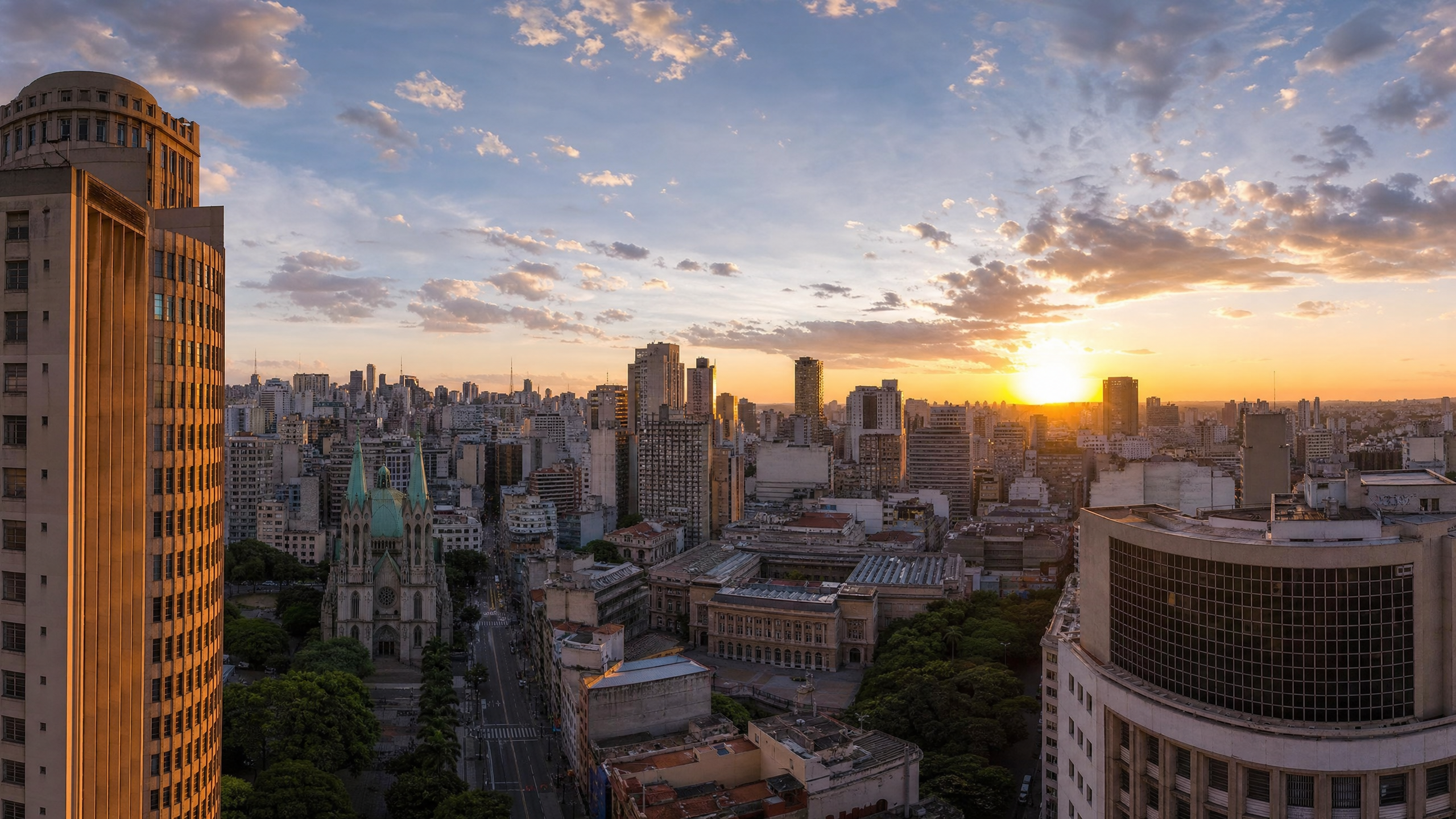
Best for: São Paulo deserves a proper place in the Brazil plan, especially when the trip needs food, museums and Brazil’s urban scale. São Paulo gives Brazil its deepest urban food and culture chapter, with major museums, markets, galleries, architecture and neighbourhood dining. It is less about quick landmark collecting and more about choosing districts for art, food, nightlife and contemporary Brazilian city life.
Historic landmarks: Avenida Paulista, MASP, Municipal Market and Historic Centre, Ibirapuera Park, Pinacoteca de São Paulo and Museu Afro Brasil should shape the sightseeing plan. Use it on a Sunday if pedestrian closures fit the trip. Check exhibitions and allow focused time.
Museums and attractions: Choose the hotel area around Jardins, Pinheiros and Avenida Paulista Area. Pick the district that makes arrival, evening movement and the first full day easier.
Hotels and stay areas: São Paulo also needs a food layer. Build meals around mortadella sandwich, pastel, pizza, sushi, coxinha, Brazilian coffee, Jardins and Liberdade so the visitor has a reason to slow down between museums, viewpoints and transfers.
Food and restaurants: Santos or Coast and Paraty or Rio can extend the stay when there is enough time. A coastal extension from the city. A longer route toward Brazil’s southeast coast.
Salvador: Afro-Brazilian culture, music and Bahia coast
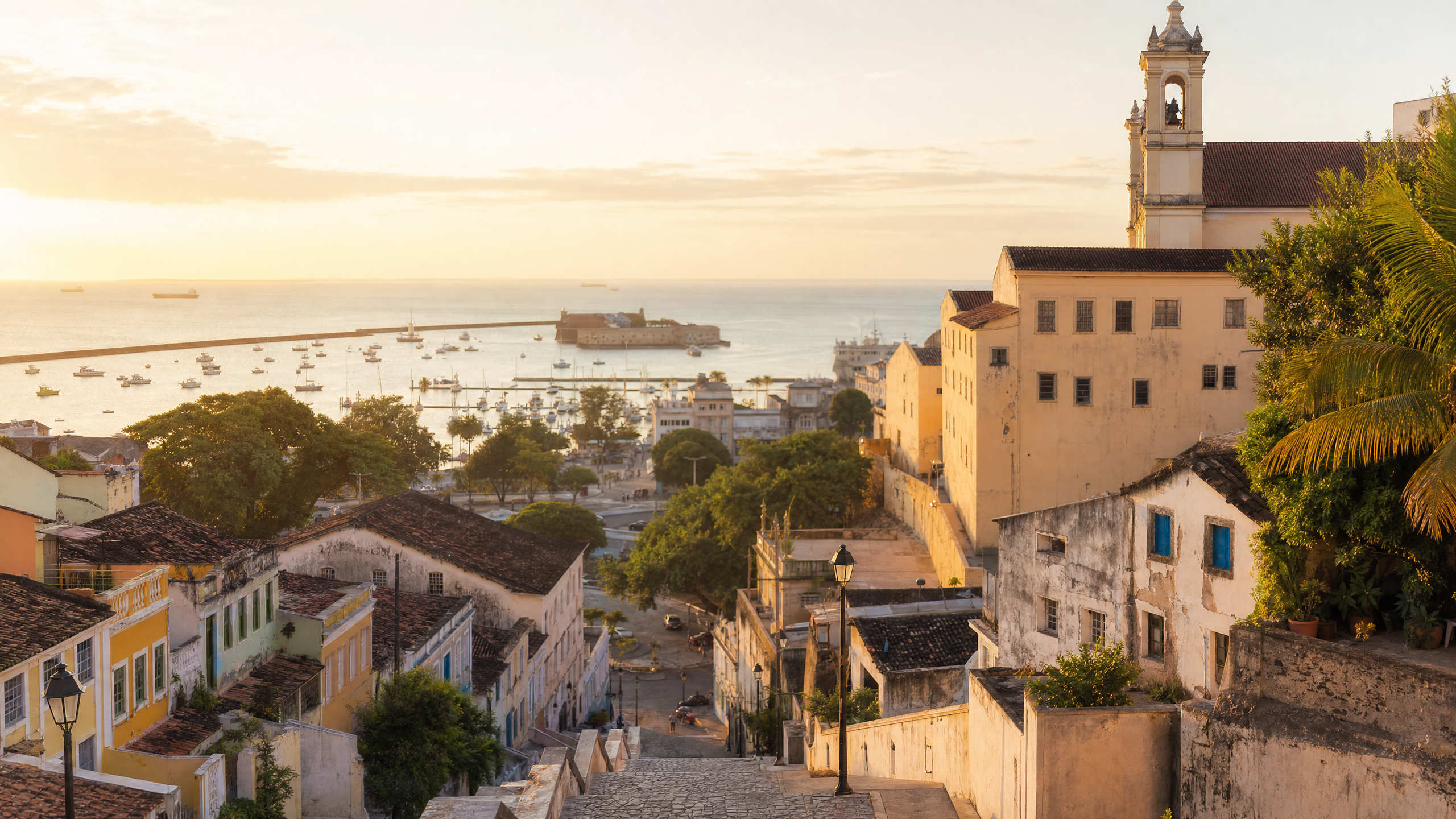
Best for: For Salvador, the first decision is pace: give the city enough room to show its Afro-Brazilian culture, music and Bahia coast. Salvador adds Bahia's Afro-Brazilian culture, music, food, churches, old streets and coastal viewpoints, making it a distinct chapter from Rio or São Paulo. The city rewards slower cultural pacing, with Pelourinho, Barra and Rio Vermelho each giving a different layer.
Historic landmarks: Pelourinho, Elevador Lacerda and Lower City, Igreja do Bonfim, Barra Lighthouse and Beach Area, Museu Afro-Brasileiro and Casa do Carnaval da Bahia should shape the sightseeing plan. Visit with daytime pacing and local guidance where useful. Use it as part of a wider old-city route.
Museums and attractions: Choose the hotel area around Barra, Rio Vermelho and Pelourinho Edge. Pick the district that makes arrival, evening movement and the first full day easier.
Hotels and stay areas: Salvador also needs a food layer. Build meals around acarajé, moqueca, vatapá, bobó de camarão, cocada, caipirinha, Pelourinho and Rio Vermelho so the visitor has a reason to slow down between museums, viewpoints and transfers.
Food and restaurants: Praia do Forte and Chapada Diamantina can extend the stay when there is enough time. A coast and village extension north of Salvador. A major inland nature route that needs several extra days.
Iguaçu Falls: waterfalls, nature and border logistics
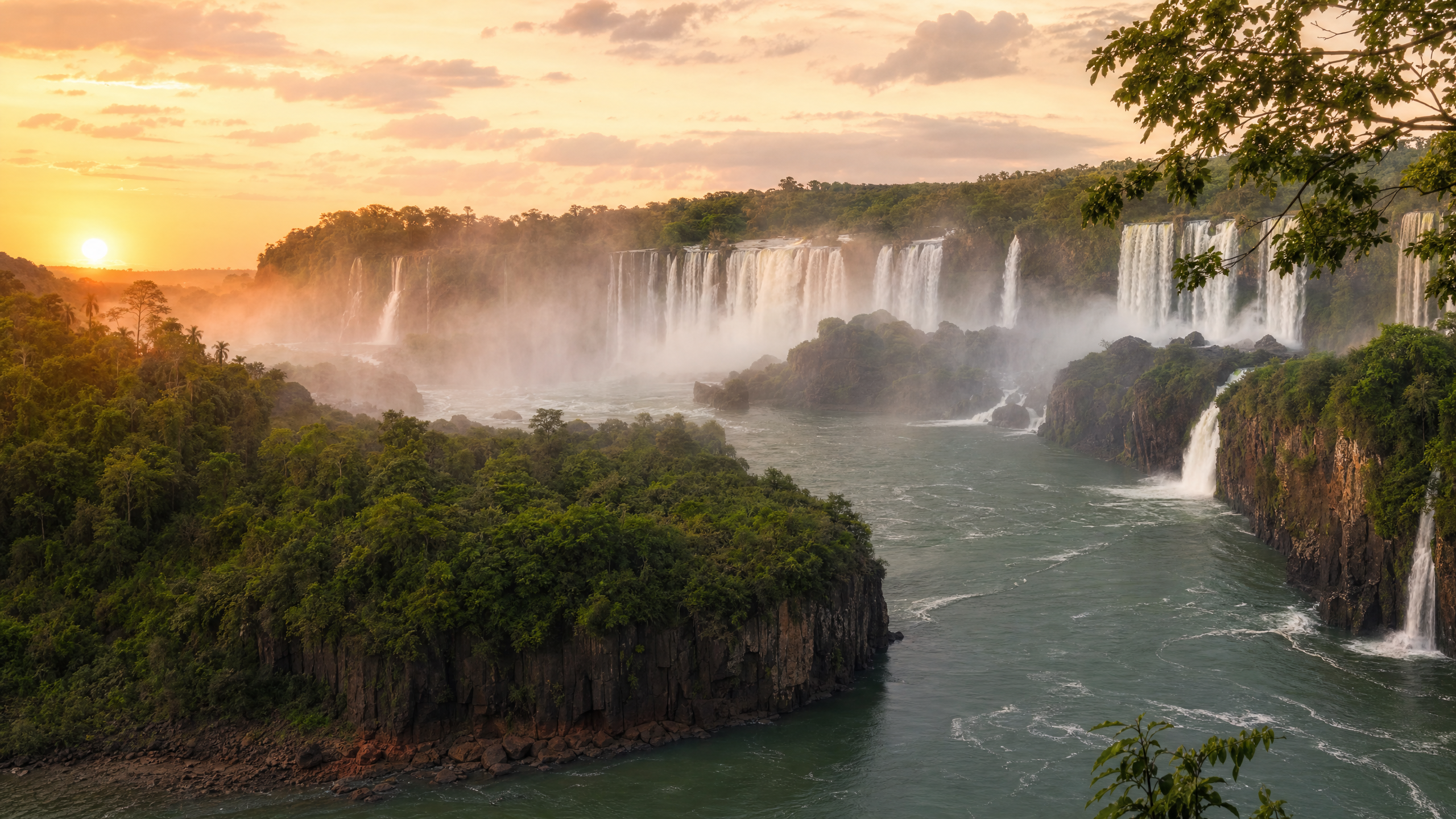
Best for: Use Iguaçu Falls when the Brazil route needs waterfalls, nature and border logistics. Iguaçu Falls is Brazil's major waterfall landscape, usually planned as a flight-based nature chapter with park timing and border logistics considered carefully. It suits travellers who want a short but memorable Nature Extension, especially when the Brazilian and Argentinian sides are paced separately.
Historic landmarks: Brazilian Side of Iguaçu Falls, Parque das Aves, Argentinian Side Day Route, Itaipu Area and Iguaçu National Park Visitor Centre should shape the sightseeing plan. Go early and expect spray near viewpoints. Pair it with the falls if time allows.
Museums and attractions: Choose the hotel area around Foz do Iguaçu and Inside or Near the Park. Pick the district that makes arrival, evening movement and the first full day easier.
Hotels and stay areas: Iguaçu Falls also needs a food layer. Build meals around churrasco, pão de queijo, Brazilian buffet dishes, tropical fruit, empanadas nearby, Foz do Iguaçu Centre, Falls Hotel Area and Puerto Iguazú Day Route so the visitor has a reason to slow down between museums, viewpoints and transfers.
Food and restaurants: Argentinian Side of the Falls and São Paulo or Rio Flights can extend the stay when there is enough time. A natural extension with separate border planning. The usual flight links for a Brazil itinerary.
Food, Culture and Route Ideas for Brazil
Food route: feijoada, pão de queijo, acarajé, seafood, churrasco and tropical fruit vary strongly by region. Samba, bossa nova, Afro-Brazilian traditions and street festivals shape many city evenings. Use established visitor areas, reputable guides where useful and sensible transport between regions. This is where food, culture and route planning should work together.
Food, wine and restaurants: Build meals around feijoada, pão de queijo, açaí, pastel, caipirinha, grilled seafood and mortadella sandwich and keep them close to Ipanema and Leblon, Copacabana, Lapa and Santa Teresa, Jardins and Liberdade.
Popular experiences: Pair Rio with either São Paulo or Iguaçu Falls rather than trying to cross too many regions. Rio, São Paulo and Salvador work as flight-linked city chapters with strong differences. Keep the route disciplined: one clear hotel area, one strong regional layer and one food or culture experience will usually feel better than trying to touch every possible stop.
Planning rule: Use bookings in a clean order: choose the hotel area first, then add attraction tickets, food tours, guided days and local experiences where they make the journey easier, richer and more realistic.