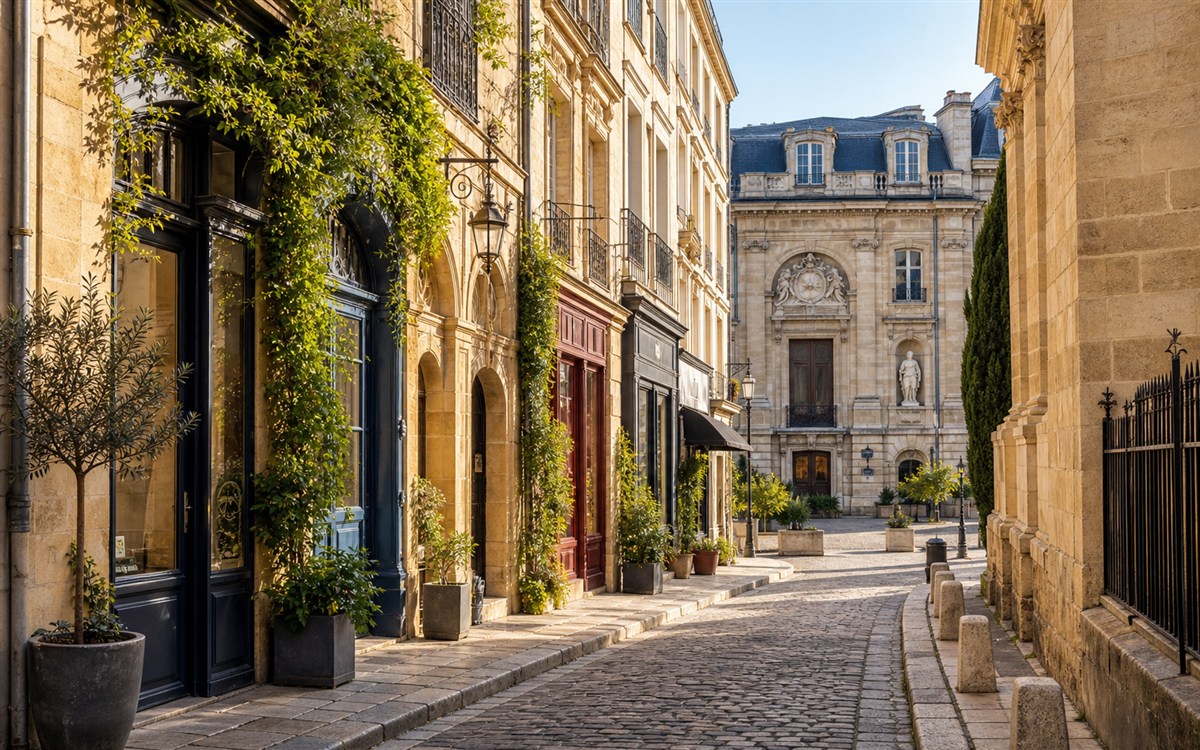
Bosnia and Herzegovina Travel, Structured Around Sarajevo, Mostar and Mountain Routes
Plan Bosnia and Herzegovina through Sarajevo, Mostar, Blagaj, Jajce, mountain scenery, Ottoman heritage, food, bridges, hotels, guided tours and Balkan routes.
Start Planning Bosnia and HerzegovinaBosnia and Herzegovina Travel Guide: Routes, Stay Bases, Culture and Experiences
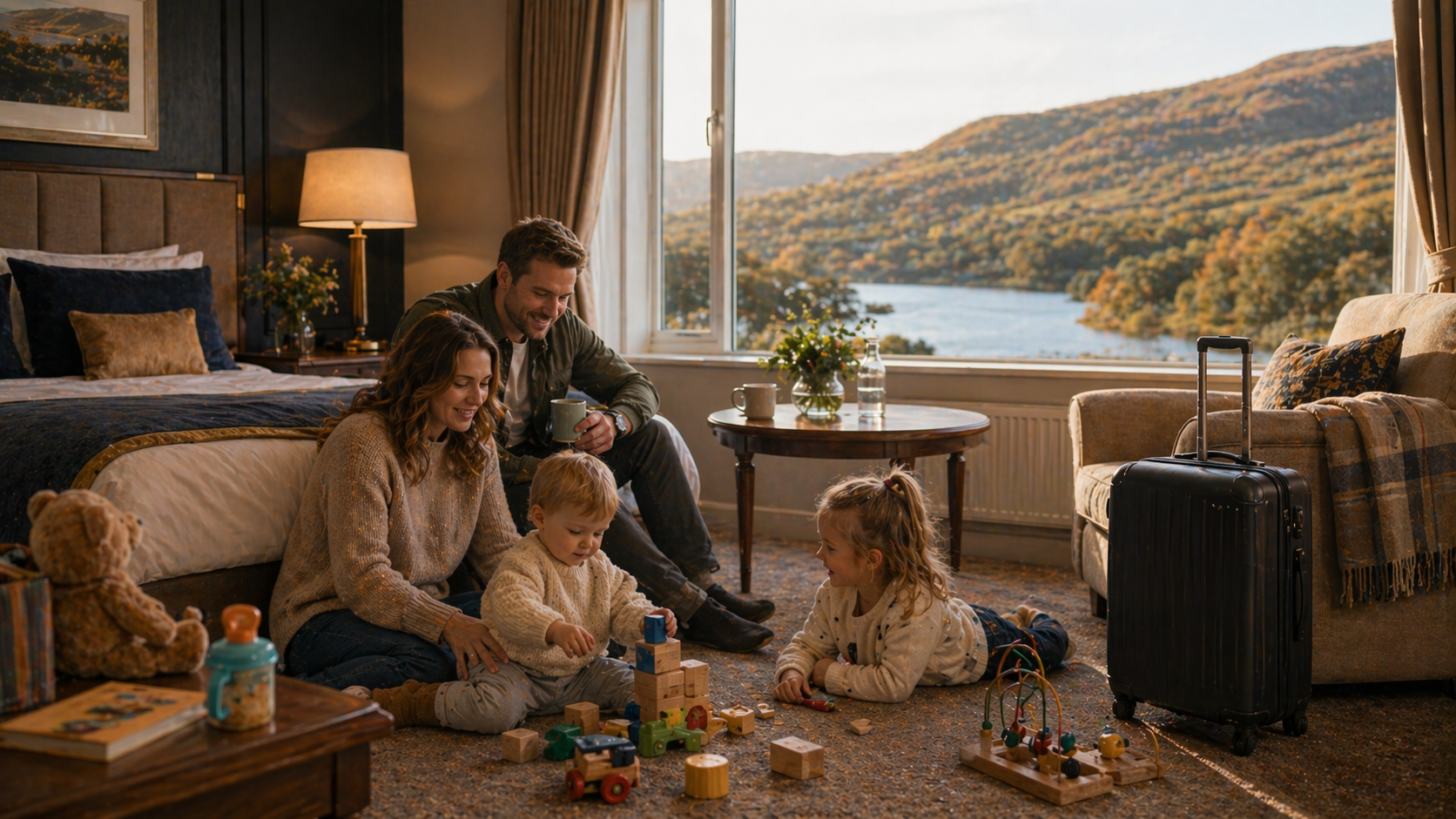
Trip shape: The route through Bosnia and Herzegovina should feel deliberate from the first booking. The visitor should be able to see why Sarajevo, Mostar, Jajce and Travnik and Banja Luka belong in the plan, and why Herzegovina, Jajce and Una, Olympic Mountains and First Bosnia Route deserve either a day trip or a proper overnight stay.
Best for: Herzegovina, Jajce and Una, Olympic Mountains and First Bosnia Route give Bosnia and Herzegovina its deeper travel layer. Some visitors need one main city and one day trip; others should slow down, split the journey and give the strongest region its own nights.
Planning rule: Start with arrival logic, season and the first overnight point, then add the experiences that genuinely deserve advance planning. Museums, landmarks, guided tours, food walks, local neighbourhoods and coastal or countryside days should be grouped by geography and timing.
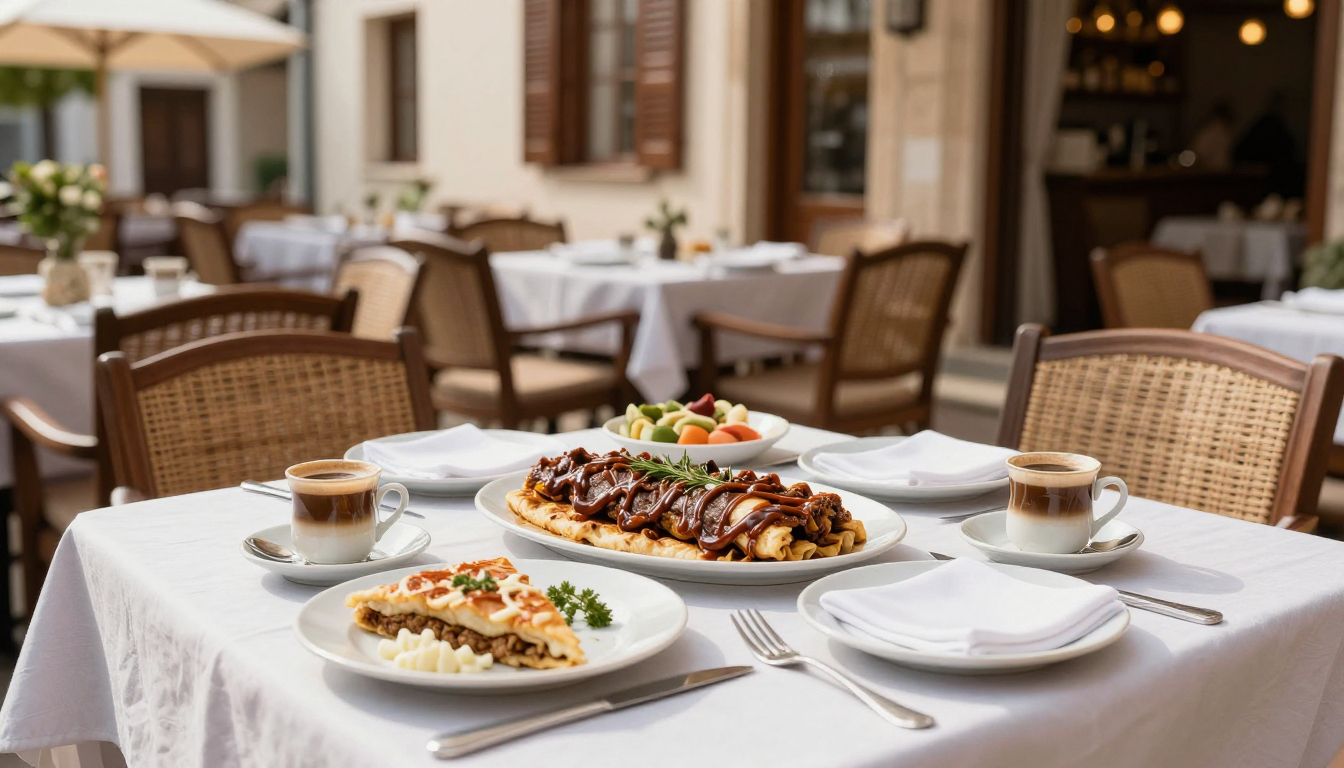
Route logic: Coffee rituals, pies, grilled meats, sweets and long cafe pauses help define the public rhythm. Mosques, churches, synagogues, old quarters and civic buildings sit close together in key cities. Keep food close to the chosen hotel area where possible: the best meals often come from market streets, harbour areas, old-town restaurants and neighbourhoods already inside the day’s route.
Sarajevo: capital history, old bazaar and mountain setting
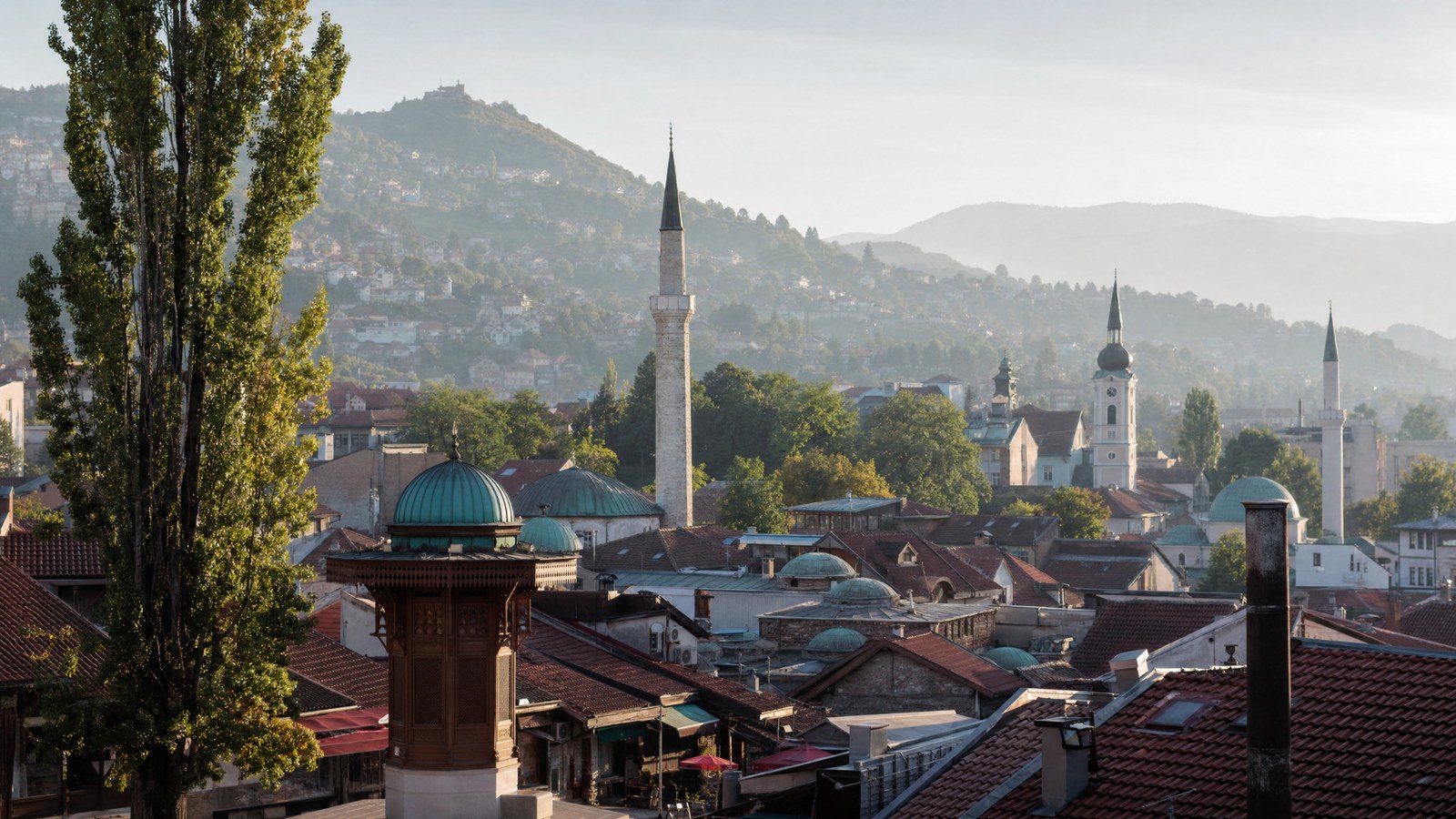
Best for: Treat Sarajevo as the part of Bosnia and Herzegovina where capital history, old bazaar and mountain setting becomes useful for the wider route. Sarajevo is the essential Bosnia and Herzegovina base, with Ottoman lanes, Austro-Hungarian streets, museums, coffee culture and mountains close to the city. It deserves time for recent-history context, religious landmarks, bazaar rhythms and viewpoint routes rather than being treated only as a gateway to Mostar.
Historic landmarks: Baščaršija, Latin Bridge Area, Vijećnica, Trebević Mountain Route, Museum of Sarajevo 1878–1918 and War Childhood Museum should shape the sightseeing plan. Use it as the walking core of the city. Pair with museums for context.
Museums and attractions: Choose the hotel area around Baščaršija Edge, City Centre and Ilidža. Pick the district that makes arrival, evening movement and the first full day easier.
Hotels and stay areas: Sarajevo also needs a food layer. Build meals around ćevapi, burek, Bosnian coffee, baklava, sogan-dolma, Baščaršija, Ferhadija and City Centre and Marijin Dvor so the visitor has a reason to slow down between museums, viewpoints and transfers.
Food and restaurants: Mostar and Travnik and Jajce can extend the stay when there is enough time. The classic southbound heritage pairing. Central Bosnia towns with Ottoman and river context.
Mostar: old bridge, Neretva views and Herzegovina base
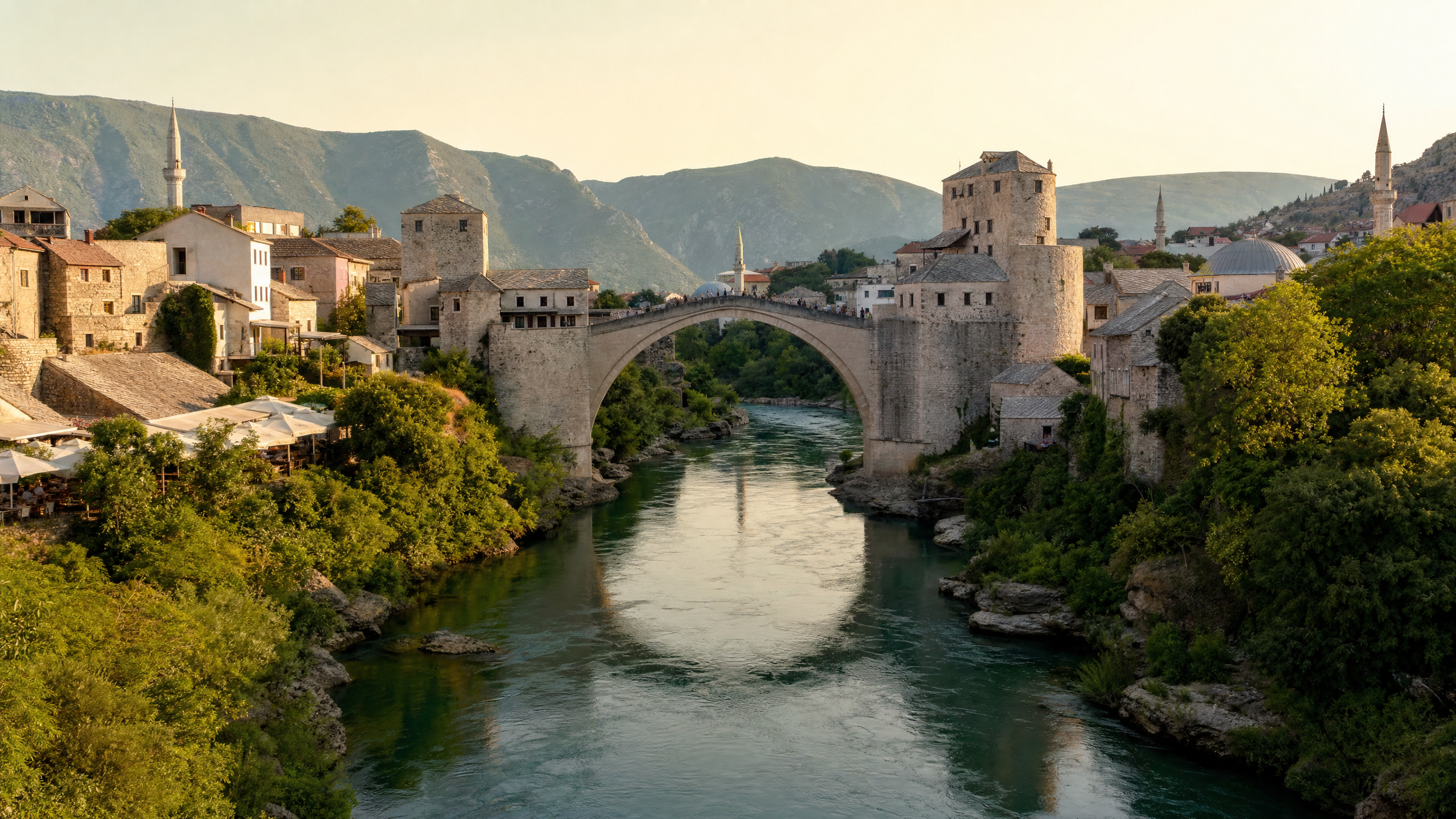
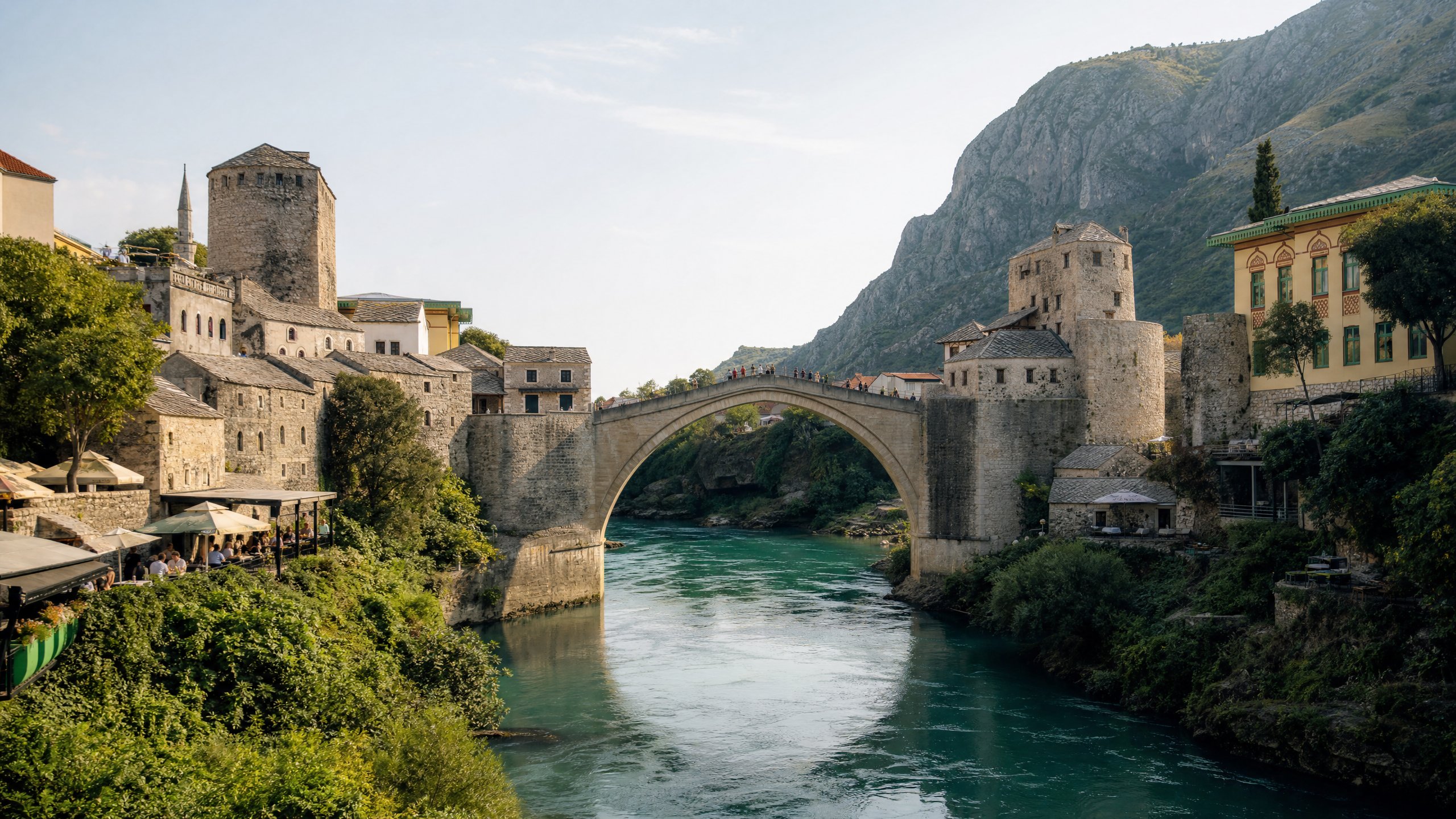
Best for: The value of Mostar is not only the headline sights; it gives the itinerary old bridge, Neretva views and Herzegovina base and a clearer local rhythm. Mostar gives Bosnia and Herzegovina its most recognisable old-town scene, with the Stari Most, stone lanes, river views and access to Herzegovina day routes. The town is strongest when travellers balance bridge views with museum context, respectful recent-history awareness, old bazaar meals and nearby Blagaj or Počitelj.
Historic landmarks: Stari Most, Old Bazaar Lanes, Koski Mehmed Pasha Mosque, Blagaj Tekke Nearby, Old Bridge Museum and War Photo Exhibition Area should shape the sightseeing plan. Visit early or late for calmer views. Wear practical shoes on polished stone.
Museums and attractions: Choose the hotel area around Old Town Edge and Modern Centre. Pick the district that makes arrival, evening movement and the first full day easier.
Hotels and stay areas: Mostar also needs a food layer. Build meals around ćevapi, sogan-dolma, japrak, baklava, Herzegovinian wine, Old Town, Neretva Riverside and Modern Centre so the visitor has a reason to slow down between museums, viewpoints and transfers.
Food and restaurants: Blagaj and Počitelj and Sarajevo can extend the stay when there is enough time. A compact Herzegovina heritage route. The main capital pairing by road or rail.
Jajce and Travnik: central Bosnia forts, waterfalls and Ottoman streets
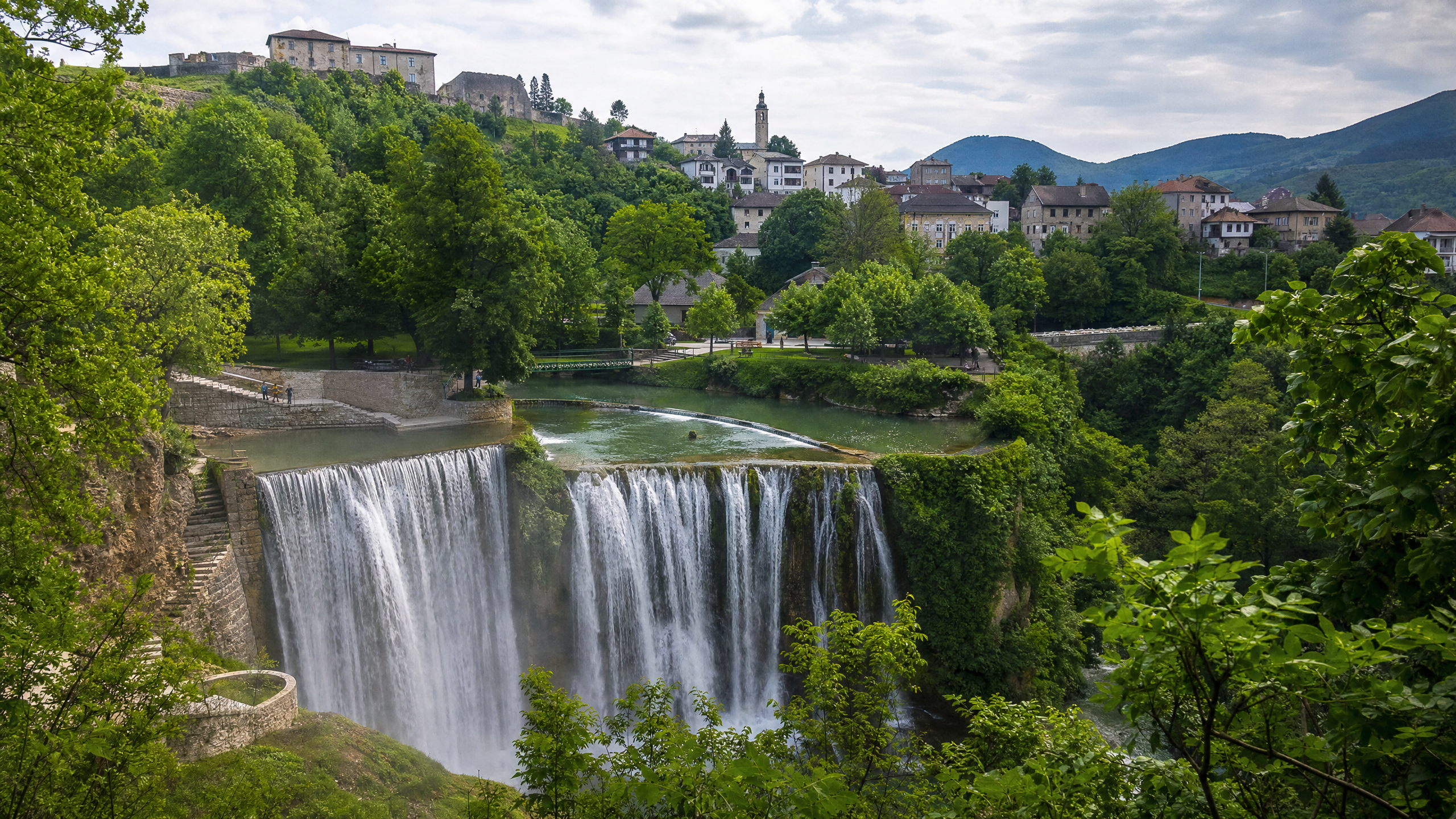
Best for: Treat Jajce and Travnik as the part of Bosnia and Herzegovina where central Bosnia forts, waterfalls and Ottoman streets becomes useful for the wider route. Jajce and Travnik add a quieter central Bosnia route, with forts, waterfalls, Ottoman streets, river scenery and a slower view of the country between Sarajevo and the north. They work best as a deliberate road chapter, giving time for food, viewpoints and layered history away from the main visitor axis.
Historic landmarks: Jajce Waterfall, Jajce Fortress, Travnik Fortress, Plava Voda, AVNOJ Museum in Jajce and Travnik Old Town should shape the sightseeing plan. Use it as the visual anchor of the route. Allow time for the climb and views.
Museums and attractions: Choose the hotel area around Jajce Centre and Travnik Old Town. Pick the district that makes arrival, evening movement and the first full day easier.
Hotels and stay areas: Jajce and Travnik also needs a food layer. Build meals around ćevapi, burek, trout, Bosnian coffee, tufahija, Travnik Old Town, Plava Voda and Jajce Centre so the visitor has a reason to slow down between museums, viewpoints and transfers.
Food and restaurants: Sarajevo and Banja Luka or Una Region can extend the stay when there is enough time. The usual start for central Bosnia routes. A continuation toward northern and western Bosnia.

Banja Luka: northern city, river walks and calmer urban base
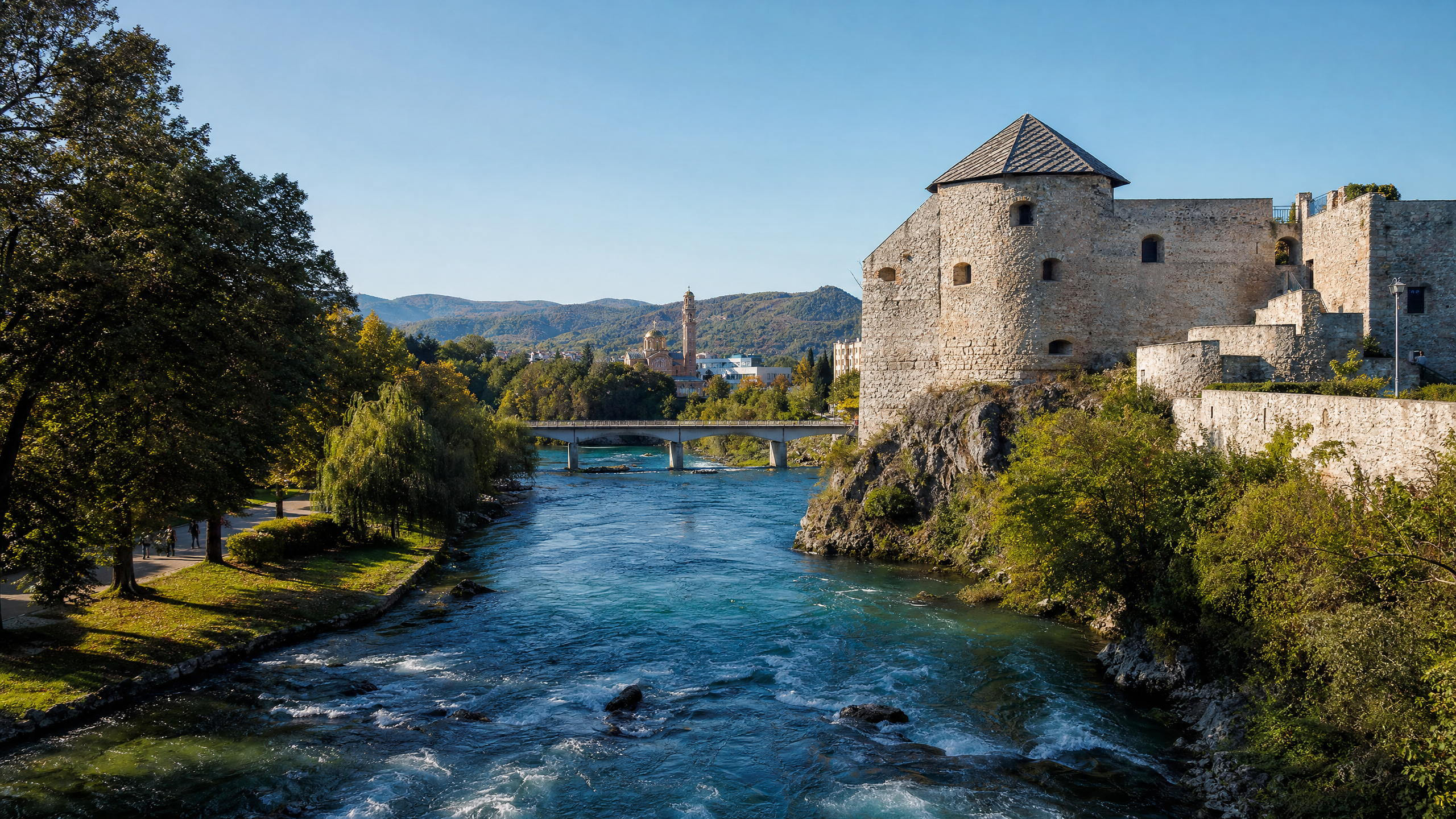
Best for: Banja Luka deserves a proper place in the Bosnia and Herzegovina plan, especially when the trip needs northern city, river walks and calmer urban base. Banja Luka gives the country a calmer northern city base, with river walks, parks, cafes, fortress views and access toward northwest nature routes. It is useful for travellers building a wider north or west route, and its Vrbas setting creates a quieter urban rhythm than Sarajevo or Mostar.
Historic landmarks: Kastel Fortress, Vrbas River, Ferhadija Mosque, Banj Hill Viewpoint and Museum of Republika Srpska should shape the sightseeing plan. Pair with Vrbas River walks. Use it for walking and outdoor cafes.
Museums and attractions: Choose the hotel area around City Centre and River Edge. Pick the district that makes arrival, evening movement and the first full day easier.
Hotels and stay areas: Banja Luka also needs a food layer. Build meals around banjalučki ćevapi, burek, kajmak, grilled meats, rakija, City Centre, Vrbas River Areas and Park and Hill Routes so the visitor has a reason to slow down between museums, viewpoints and transfers.
Food and restaurants: Jajce and Una National Park Region can extend the stay when there is enough time. A central Bosnia route connection. A nature extension farther west.
Una National Park Region: waterfalls, river scenery and northwest nature planning
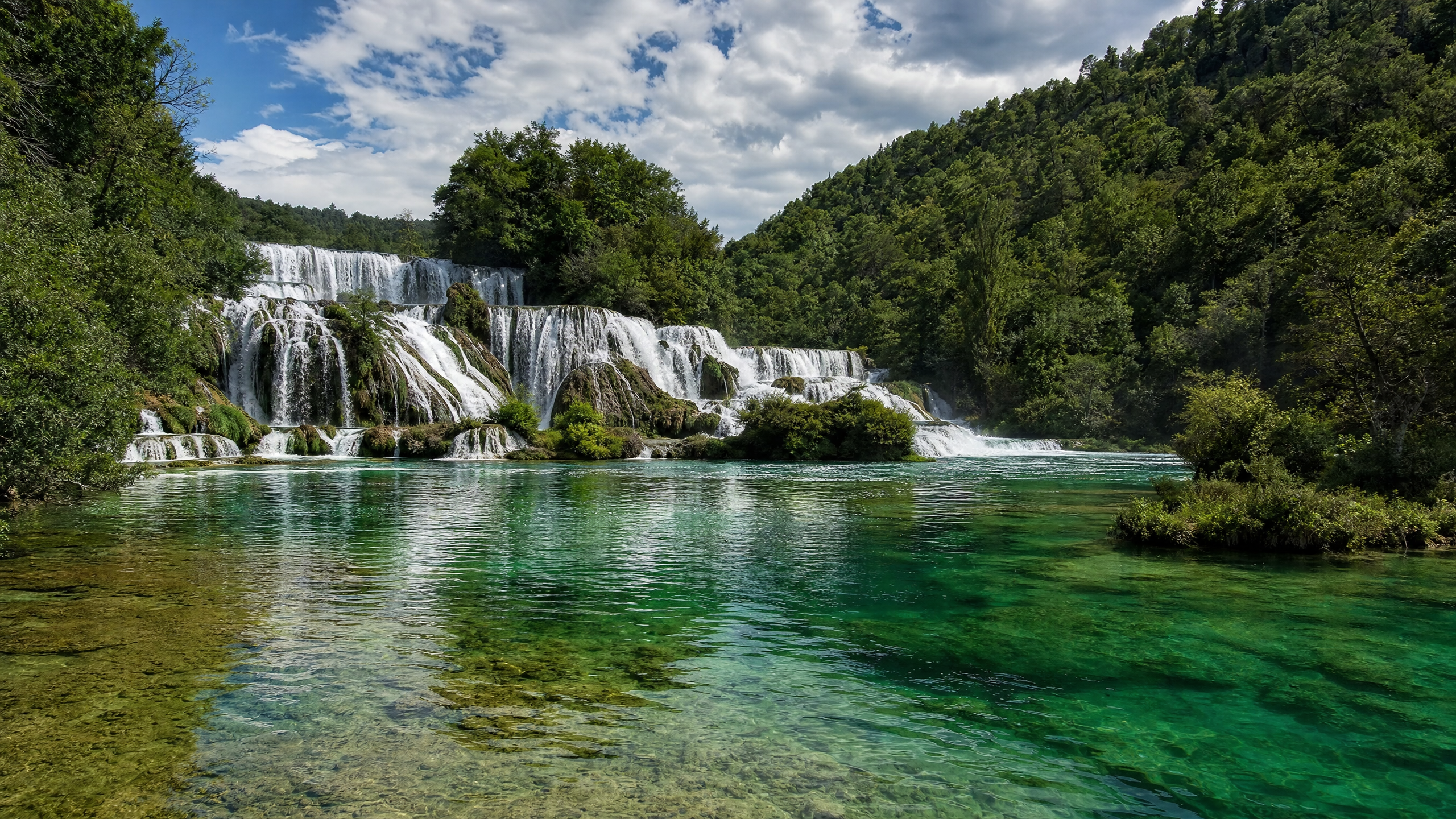
Best for: Una National Park Region works better as a lived-in stop than as a fast photo pin, with waterfalls, river scenery and northwest nature planning shaping the day. The Una region is the most distinctive northwest nature route in Bosnia and Herzegovina, with waterfalls, clear rivers and small towns that need planned transport and seasonal awareness. It rewards travellers who treat Bihac, park access, rafting conditions and road time as a real nature stay rather than a quick detour.
Historic landmarks: Štrbački Buk, Martin Brod, Bihać, Una River Routes, Bihać Old Town Context and River Community Culture should shape the sightseeing plan. Use clear directions and allow enough time. Check road and access conditions.
Museums and attractions: Choose the hotel area around Bihać and Riverside Lodges. Pick the district that makes arrival, evening movement and the first full day easier.
Hotels and stay areas: Una National Park Region also needs a food layer. Build meals around trout, ćevapi, burek, kajmak, Bosnian coffee, Bihać, Riverside Restaurants and Park Villages so the visitor has a reason to slow down between museums, viewpoints and transfers.
Food and restaurants: Banja Luka and Croatia Border Routes can extend the stay when there is enough time. A northern city pairing for longer routes. A possible regional continuation with planning.
Food, Culture and Route Ideas for Bosnia and Herzegovina
Food route: Coffee rituals, pies, grilled meats, sweets and long cafe pauses help define the public rhythm. Mosques, churches, synagogues, old quarters and civic buildings sit close together in key cities. Roads, borders, weather and seasonal river conditions can make short distances feel longer. This is where food, culture and route planning should work together.
Food, wine and restaurants: Build meals around ćevapi, burek, Bosnian coffee, baklava, sogan-dolma, japrak and Herzegovinian wine and keep them close to Baščaršija, Ferhadija and City Centre, Marijin Dvor, Old Town and Neretva Riverside.
Popular experiences: Use Sarajevo and Mostar as the main bases, then add one central or nature route. Add Jajce, Travnik or Blagaj when road time supports slower stops. Keep the route disciplined: one clear hotel area, one strong regional layer and one food or culture experience will usually feel better than trying to touch every possible stop.
Planning rule: Use bookings in a clean order: choose the hotel area first, then add attraction tickets, food tours, guided days and local experiences where they make the journey easier, richer and more realistic.