Bermuda Travel, Structured Around Hamilton, Pink Beaches and Island Elegance
Plan Bermuda through Hamilton, St George’s, Southampton, pink-sand beaches, coves, sailing, golf, heritage sites, hotels, flights and compact island routes.
Start Planning BermudaBermuda Travel Guide: Routes, Stay Bases, Culture and Experiences
Trip shape: Plan Bermuda by deciding what the visitor should feel at the end of each day. Use Hamilton, St George’s, Royal Naval Dockyard and South Shore Beaches to make the trip practical, then use Pink-Sand Beaches, British Overseas Territory Island Routes, Harbour and Heritage Routes and First Bermuda Stay to give it texture, food, landscape and local rhythm.
Best for: Pink-Sand Beaches, British Overseas Territory Island Routes, Harbour and Heritage Routes and First Bermuda Stay give Bermuda its deeper travel layer. Some visitors need one main city and one day trip; others should slow down, split the journey and give the strongest region its own nights.
Planning rule: Start with arrival logic, season and the first overnight point, then add the experiences that genuinely deserve advance planning. Museums, landmarks, guided tours, food walks, local neighbourhoods and coastal or countryside days should be grouped by geography and timing.
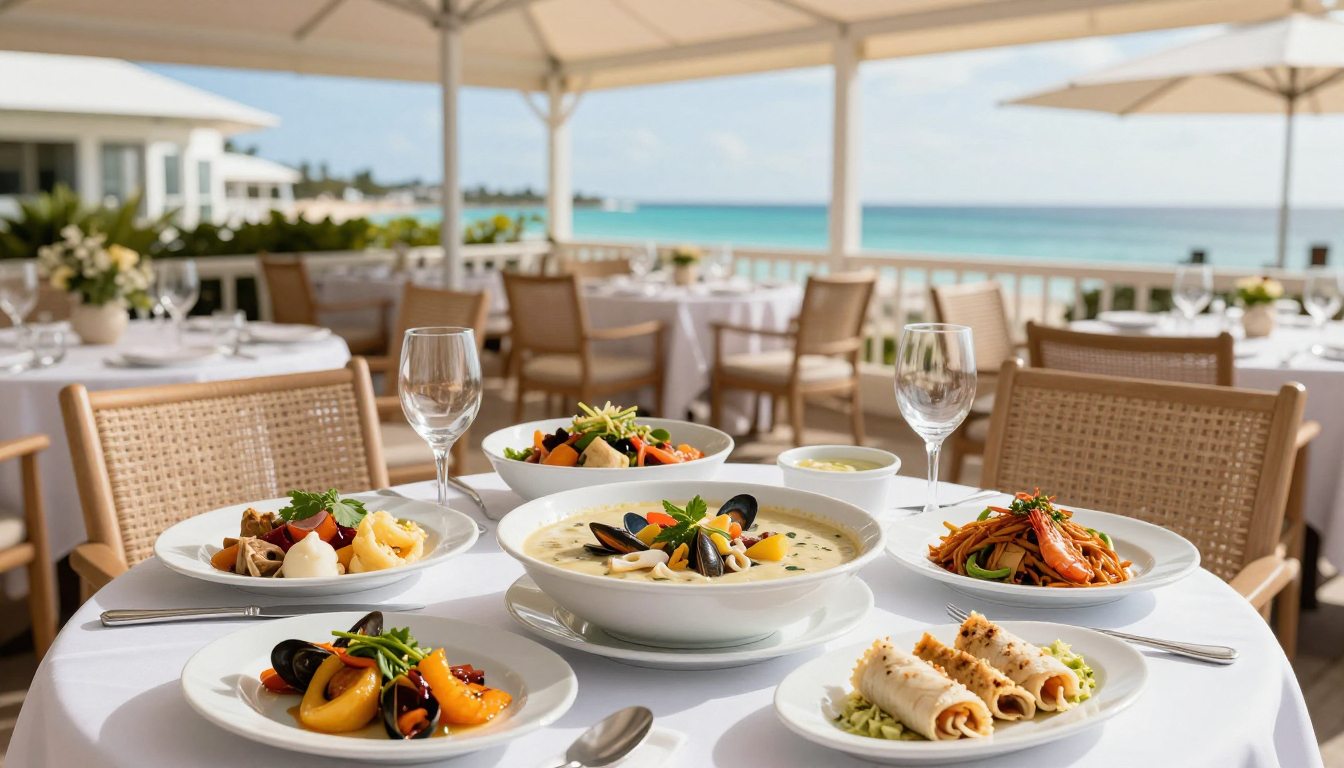
Route logic: Bermudian fish chowder, codfish breakfast, rum cake and seafood are reliable cultural touchpoints. Water movement links towns, beaches and historic districts across a compact island. Keep food close to the chosen hotel area where possible: the best meals often come from market streets, harbour areas, old-town restaurants and neighbourhoods already inside the day’s route.
Hamilton: harbour capital, dining and ferry base
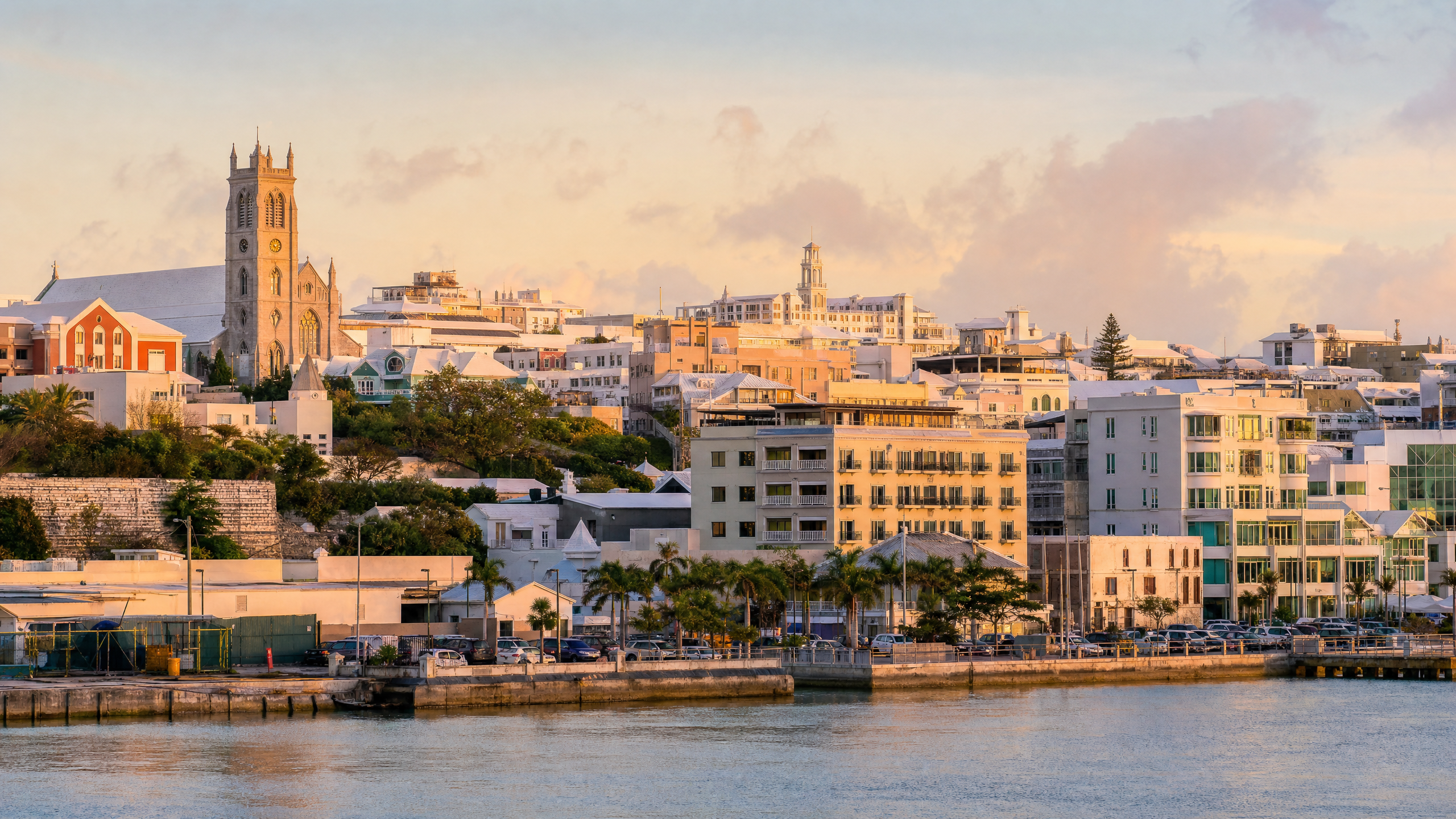
Best for: Treat Hamilton as the part of Bermuda where harbour capital, dining and ferry base becomes useful for the wider route. Hamilton is the most practical central base for Bermuda because it combines ferry links, harbour views, restaurants, galleries and easy movement toward beaches or historic towns. It is the right choice when evenings, transport and day planning need to feel straightforward.
Historic landmarks: Front Street, Bermuda National Gallery, Cathedral of the Most Holy Trinity, Hamilton Harbour Ferry Routes and Bermuda Historical Society Museum should shape the sightseeing plan. Use it for evenings and ferry access. Good for a culture break between outdoor days.
Museums and attractions: Choose the hotel area around Central Hamilton, Hamilton Harbour Hotels and Nearby South Shore. Pick the district that makes arrival, evening movement and the first full day easier.
Hotels and stay areas: Hamilton also needs a food layer. Build meals around fish chowder, codfish breakfast, fish sandwich, rum cake, wahoo, Front Street, City Side Streets and Hotel Districts Nearby so the visitor has a reason to slow down between museums, viewpoints and transfers.
Food and restaurants: South Shore Beaches and Royal Naval Dockyard can extend the stay when there is enough time. A short transfer route for Bermuda’s best-known beach line. A ferry-linked west-end heritage and harbour route.




St George’s: UNESCO town, forts and east-end history
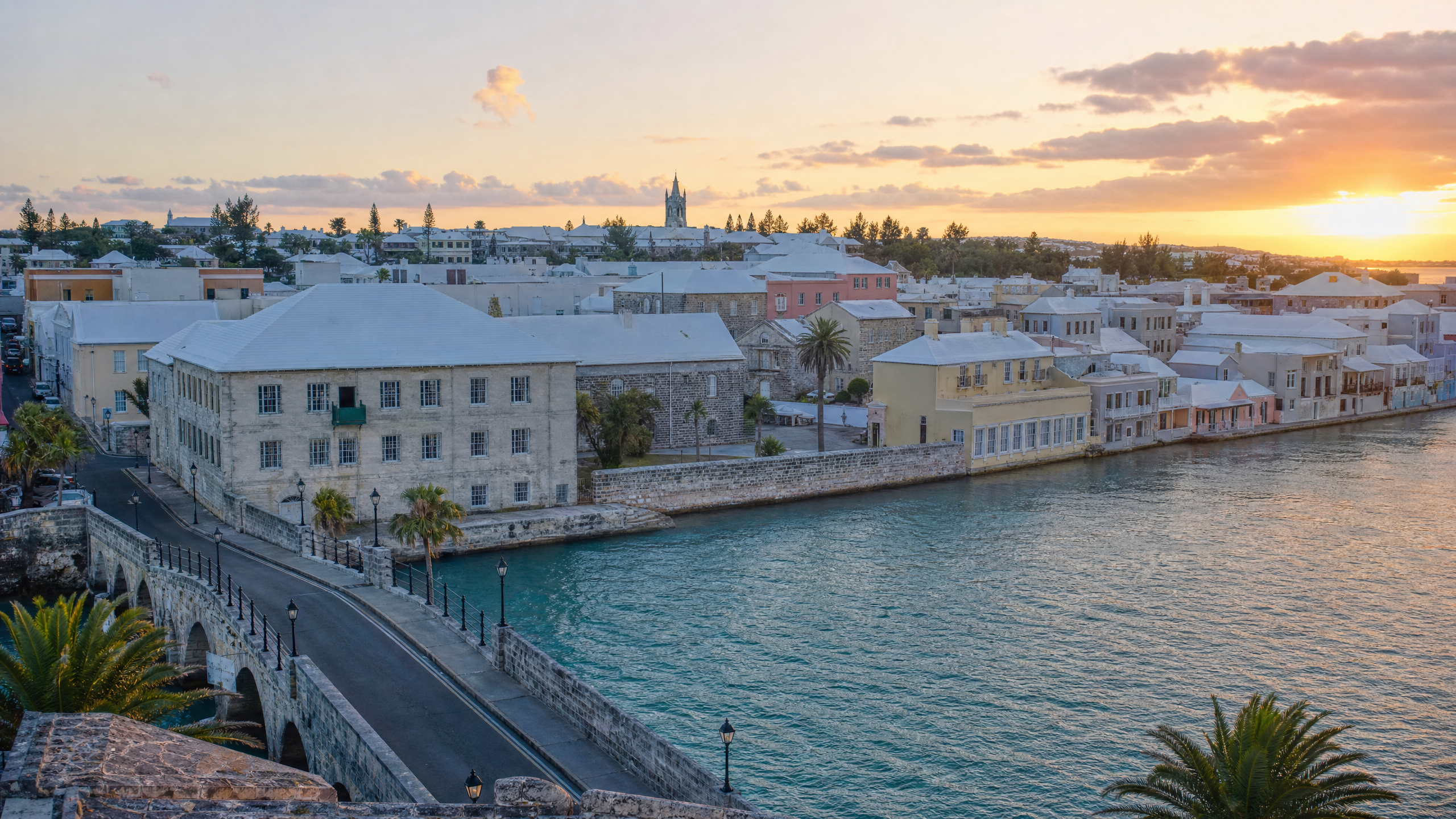
Best for: Use St George’s when the Bermuda route needs UNESCO town, forts and east-end history. St George’s gives Bermuda its clearest old-town experience, with narrow lanes, churches, forts and nearby beaches that reward a slower east-end day. It works best when history, harbour walks and one nearby swim stop are planned as a single unhurried chapter.
Historic landmarks: Town of St George, St Peter’s Church, Fort St Catherine, Tobacco Bay, St George’s World Heritage Centre and Fort St Catherine Museum should shape the sightseeing plan. Walk slowly and keep time for side streets. Pair with the town centre and nearby museums.
Museums and attractions: Choose the hotel area around St George’s Town and East End Beaches. Pick the district that makes arrival, evening movement and the first full day easier.
Hotels and stay areas: St George’s also needs a food layer. Build meals around fish sandwich, fish chowder, codfish cakes, rum cake, seafood platters, King’s Square Area, Waterfront Lanes and Tobacco Bay Area so the visitor has a reason to slow down between museums, viewpoints and transfers.
Food and restaurants: Tobacco Bay and Fort St Catherine and Hamilton can extend the stay when there is enough time. An easy east-end beach and fort pairing. A central dining and ferry contrast for a longer stay.


Royal Naval Dockyard: west-end ferries, maritime museums and family stops
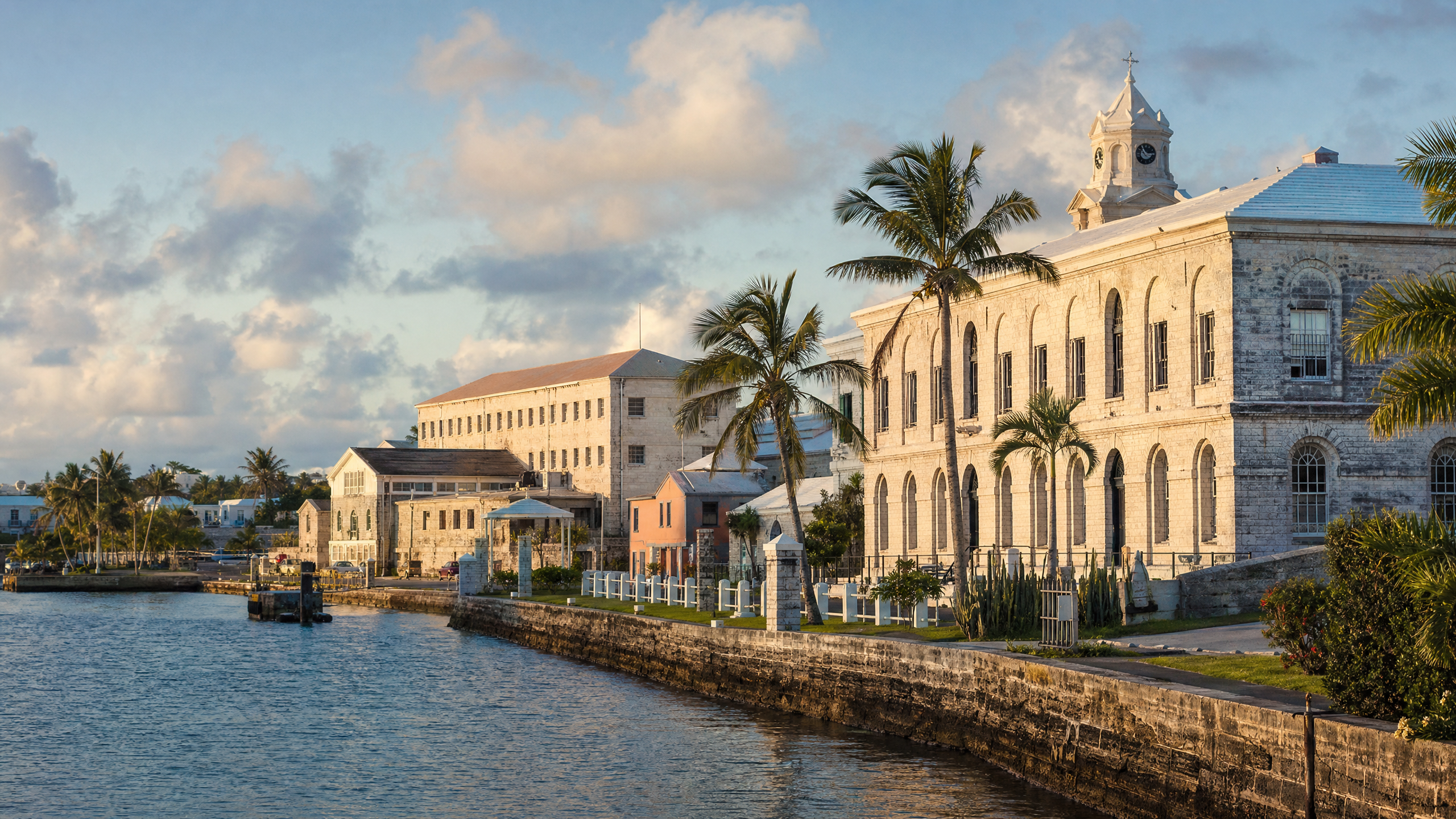
Best for: Use Royal Naval Dockyard when the Bermuda route needs west-end ferries, maritime museums and family stops. The Royal Naval Dockyard is Bermuda’s west-end heritage and cruise-area hub, useful for maritime museums, ferry access, family stops and a different island perspective. It is especially helpful when a route needs structured attractions without losing the island’s sea-facing character.
Historic landmarks: National Museum of Bermuda, Clocktower Mall, Dockyard Waterfront, Snorkel Park Area and Dockyard Craft Studios should shape the sightseeing plan. Allow more time than a quick cruise-stop walk. Useful for casual indoor time.
Museums and attractions: Choose the hotel area around Dockyard Area and Somerset and West End. Pick the district that makes arrival, evening movement and the first full day easier.
Hotels and stay areas: Royal Naval Dockyard also needs a food layer. Build meals around fish sandwich, fish chowder, rum cake, grilled fish, Bermudian ginger beer, Dockyard Waterfront, Clocktower Area and West End Villages so the visitor has a reason to slow down between museums, viewpoints and transfers.
Food and restaurants: Hamilton by Ferry and Somerset and Railway Trail can extend the stay when there is enough time. A scenic ferry route links the west end to the capital. A quieter west-end extension for walking and views.


South Shore Beaches: pink sand coves, cliff paths and resort bases
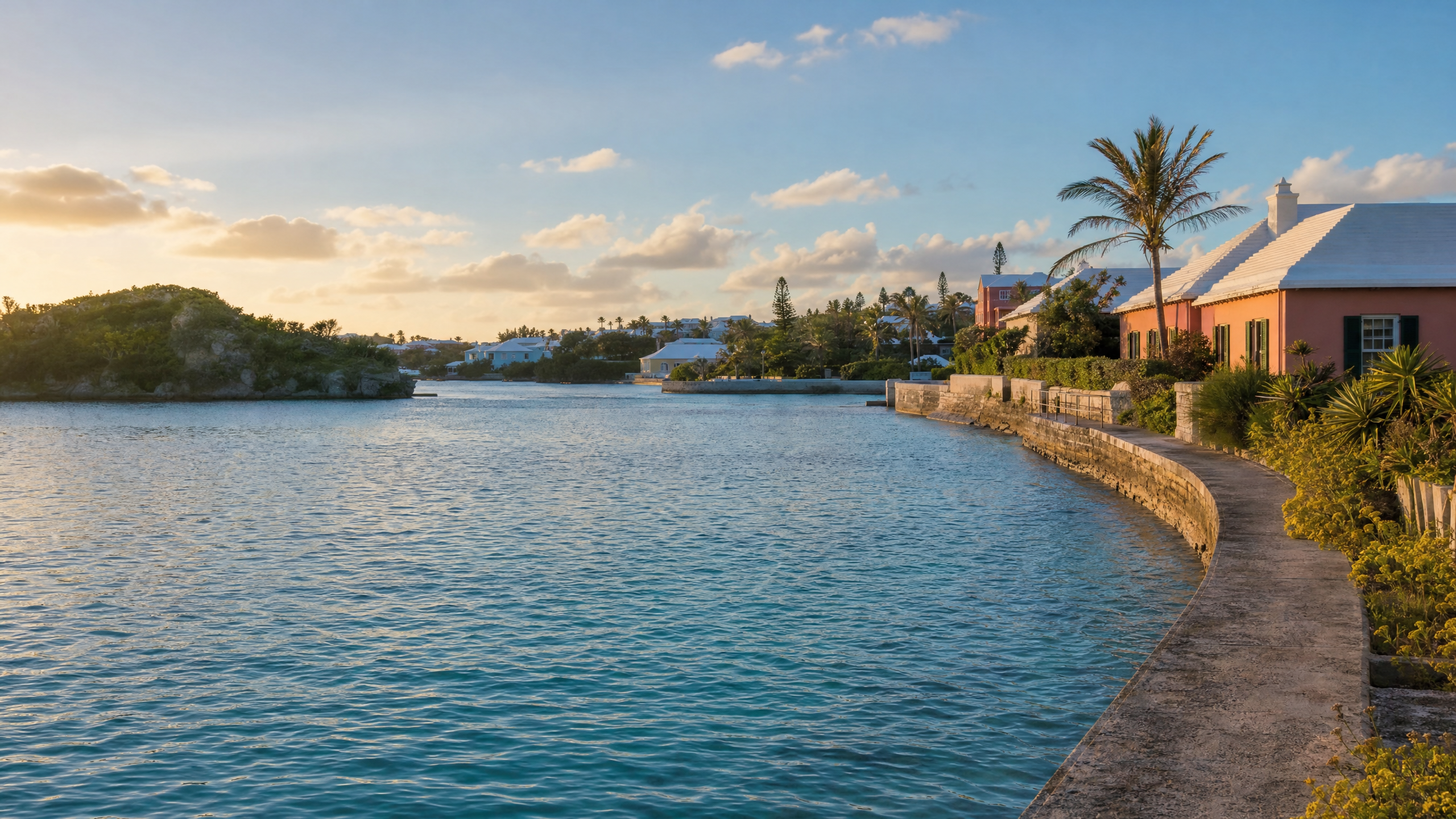
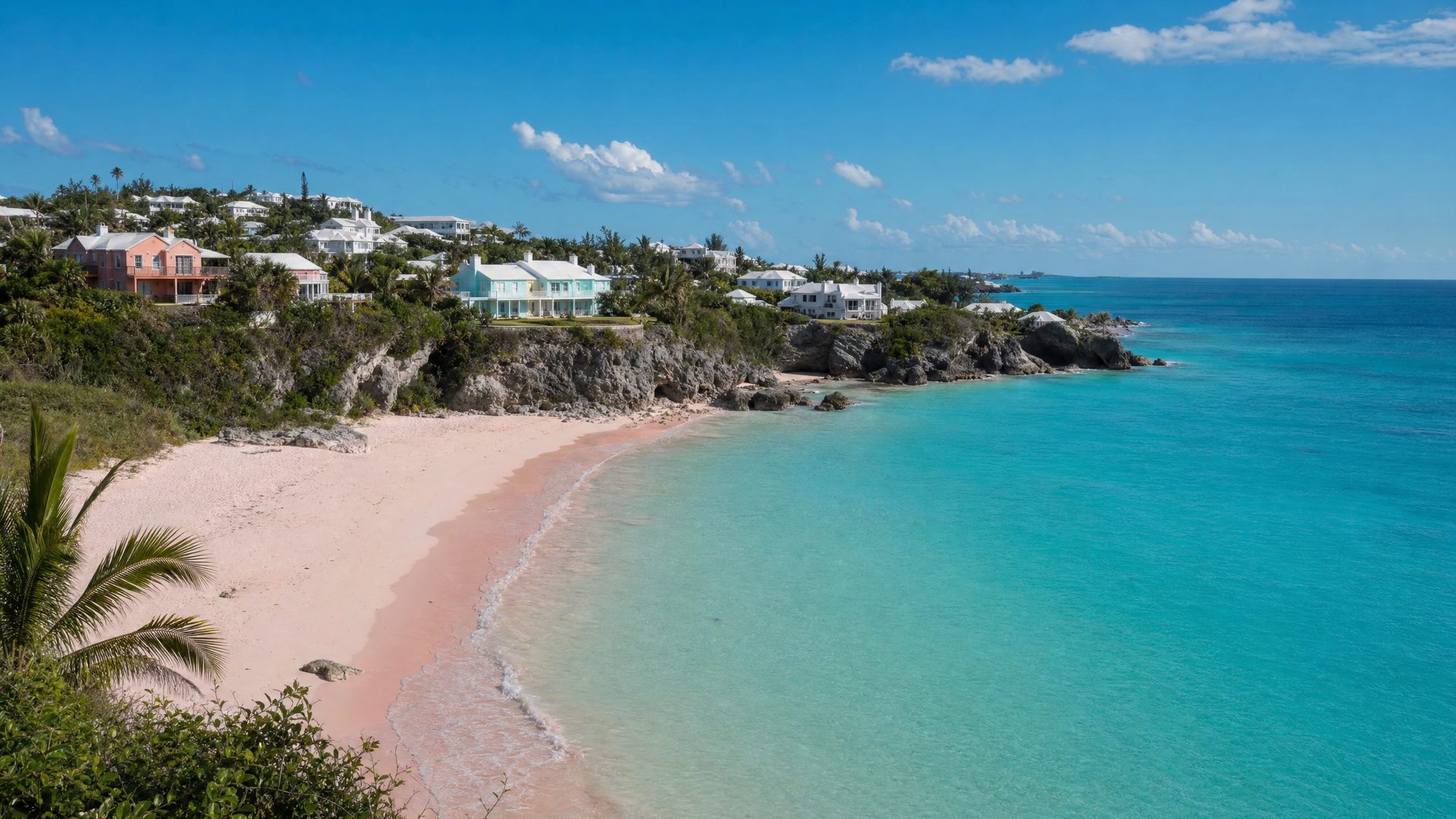
Best for: South Shore Beaches deserves a proper place in the Bermuda plan, especially when the trip needs pink sand coves, cliff paths and resort bases. The South Shore is the classic Bermuda beach route, with Horseshoe Bay, smaller coves, limestone cliffs and resort areas that deserve unhurried time. It should be planned around beach access, weather, bus or taxi movement and one or two coves rather than a rushed sweep.
Historic landmarks: Horseshoe Bay, Warwick Long Bay, Jobson’s Cove, Gibbs Hill Lighthouse and Southampton Parish Churches should shape the sightseeing plan. Arrive early in busy periods and watch sea conditions. Good for walks when conditions are settled.
Museums and attractions: Choose the hotel area around Southampton, Warwick and Paget. Pick the district that makes arrival, evening movement and the first full day easier.
Hotels and stay areas: South Shore Beaches also needs a food layer. Build meals around fish sandwich, wahoo, fish chowder, rum cake, codfish breakfast, Southampton Resort Areas, Warwick and Paget and Beach Cafes and Nearby Hotels so the visitor has a reason to slow down between museums, viewpoints and transfers.
Food and restaurants: Hamilton and St George’s can extend the stay when there is enough time. A short central route for dining and ferry links. A longer east-end heritage contrast.

Food, Culture and Route Ideas for Bermuda
Food route: Bermudian fish chowder, codfish breakfast, rum cake and seafood are reliable cultural touchpoints. Water movement links towns, beaches and historic districts across a compact island. Architecture, cricket, churches, forts and maritime traditions give Bermuda a distinct identity. This is where food, culture and route planning should work together.
Food, wine and restaurants: Build meals around fish chowder, codfish breakfast, fish sandwich, rum cake, wahoo, codfish cakes and seafood platters and keep them close to Front Street, City Side Streets, Hotel Districts Nearby, King’s Square Area and Waterfront Lanes.
Popular experiences: Use Hamilton or the central south shore for balanced access to beaches, ferries and dining. Pair St George’s with the Royal Naval Dockyard for a clear east-west maritime story. Keep the route disciplined: one clear hotel area, one strong regional layer and one food or culture experience will usually feel better than trying to touch every possible stop.
Planning rule: Use bookings in a clean order: choose the hotel area first, then add attraction tickets, food tours, guided days and local experiences where they make the journey easier, richer and more realistic.