Barbados Travel, Structured Around Beaches, Bridgetown and Island Rhythm
Plan Barbados through Bridgetown, Holetown, Bathsheba, west-coast beaches, rum heritage, food, resorts, hotels, flights, boat trips and compact island routes.
Start Planning BarbadosBarbados Travel Guide: Routes, Stay Bases, Culture and Experiences
Trip shape: Use Barbados as a travel story with chapters, not as a checklist. Keep Bridgetown, West Coast, South Coast and Bathsheba and East Coast close to the arrival logic, then decide whether West Coast, Bridgetown and Atlantic coast routes, Food and Heritage Routes, Nature, Coast and Viewpoints and First Barbados Route should be the second layer or a separate journey.
Best for: West Coast, Bridgetown and Atlantic coast routes, Food and Heritage Routes, Nature, Coast and Viewpoints and First Barbados Route give Barbados its deeper travel layer. Some visitors need one main city and one day trip; others should slow down, split the journey and give the strongest region its own nights.
Planning rule: Start with arrival logic, season and the first overnight point, then add the experiences that genuinely deserve advance planning. Museums, landmarks, guided tours, food walks, local neighbourhoods and coastal or countryside days should be grouped by geography and timing.
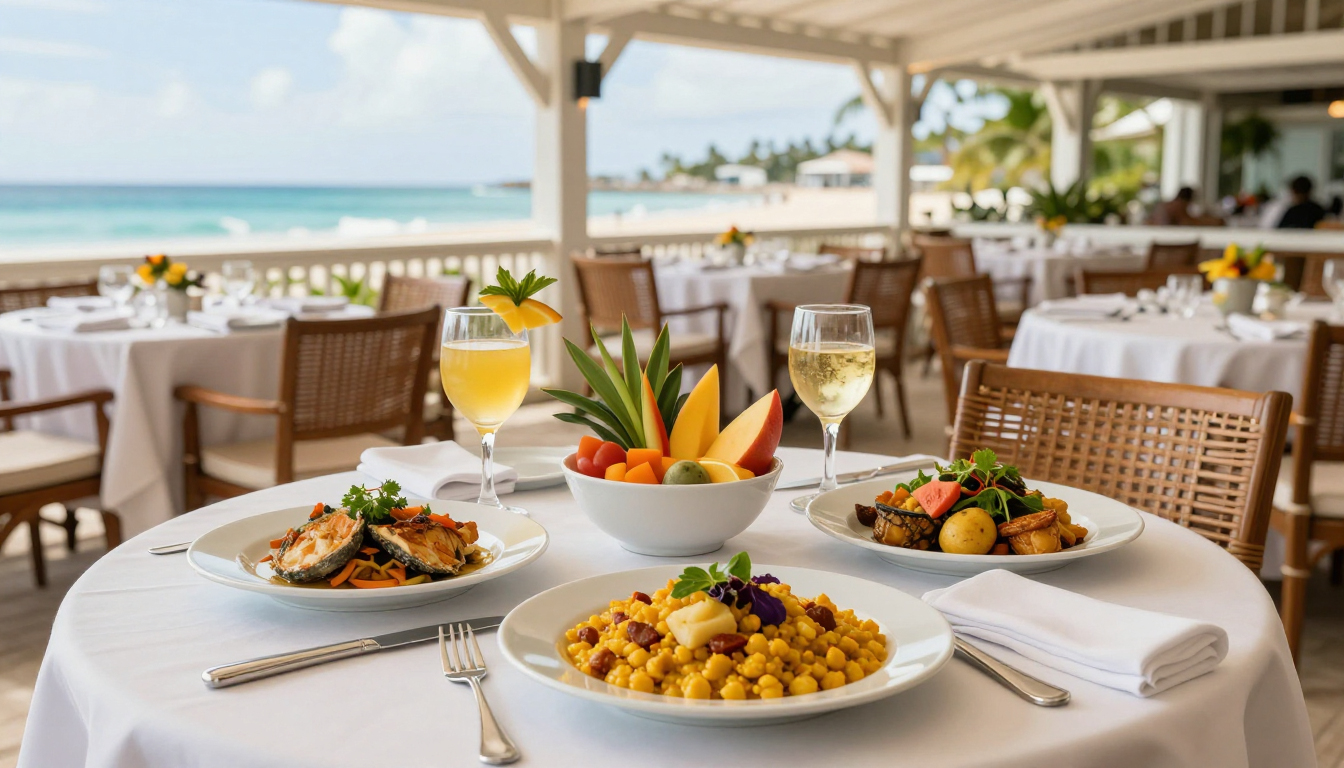
Route logic: flying fish, cou-cou, cutters, fish cakes, macaroni pie and rum are central to local flavour. Rum heritage, beach bars and cricket references are woven into the island’s rhythm. Keep food close to the chosen hotel area where possible: the best meals often come from market streets, harbour areas, old-town restaurants and neighbourhoods already inside the day’s route.

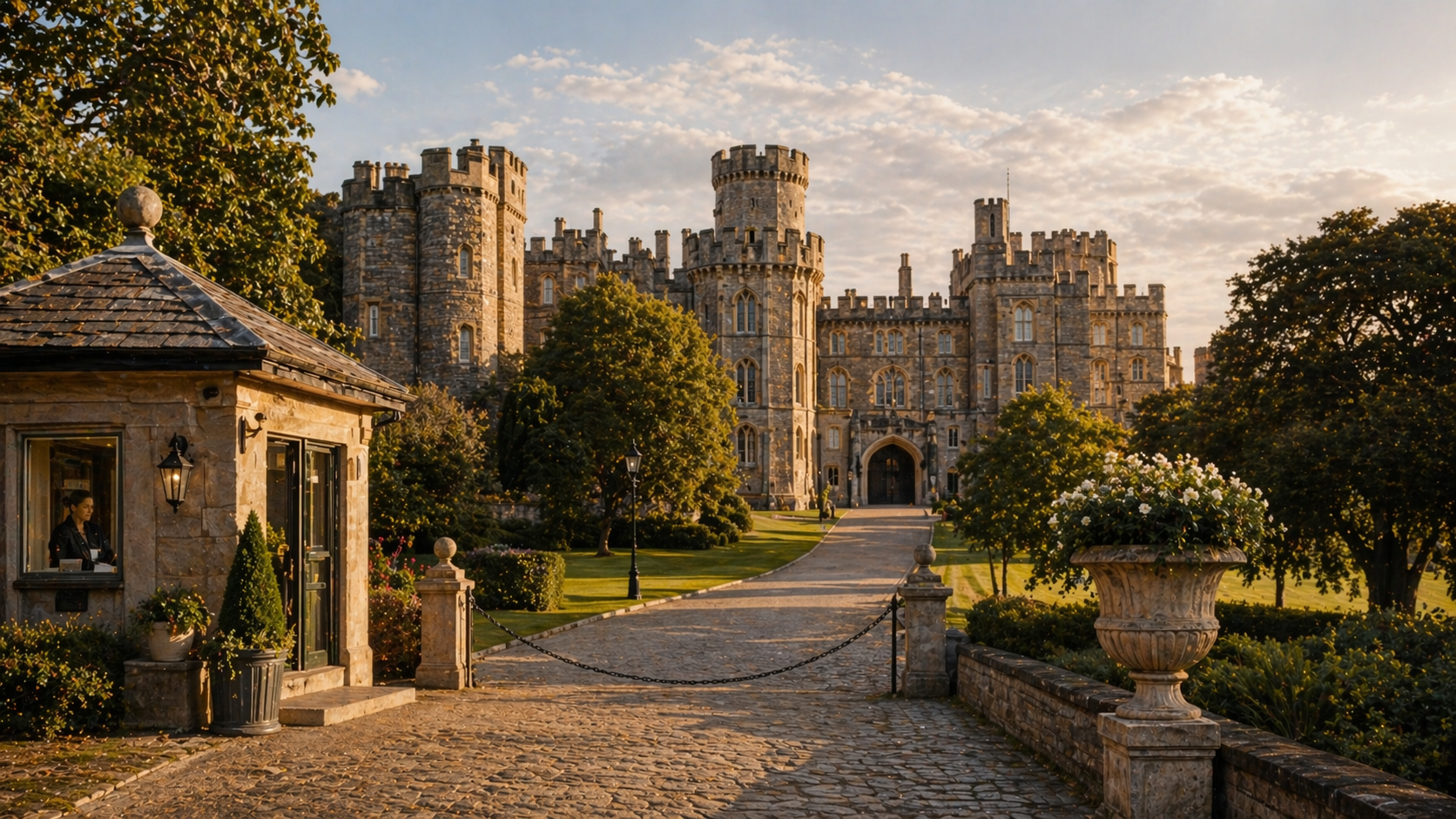
Bridgetown: capital heritage, harbour and island context
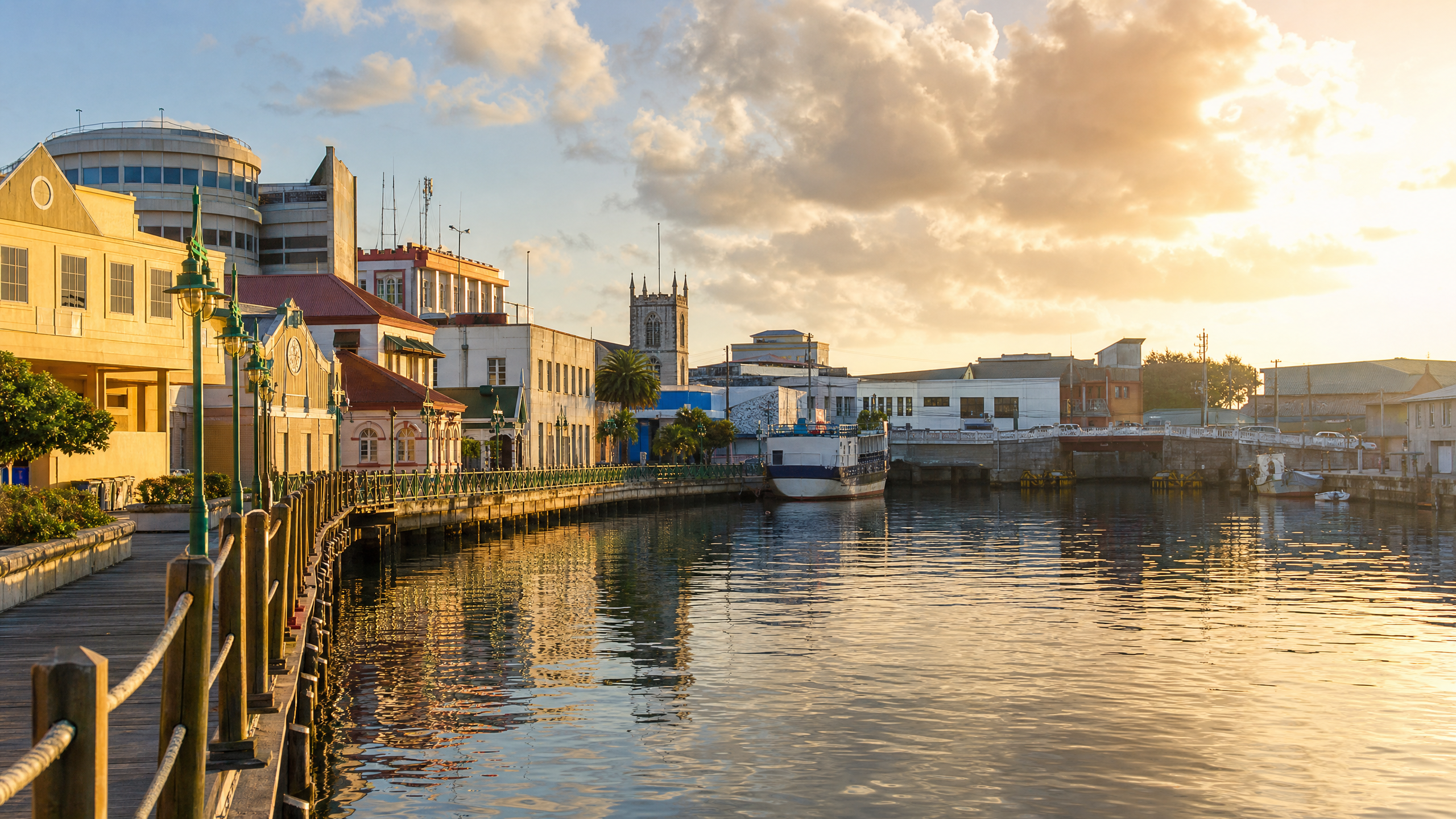
Best for: Bridgetown works better as a lived-in stop than as a fast photo pin, with capital heritage, harbour and island context shaping the day. Bridgetown gives Barbados its heritage and civic chapter, with historic streets, harbour context, markets and nearby beaches that help balance resort days with island history. It works best as a focused day rather than the whole stay, paired with Garrison context and Carlisle Bay.
Historic landmarks: Historic Bridgetown and Garrison Area, Parliament Buildings Area, Carlisle Bay, Cheapside Market, Barbados Museum and Historical Society and George Washington House should shape the sightseeing plan. Pair city time with the Garrison rather than rushing both. Best visited as part of a daytime walk.
Museums and attractions: Choose the hotel area around Carlisle Bay and Garrison and Central Bridgetown. Pick the district that makes arrival, evening movement and the first full day easier.
Hotels and stay areas: Bridgetown also needs a food layer. Build meals around flying fish, cou-cou, fish cakes, cutters, macaroni pie, rum punch, Bridgetown Centre and Carlisle Bay so the visitor has a reason to slow down between museums, viewpoints and transfers.
Food and restaurants: South Coast and West Coast can extend the stay when there is enough time. A lively dining and beach extension close by. A calmer beach and premium-stay route north of the capital.




West Coast: calm beaches, polished hotels and sunset dining
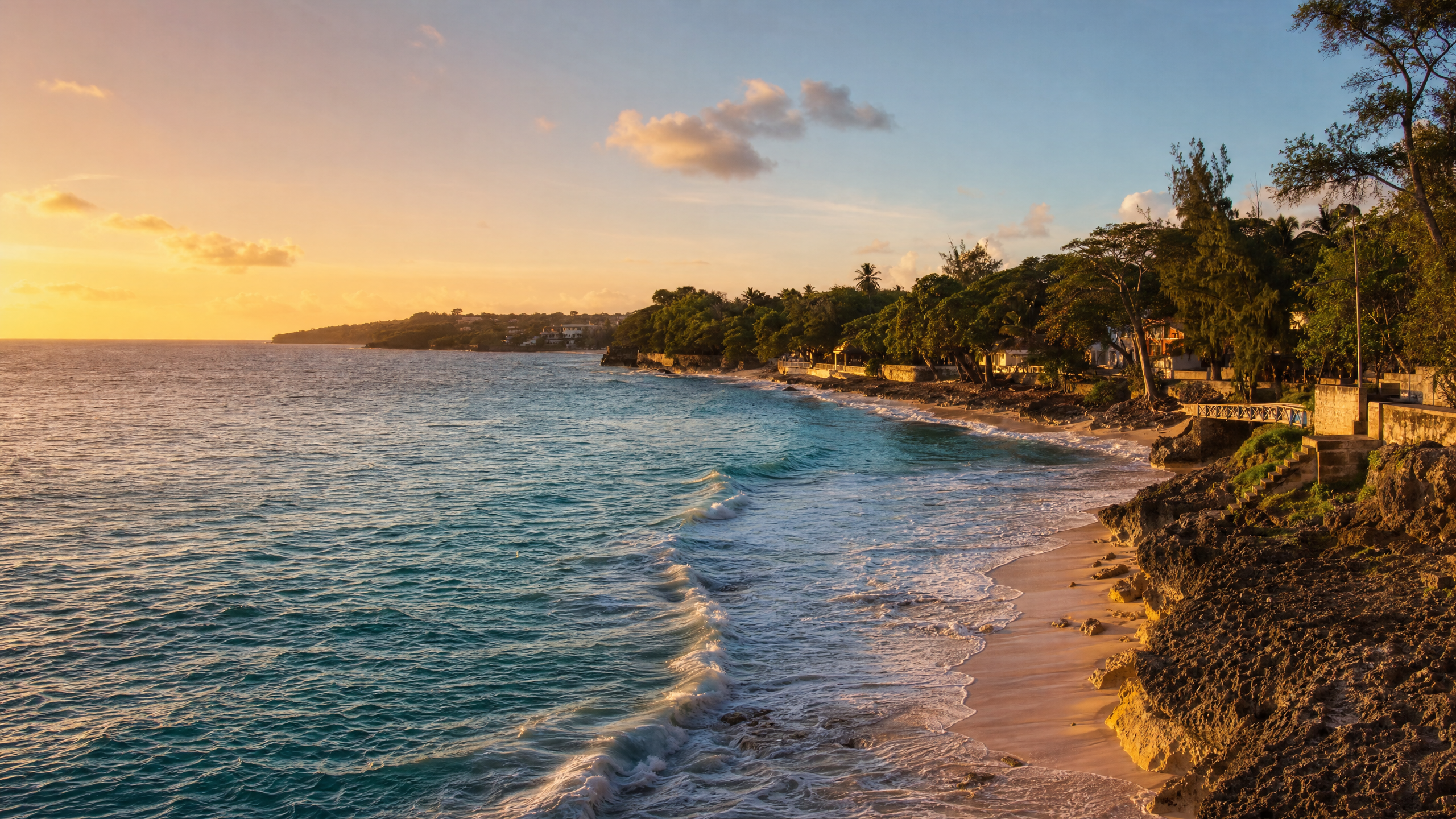
Best for: For West Coast, the first decision is pace: give the city enough room to show its calm beaches, polished hotels and sunset dining. The West Coast is Barbados at its calmest and most polished, with sheltered beaches, premium hotels, sunset dining and easy access to Holetown and Speightstown. It suits travellers who want refined beach days, quieter lunches and simple movement between sea, hotel and dinner.
Historic landmarks: Holetown, Speightstown, Paynes Bay and Sandy Lane Area, St Nicholas Abbey Route, Arlington House Museum and Rum Heritage Routes should shape the sightseeing plan. Good as an easy base for first visits. Useful for heritage and slower lunches.
Museums and attractions: Choose the hotel area around Holetown, Paynes Bay and Speightstown. Pick the district that makes arrival, evening movement and the first full day easier.
Hotels and stay areas: West Coast also needs a food layer. Build meals around flying fish, seafood, fish cakes, rum punch, cou-cou, Bajan cutters, Holetown and Speightstown so the visitor has a reason to slow down between museums, viewpoints and transfers.
Food and restaurants: Bridgetown and Bathsheba and East Coast can extend the stay when there is enough time. A heritage and city day route. A scenic contrast requiring a dedicated drive.

South Coast: lively beaches, food strips and easier-value stays
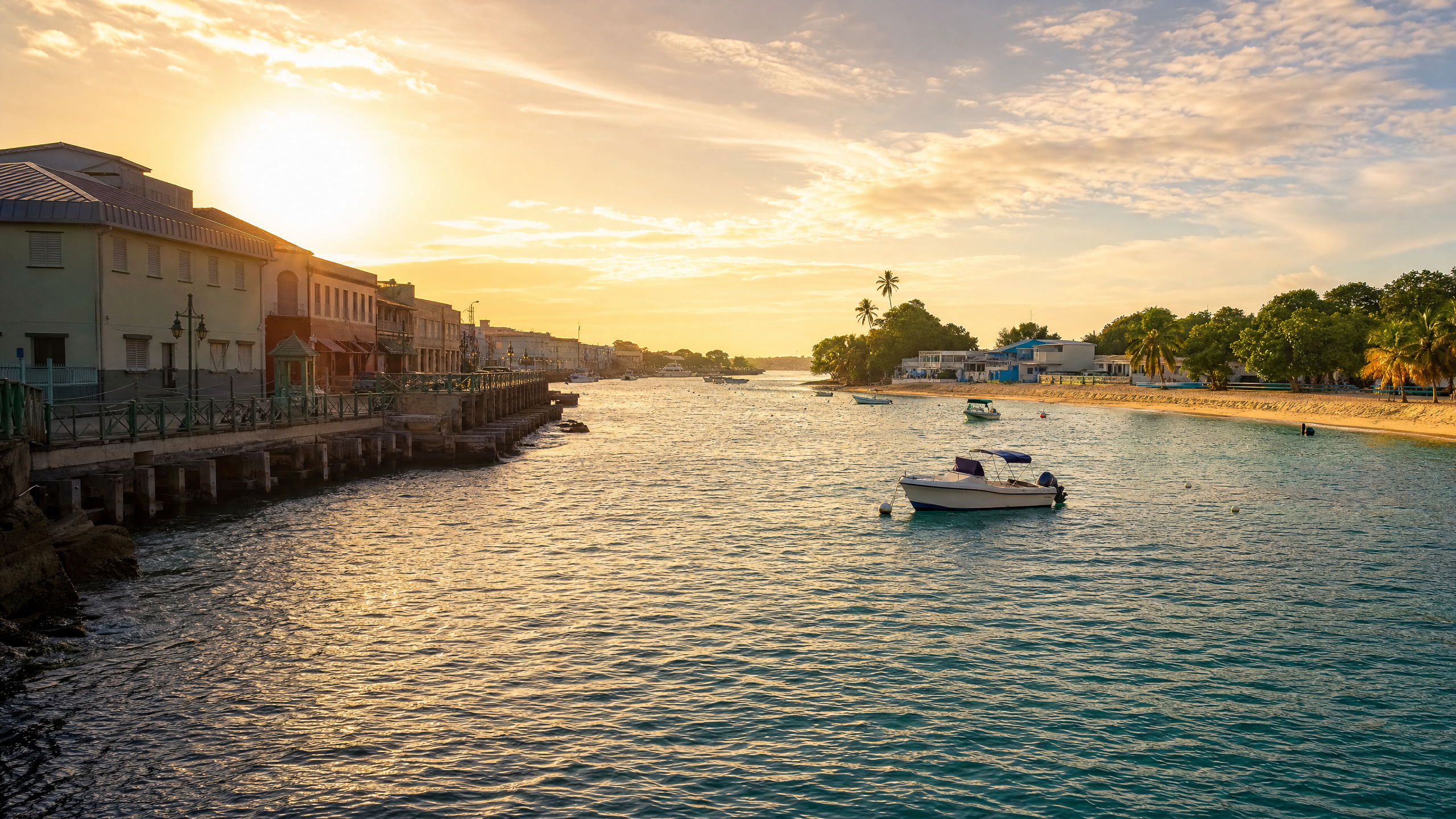
Best for: Use South Coast when the Barbados route needs lively beaches, food strips and easier-value stays. The South Coast is Barbados at its liveliest, with beach hotels, restaurants, nightlife pockets, surf-friendly areas and quick access to Bridgetown and the airport. It works well when visitors want food choice, beach convenience and evenings that do not need long transfers.
Historic landmarks: St Lawrence Gap, Dover Beach, Oistins Fish Fry Area, Miami Beach and Enterprise Area, Oistins Fish Fry Culture and Surf and Beach Community should shape the sightseeing plan. Choose nearby stays if evening convenience matters. Useful for first-time south-coast stays.
Museums and attractions: Choose the hotel area around St Lawrence Gap, Dover Beach and Rockley. Pick the district that makes arrival, evening movement and the first full day easier.
Hotels and stay areas: South Coast also needs a food layer. Build meals around fried fish, fish cakes, macaroni pie, cutters, rum punch, grilled seafood, St Lawrence Gap and Oistins so the visitor has a reason to slow down between museums, viewpoints and transfers.
Food and restaurants: Bridgetown and Airport and East Coast can extend the stay when there is enough time. A quick heritage and market route. Useful for arrival nights and scenic island drives.



Bathsheba and East Coast: Atlantic scenery, surf views and quiet island contrast
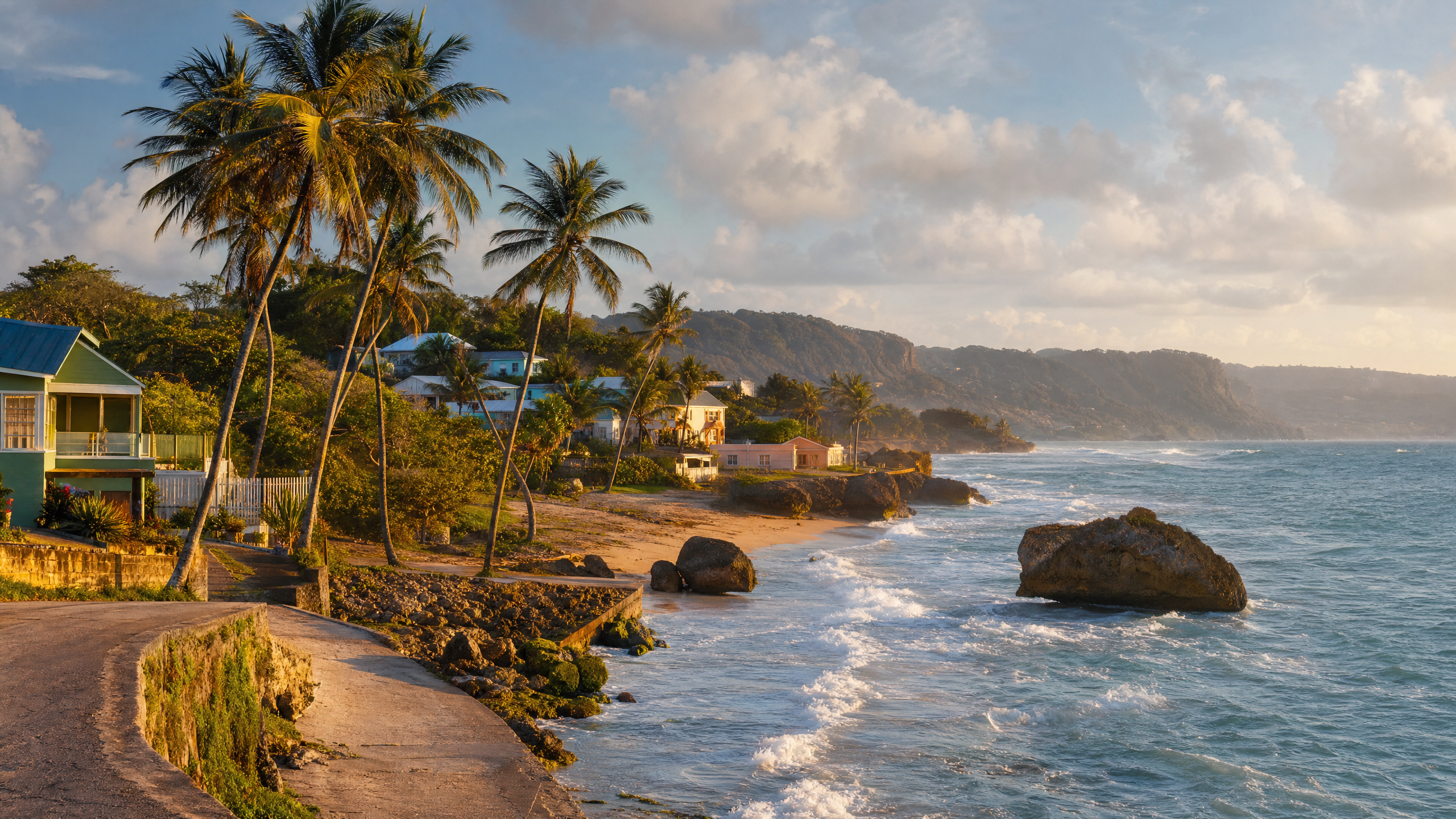
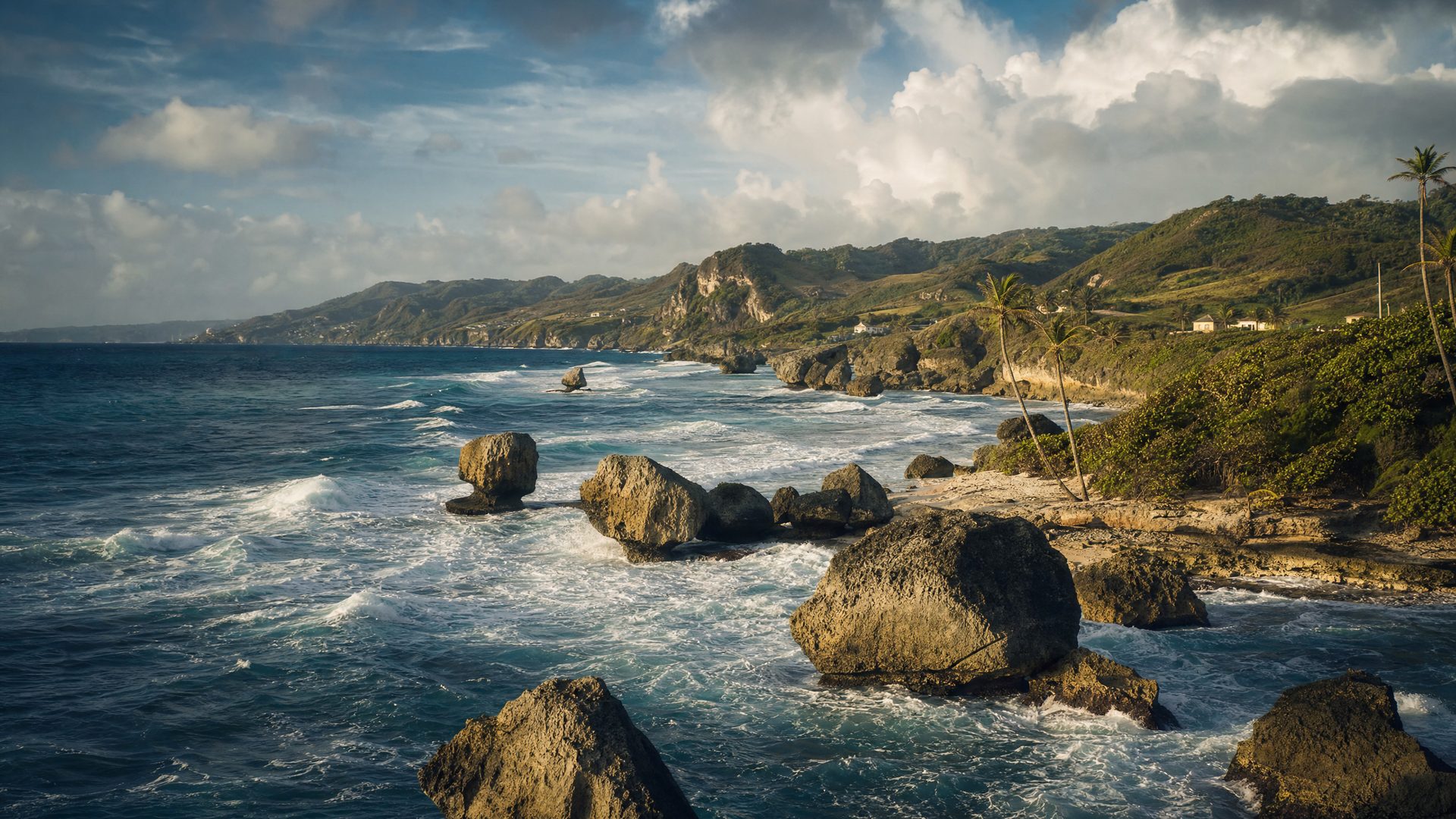
Best for: Bathsheba and East Coast deserves a proper place in the Barbados plan, especially when the trip needs Atlantic scenery, surf views and quiet island contrast. Bathsheba and the East Coast show a wilder side of Barbados, with Atlantic scenery, surf viewpoints, rock formations and quiet villages that contrast sharply with the west and south coasts.
Historic landmarks: Bathsheba Beach Viewpoints, Soup Bowl Area, Andromeda Botanic Gardens, Animal Flower Cave Route, East Coast Fishing and Surf Culture and Botanic Garden Context should shape the sightseeing plan. Use as a scenic stop rather than a swimming-focused beach. Swimming conditions can be rough, so caution matters.
Museums and attractions: Choose the hotel area around Bathsheba and Use West or South Coast as Base. Pick the district that makes arrival, evening movement and the first full day easier.
Hotels and stay areas: Bathsheba and East Coast also needs a food layer. Build meals around fish cakes, grilled fish, rum punch, Bajan cutters, fresh fruit, coconut water, Bathsheba Area and North Coast Route Stops so the visitor has a reason to slow down between museums, viewpoints and transfers.
Food and restaurants: West Coast and Bridgetown and Garrison can extend the stay when there is enough time. A calm-beach contrast after the east-coast scenery. A heritage route on the way back across the island.

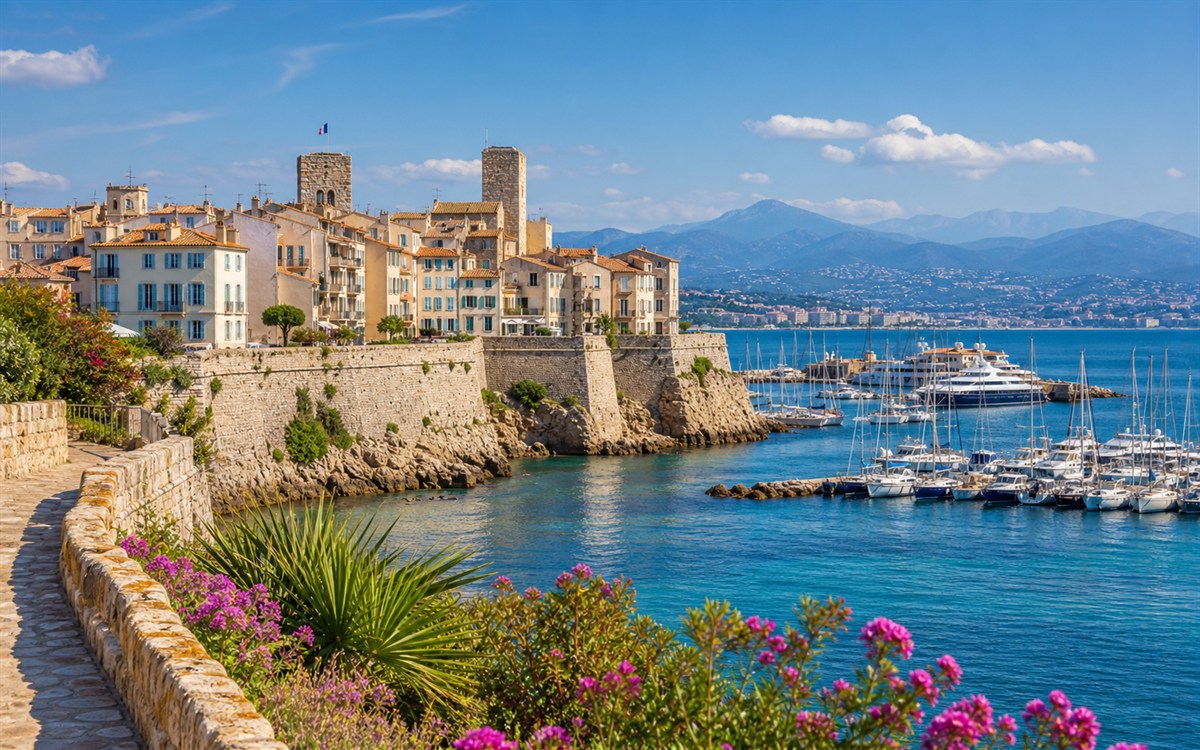
Food, Culture and Route Ideas for Barbados
Food route: flying fish, cou-cou, cutters, fish cakes, macaroni pie and rum are central to local flavour. Rum heritage, beach bars and cricket references are woven into the island’s rhythm. The base changes the holiday mood more than distance alone. This is where food, culture and route planning should work together.
Food, wine and restaurants: Build meals around flying fish, cou-cou, fish cakes, cutters, macaroni pie, rum punch and seafood and keep them close to Bridgetown Centre, Carlisle Bay, Garrison Area, Holetown and Speightstown.
Popular experiences: Choose a beach base first, then add Bridgetown, rum heritage and east-coast scenery as day routes. Use the West Coast for calmer luxury stays and the South Coast for food, nightlife and busier beaches. Keep the route disciplined: one clear hotel area, one strong regional layer and one food or culture experience will usually feel better than trying to touch every possible stop.
Planning rule: Use bookings in a clean order: choose the hotel area first, then add attraction tickets, food tours, guided days and local experiences where they make the journey easier, richer and more realistic.