Start with the trip shape
Decide whether the trip is city-led, heritage-led, coast-led, nature-led or built around a short route.
Austria works best when city culture and alpine scenery are planned as one clear route. Vienna gives palaces, museums, coffee houses, music and imperial structure; Salzburg adds old-town beauty, classical music and mountain access; Innsbruck brings the Alps directly into the trip; and the lake districts, Danube routes and mountain villages create slower regional depth. The strongest Austria trips avoid rushing every famous place and instead choose a clear city-to-alps rhythm.
Start Planning AustriaAustria is easier to plan when Vienna, Salzburg, Salzkammergut and daily movement are separated before bookings are compared.
4 city and region anchors, one country page, and booking choices arranged around the trip shape.
Jump to cities and regionsCompare deals only after the route shape, dates, stay base and main experiences are clear enough to judge value properly.
Open planning optionUse the hotel area to reduce daily movement between Vienna, Salzburg and the places that matter most.
Open planning optionMuseums, landmarks and major attractions work better when they are grouped by neighbourhood, timing and demand.
Open planning optionUse guided tours, food routes and specialist days where they improve the route instead of crowding the schedule.
Open planning optionRail, road, domestic flights, ferry timing or fewer bases can change the whole trip. Decide the movement pattern early.
Open planning optionUse the city and region guide below to decide where to slow down, where to day trip and where to avoid adding extra bases.
Open planning optionDecide whether the trip is city-led, heritage-led, coast-led, nature-led or built around a short route.
The stay area should make daily movement easier, not force long transfers before the main sights, food areas or day trips.
Book the pieces that protect the trip first, then add optional experiences only where they improve the pacing.
Austria rewards careful base choices: Vienna for museums and music, Salzburg for baroque streets and alpine edges, Innsbruck for mountains, and Graz for a softer southern city rhythm.
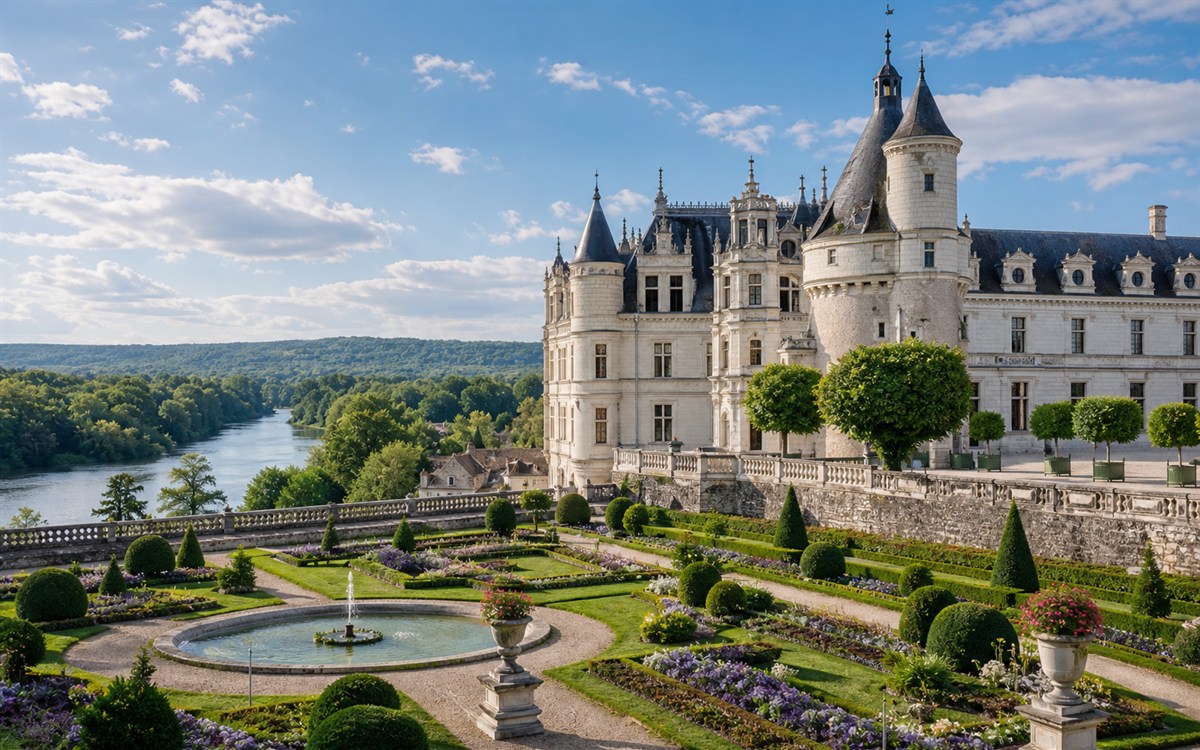
Palaces, concert halls, old towns and cafe culture give Austria a refined city-break structure.
Mountain railways, lake districts and valley towns add scenery when the route has enough time.
Christmas markets, summer festivals, opera, hiking seasons and lake time all change the right trip shape.
Use Vienna as the cultural anchor, then add Salzburg or the Salzkammergut if the trip has more than four days.
Use Innsbruck or Salzburg as the base, then keep weather flexibility for cable cars, lakes and valley routes.
Vienna, Salzburg, Innsbruck and Graz can link well by rail when each stop has a clear reason to be included.
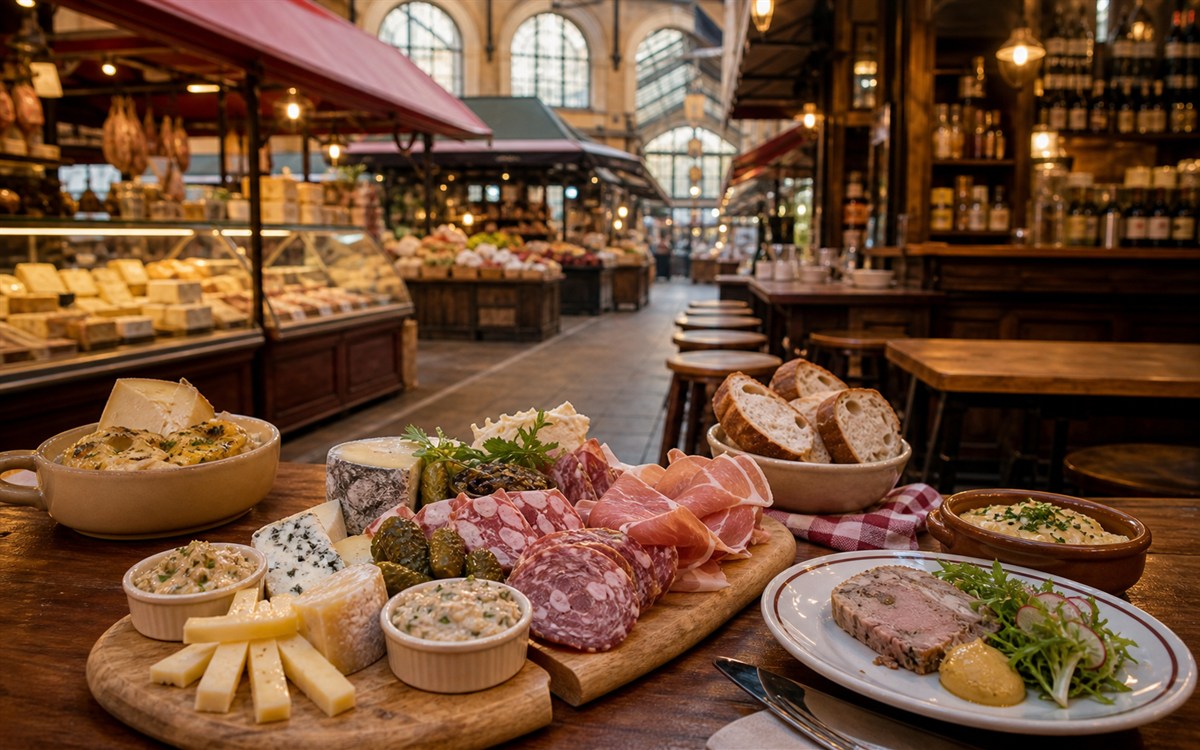
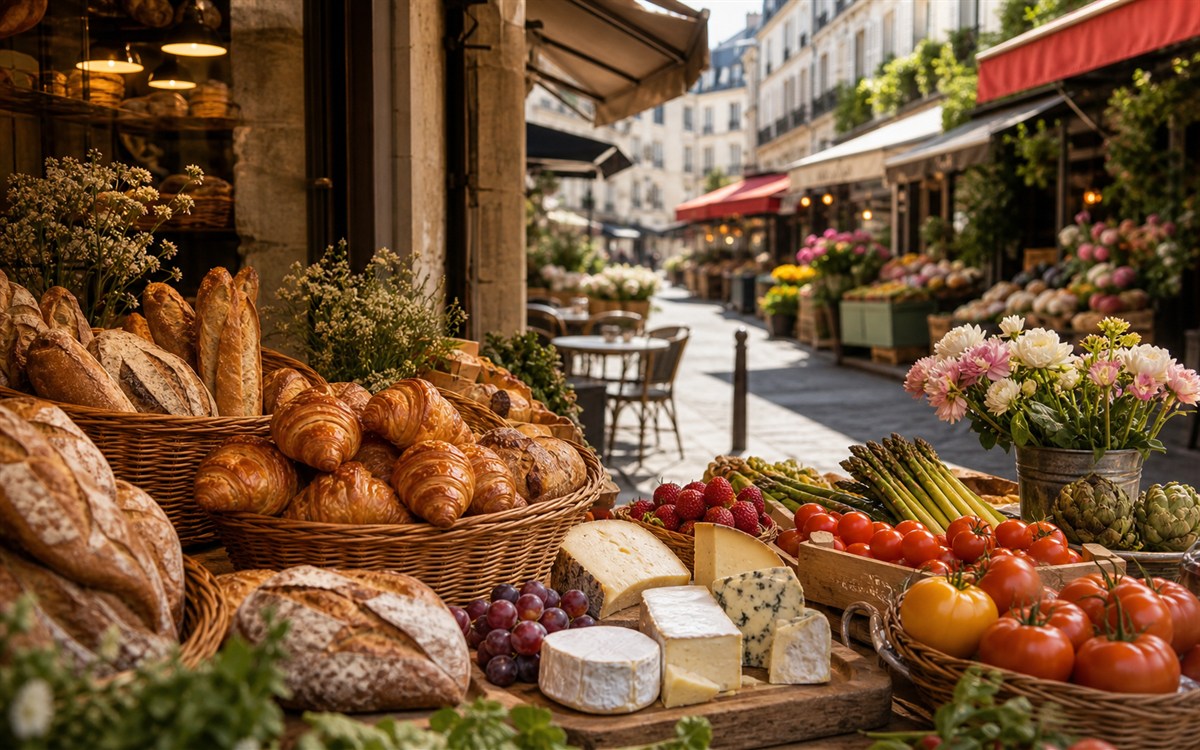
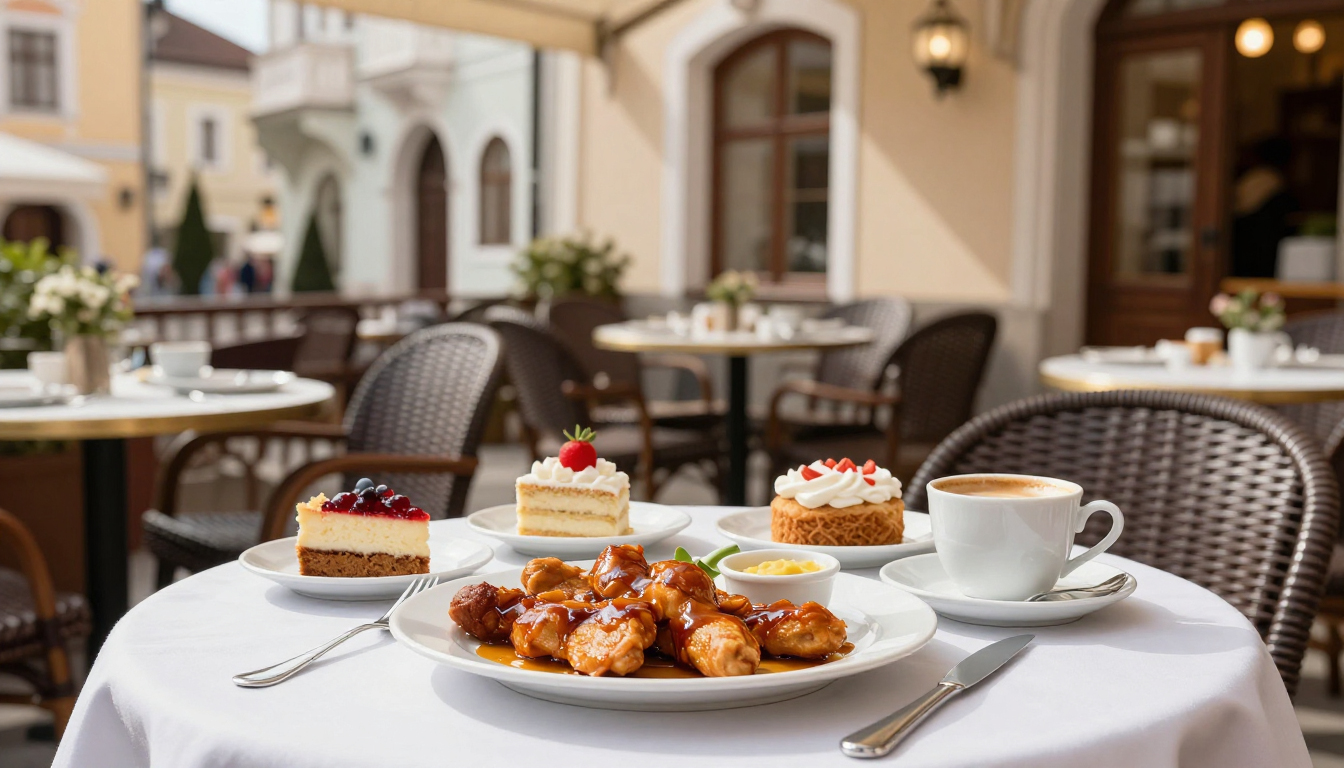
Austria is easier to plan when food is treated as part of the route: local markets, traditional restaurants, cafe streets and guided tastings can connect the old town, museum quarter, waterfront and evening stay area.
Old town restaurants, Local markets, Traditional bakeries or cafes, Regional comfort dishes, Guided food experiences.
A local market or food hall, A traditional bakery, cafe or casual restaurant, A regional dish connected to the destination, A guided food walk where it fits the itinerary, A relaxed dinner near the hotel base.
Add meals and food experiences near the places already in the plan so the trip feels richer without adding unnecessary transfers.
Turn the country guide into a practical trip plan: flights first, then hotels, tickets, tours and food experiences in one planning flow.
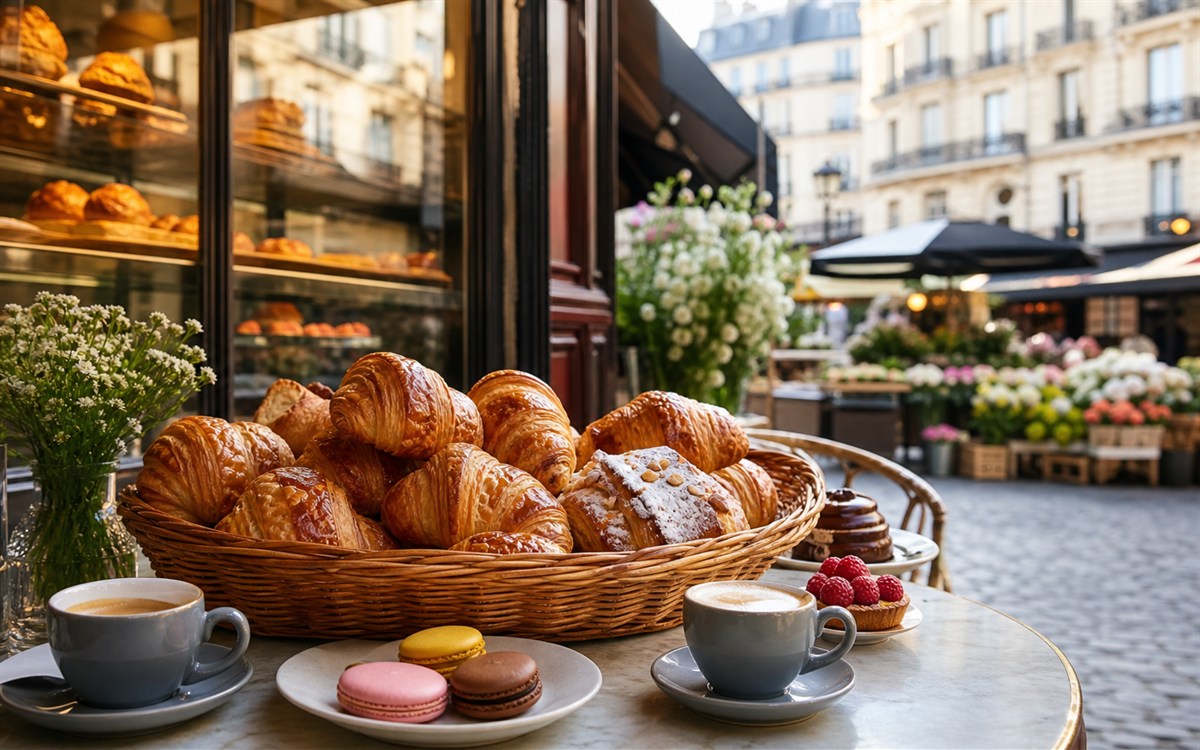
Coffee houses, pastries and slower breaks are part of the daily structure, especially in Vienna.
Mountain inns, dumplings, cheeses and lake fish work best when travel days are not rushed.
Classical music, festivals and seasonal markets can shape evenings as much as museums shape daytime plans.
Use these city and region sections as same-page planning anchors for the trip. Each one explains why it matters, what to see, where to base yourself and which booking options to compare next.

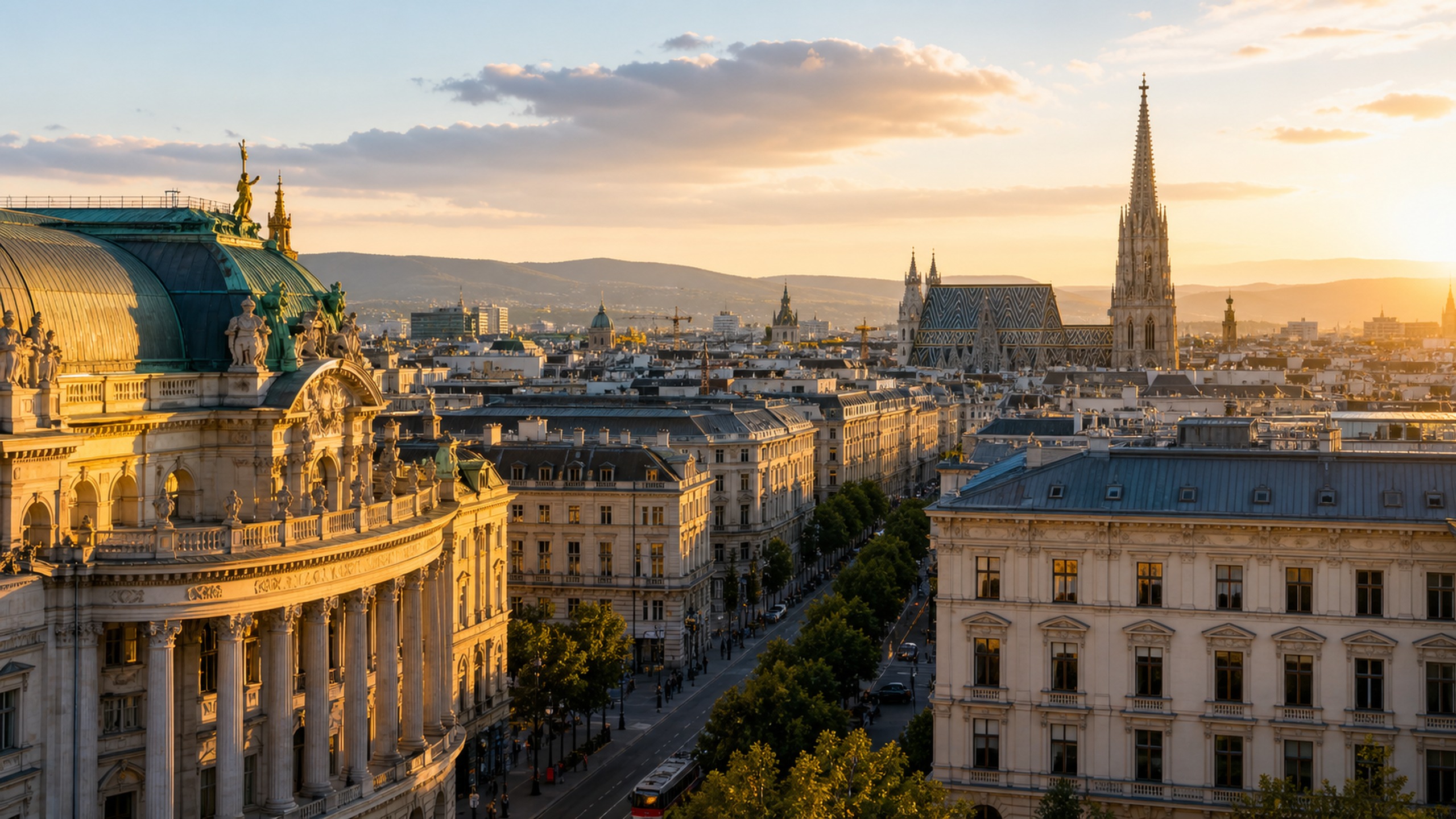
Vienna is Austria’s most complete first base, combining palace collections, grand avenues, opera, coffee houses and calm transport links for day trips.
A major palace and garden complex that explains the imperial scale of Vienna.
Give it a full half-day rather than treating it as a quick photo stop.
The historic imperial centre and boulevard route tie together museums, monuments and state buildings.
Use the Ringstrasse as a walking or tram structure for the day.
The central Gothic landmark and the easiest orientation point in the old town.
Pair with nearby lanes, cafes and evening streets.
A palace and art setting with gardens and major Austrian art collections.
Works well as a focused cultural block away from the densest old town streets.
One of Europe’s great art museums, especially for old masters and imperial collections.
Plan a focused visit rather than trying to exhaust the building.
A central music institution and a useful anchor for evening planning.
A practical cluster for modern art, design, courtyards and cafe breaks.
Vienna dining is shaped by coffee houses, bakeries, wine taverns and classic Central European cooking rather than rushed restaurant hopping.
Useful for classic cafes, old-town meals and museum-adjacent dining.
Best for first-time stays, cafes, heritage.
Good for market browsing, casual meals and a more flexible evening route.
Best for markets, casual dining.
Better for modern restaurants, bars and cultural evenings.
Best for modern dining, museums.
Coffee houses are social rooms as much as food stops, so they deserve time in the plan.
Opera, chamber music, churches and concert halls make evenings a natural part of the trip.
Central and polished, but usually more expensive.
Best for first-time stays, walkability, museums.
Practical for parks, river access and connections.
Best for transport, value, families.
Good for a less formal stay close to museums and food.
Best for cafes, bars, culture.
Enough for the old town, one palace, one major museum and a concert or cafe-led evening.
Better for slower museums, neighbourhoods and a day trip to the Wachau or Bratislava.
A river and wine-region day that works well in warmer months.
Both can connect by rail, but they should not crowd a short Vienna stay.
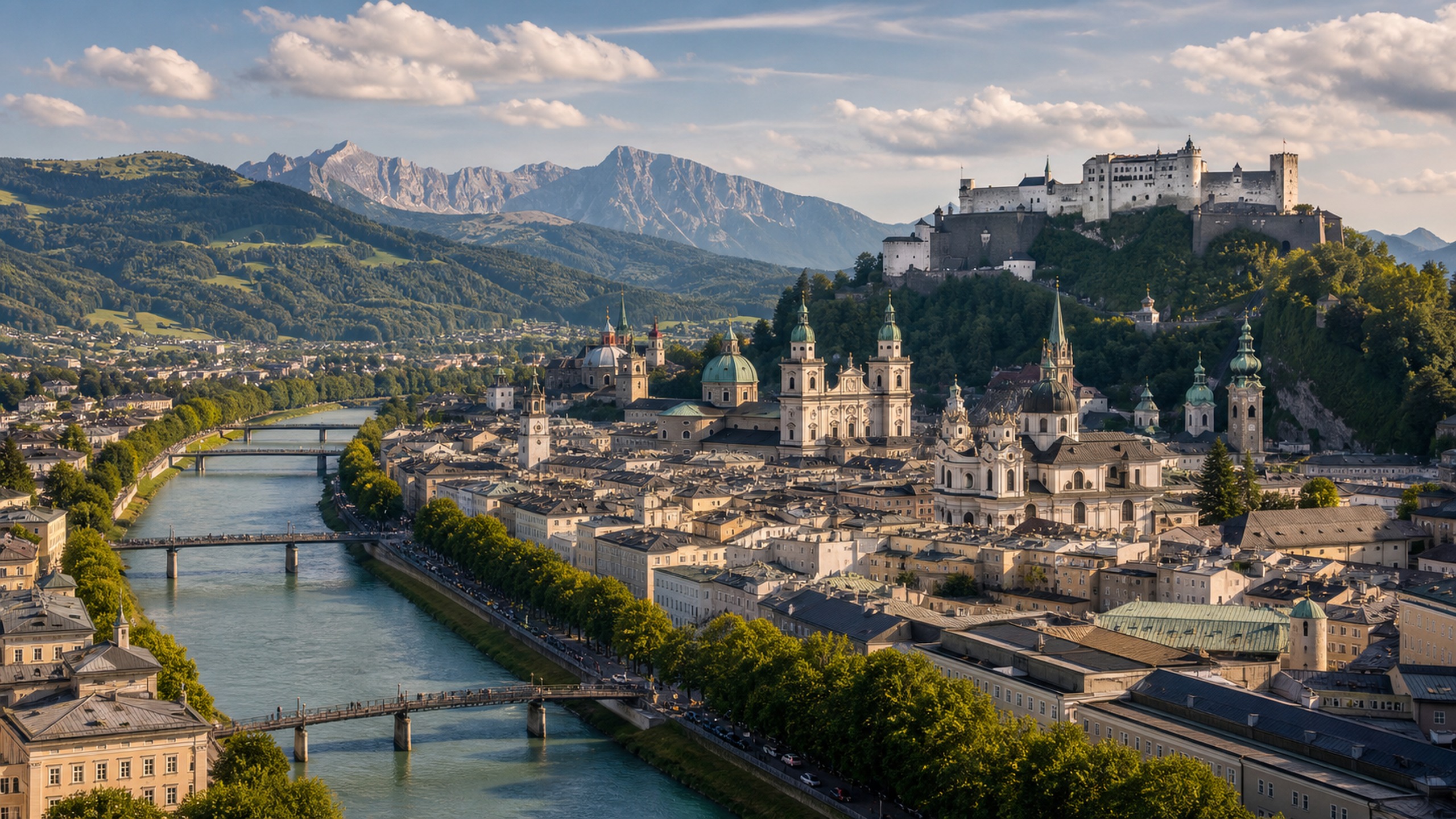
Salzburg adds a compact old-town base with music heritage, fortress views and easy access to lakes and mountain scenery.
A hilltop fortress with wide views over the old town and surrounding mountains.
Use it early for orientation before walking the centre.
Formal gardens and palace views that work well as a gentle city route.
Pair with the river walk and old town crossings.
The baroque core of the city, useful for understanding Salzburg’s scale and history.
Keep the old town compact instead of adding too many outlying stops.
A historic shopping street with lanes, signs and Mozart connections.
Best as part of old-town wandering rather than a standalone attraction.
A central museum that places Mozart heritage into the city route.
A strong combined palace, cathedral and art route in the old town.
Salzburg food planning is about old-town cafes, Austrian taverns, pastries and mountain-day meals if the trip extends beyond the centre.
The easiest area for cafes, classic meals and evening atmosphere.
Best for first-time stays, cafes.
A useful mix of quieter streets, restaurants and access to Mirabell.
Best for quieter evenings, short stays.
Music festivals and concert calendars can change the best time and cost of a visit.
The city feels urban but sits close enough to mountains and lakes to become a scenic route base.
Best for a short, heritage-heavy stay.
Best for atmosphere, walkability.
Practical and often calmer than the tight old town.
Best for transport, value, restaurants.
Useful if Salzburg is part of a multi-city Austria plan.
Best for rail routes, day trips.
Enough for the old town, fortress, Mirabell and one music or museum block.
Better for lakes, Berchtesgaden or a slower mountain-linked route.
A scenic extension for Hallstatt, St Wolfgang or lake villages, best with realistic transport time.
A cross-border mountain day that needs weather-aware planning.
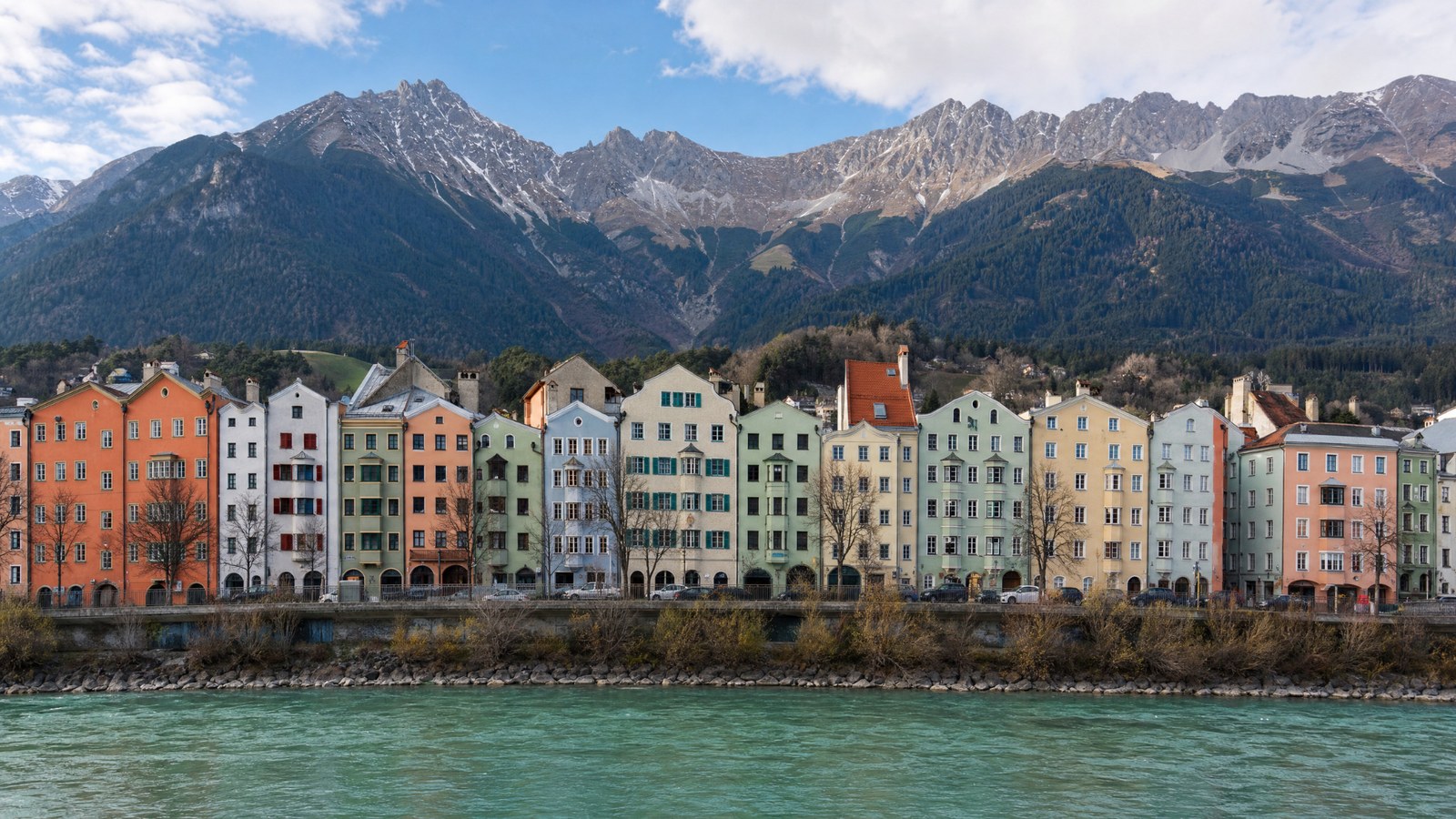
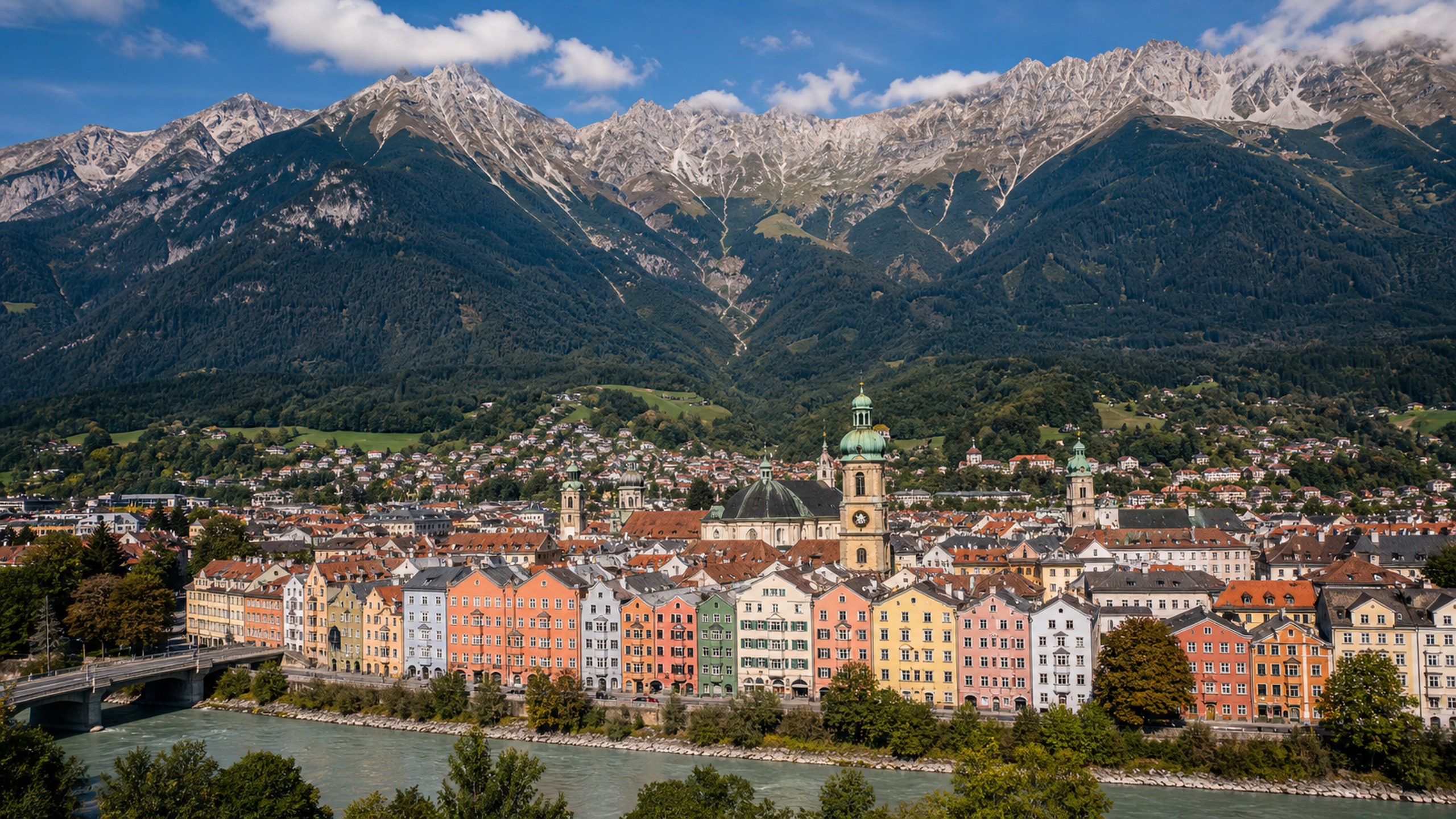
Innsbruck gives Austria a clear mountain-city layer, with a historic centre, alpine views and easy access to cable cars, valleys and winter or summer outdoor routes.
The compact historic centre and classic Innsbruck landmark.
Use it as the easy city block between mountain plans.
A quick route from city level to high alpine viewpoints.
Weather matters; keep the timing flexible.
An imperial palace that adds heritage depth to the mountain setting.
Good for poor-weather hours or a slower cultural day.
A striking viewpoint and sports landmark with a different angle on the city.
Pair with nearby museums or a taxi/tram plan rather than walking everywhere.
Useful for understanding local craft, dress and mountain identity.
A strong out-of-centre culture stop with collections and gardens.
Innsbruck food leans alpine and Tyrolean, with hearty dishes, bakeries, beer halls and mountain huts shaping the day.
Best for compact meals, cafes and easy evenings.
Best for first-time stays, short breaks.
Useful for central restaurants and shopping-linked dining.
Best for central choice, cafes.
Good for scenic lunches when cable cars or hiking are part of the plan.
Best for views, active days.
Local dress, mountain sports and alpine food give Innsbruck a strong regional character.
Winter sports and summer hiking both work, but the trip rhythm is completely different.
Best for atmosphere and easy city access.
Best for walkability, short stays.
Practical for multi-city or airport-transfer trips.
Best for rail routes, value.
Better for scenery-led stays with more logistics.
Best for views, mountain access.
Enough for old town, one cable-car route and a museum or viewpoint.
Better for valleys, hiking, skiing or a wider Tyrol route.
A strong mountain extension for glacier views, hiking or winter sports.
Useful for gentler alpine scenery and slower stays.
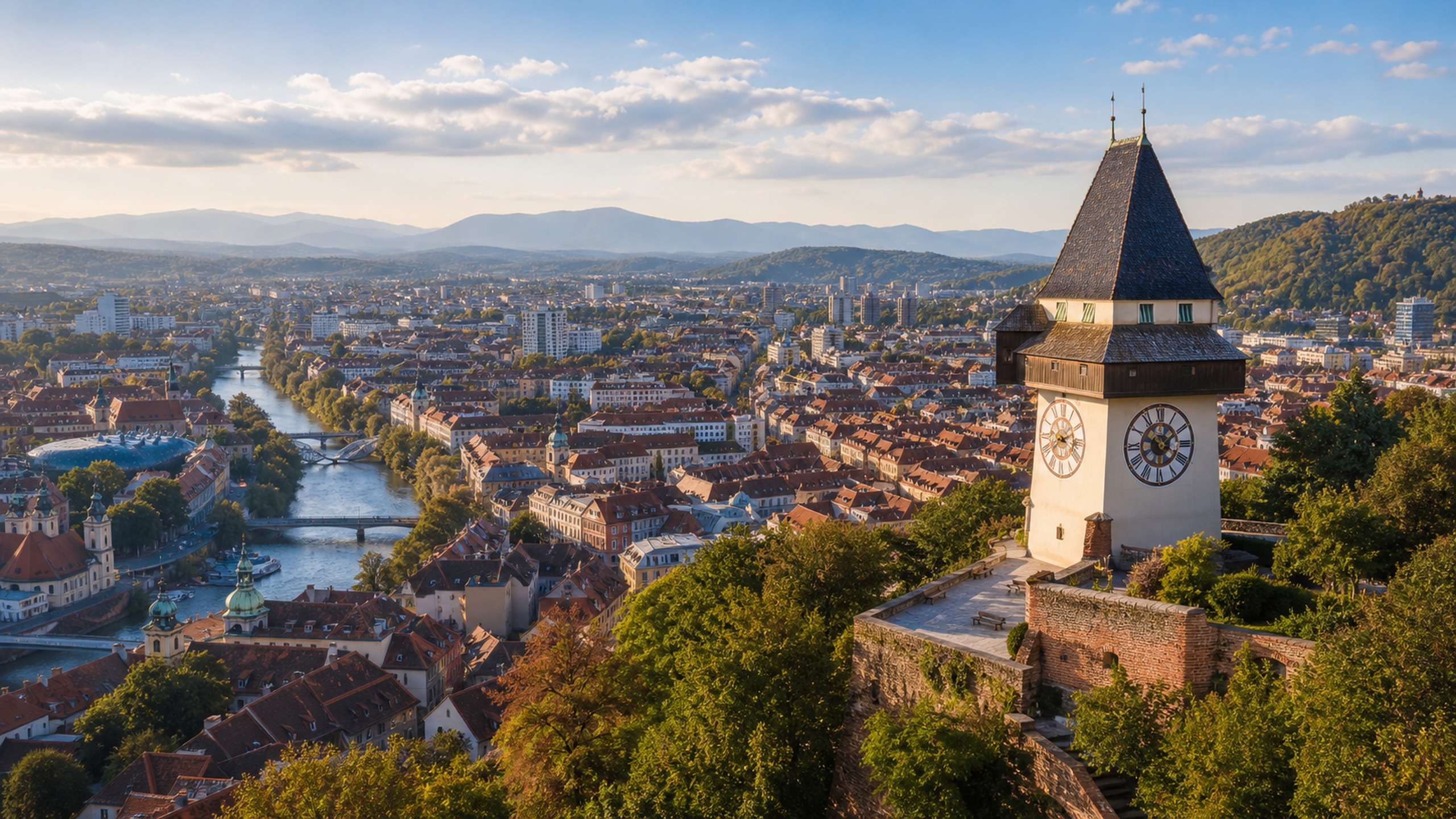
Graz adds a less hurried Austrian city base, with a handsome old town, design museums, university energy and access to Styria’s food and wine country.
A hilltop city landmark with views and a clear sense of Graz geography.
Use it as the main orientation point before old-town wandering.
A UNESCO-listed centre with courtyards, lanes and Italian-influenced architecture.
Best explored slowly on foot.
A modern art museum that contrasts sharply with the historic centre.
Pair with the Mur river area.
A contemporary island structure on the river that suits a short design-led walk.
Works as a link between old town and modern Graz.
A broad museum network covering art, history and regional collections.
A major palace and garden site slightly outside the centre.
Graz is one of Austria’s easier food cities, with market produce, Styrian pumpkin seed oil, wine routes and relaxed central dining.
Good for traditional restaurants, cafes and compact evenings.
Best for first-time stays, walkability.
Useful for markets, creative food and a more local rhythm.
Best for markets, casual dining.
The city mixes heritage with a younger design and university rhythm.
Markets, oils, wine and regional produce give Graz a distinctive southern Austrian feel.
Most convenient for the core city break.
Best for walkability, short stays.
Good for a more relaxed base near markets and the river.
Best for food, local feel, value.
Enough for old town, Schlossberg, Kunsthaus and a food-led evening.
Better for palace time and a Styrian wine or countryside extension.
A food and wine extension that needs a car, driver or organised transport.
Both can link into a wider Central Europe route if travel time is protected.
Start with the places people actually remember: the old town, the waterfront, the museum quarter, the food streets and the easy guided day trips. WorldFun helps you turn a country page into a practical plan with flights, hotels, tickets, tours and local experiences in one flow.
Start with flights into the easiest gateway for Austria, choose a hotel near the old town, waterfront or museum quarter, then group the first tickets and tours by area.
Compare flights before choosing the hotel area.
Build one walkable day around a market, a museum, a historic street and an evening restaurant area, then add a food tour if it makes the city easier to understand.
Add a food tour or local market visit.
Reserve the high-demand museum or landmark first, keep the hotel base close enough for an easy return, and use the old town walk for the same day.
Reserve tickets early for the attractions people travel for.
Keep transfers short, choose official attractions or guided experiences, leave space for breaks and use restaurants near the stay base for easier evenings.
Choose family-friendly tours and ticketed attractions.
For a short stay in Austria, focus on one arrival city, one strong hotel area, one museum or landmark booking, one food plan and one guided city walk.
Book the hotel close to the route, not just the lowest price.
Compare flights before you choose the hotel area, especially when several arrival cities or transfer routes are possible.
Compare FlightsBook close to the old town, waterfront, museum quarter or main transport link so each day starts with less friction.
Find HotelsBook the museum, landmark or attraction people travel for before filling the day with smaller stops.
Book TicketsUse guided city walks, cultural tours and food experiences when they make the destination simpler and more memorable.
Explore ToursUse this guide to understand the best way to approach Austria: where to arrive, where to stay, how much to move around, and which sights, regions and experiences deserve priority.
Austria works best when the route has a clear purpose. Start with the main gateway, decide whether the trip is city-led, coast-led, nature-led or culture-led, then choose the stay base around that plan.
Use Vienna, Salzburg, Innsbruck as practical anchors, then decide whether Salzkammergut, Tyrol, Wachau Valley should be day trips, overnight stops or a separate route. The hotel area should reduce travel time, not create more of it.
Build the experience list around the route: major sights first, then food, local neighbourhoods, nature, museums, tours or family activities where they genuinely fit the available time.
Plan Austria by deciding whether the trip is Vienna-led, Salzburg-led, alpine-led, music-and-culture-led or a city-to-mountain combination. Rail is useful, but the best route still needs clear bases, realistic transfer time and season-aware mountain planning.
Austria can be a Vienna cultural break, a Salzburg old-town stay, an Innsbruck alpine route, a lake-district escape or a clear city-to-mountain journey. Choose that shape first.
Vienna, Salzburg and Innsbruck work best when the hotel supports walking, rail links and the daily route. A beautiful hotel in the wrong area can waste time on transfers.
Palaces, concerts, museums, lake towns and alpine excursions should be grouped around the base and season. Austria feels richer when the days are not overloaded.
Use this Austria guide to connect Vienna, Salzburg, Innsbruck, rail routes, alpine scenery, lake districts, hotels, flights, concerts and cultural experiences into one calm travel plan.
Check travel deals for Austria only after the route, dates, stay base and main experiences are clear enough to compare properly.
Open Travel DealsChoose the stay base around Vienna, Salzburg, Innsbruck. The hotel area should support the trip shape, transport access and daily movement.
Compare StaysMuseums, landmarks, historic sites, viewpoints and paid attractions should be grouped by area, timing and demand.
Plan TicketsGuided experiences, food routes, nature trips and cultural days should support Salzkammergut, Tyrol, Wachau Valley without overloading the itinerary.
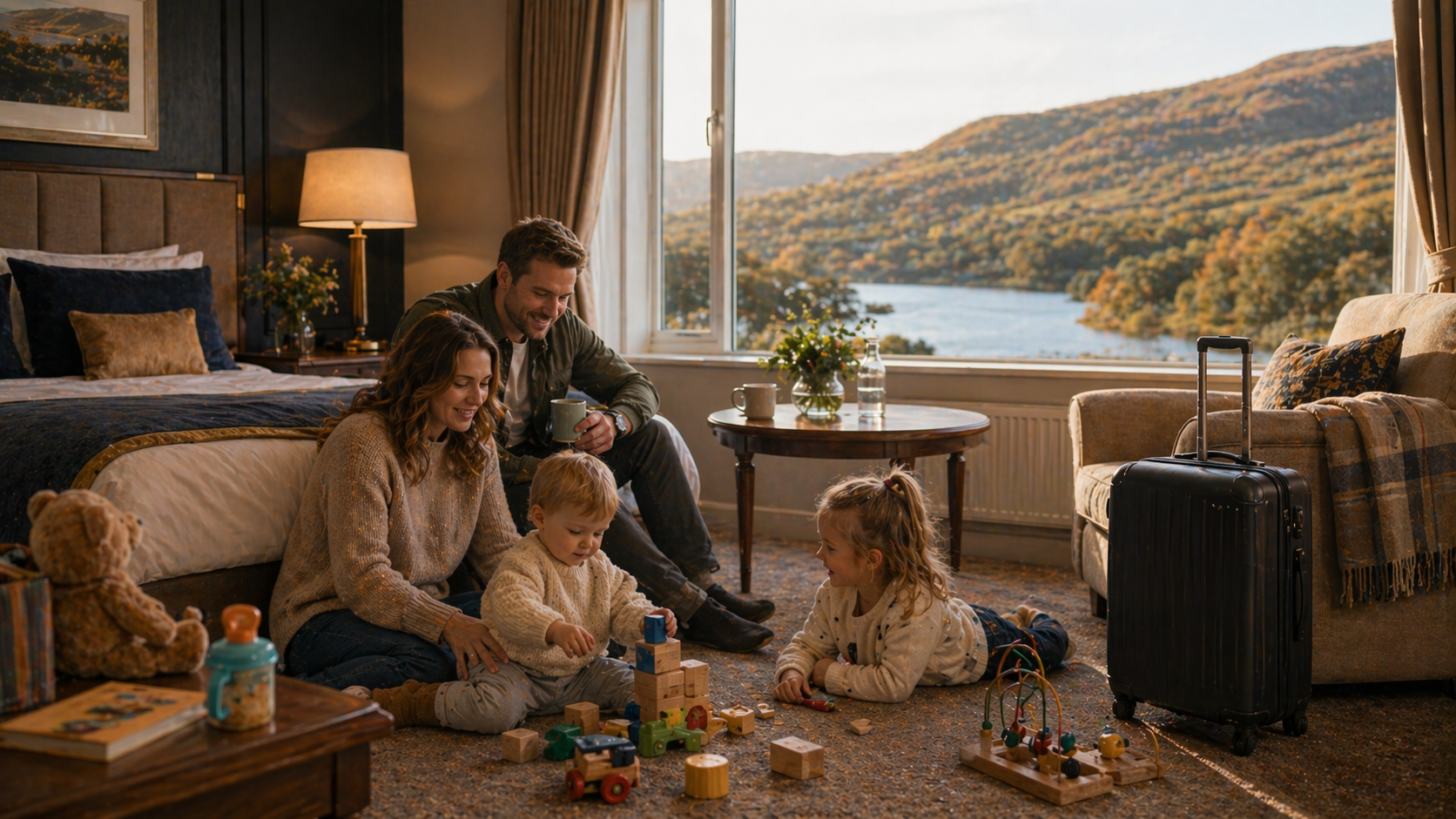
Explore ToursFamily planning for Austria should keep transfers realistic, bases simple, rest time protected and weather backups available.
Plan Family TravelUse Salzkammergut, Tyrol, Wachau Valley as the route layer, then decide whether the trip needs rail, road, domestic flights, boats or fewer bases.
Plan RoutesAustria can work as a focused short break when the arrival city, stay base and one or two priority experiences are chosen early.
Shape a Short BreakVienna is the natural first base for palaces, galleries, classical music, cafes and elegant neighbourhoods. Salzburg works for old-town atmosphere, Mozart heritage and mountain day trips. Innsbruck is best when the Alps are central to the trip. Graz and Linz can add design, food or Danube-linked regional depth.
Best for palaces, museums, cafés, music, architecture, and elegant city stays.
Best for old town, music heritage, mountain views, and lake-region access.
Best for mountains, winter trips, summer hikes, and Tyrol routes.
The Salzkammergut lake district, Tyrol, Wachau Valley, Danube routes and alpine villages each change the travel style. Lakes need slower pacing, Tyrol suits mountain access, Wachau works for wine and river scenery, and winter routes need ski or snow planning.
Lake towns, mountain scenery, spa stays, and slow routes reward a careful base.
Alpine villages, ski areas, hikes, and scenic drives require season-led planning.
Danube towns, vineyards, monasteries, and slow cultural routes from Vienna.
Start with the balance between city and scenery. Vienna can carry a full city break, while Vienna plus Salzburg or Salzburg plus Innsbruck creates a stronger mixed route. Choose hotels near rail, old town or mountain access before adding concerts, palaces, lake days or alpine excursions.
Vienna plus Salzburg is the cleanest first route for culture, rail comfort and strong contrast. Add Innsbruck or a lake district only if the trip has enough days.
A Salzburg-and-lakes stay, an Innsbruck alpine base, or a Vienna-plus-Wachau route can feel more premium than trying to cover the whole country.
Choose city and rail route first, then hotels, then palace tickets, concerts, lake trips, food experiences and mountain excursions around the actual route.
Book Austria around the city-to-region route. Compare flights into Vienna, Salzburg, Innsbruck or nearby gateways, choose hotels that support rail or walking access, then add palace tickets, concerts, food experiences, lake days and alpine tours where they fit the itinerary.