Australia Travel, Structured Around Cities, Coast and Long Distances
Plan Australia through Sydney, Melbourne, Brisbane, the Great Barrier Reef, Queensland, Tasmania, Perth, road trips, beaches, wildlife, hotels and domestic flights.
Start Planning AustraliaAustralia Travel Guide: Routes, Stay Bases, Culture and Experiences
Trip shape: Plan Australia by deciding what the visitor should feel at the end of each day. Start with Sydney, Melbourne, Brisbane and Gold Coast and Cairns and Great Barrier Reef, then test every extra stop against Great Barrier Reef, Tasmania, Great Ocean Road and First Australia Trip: does it make the trip richer, or only longer?
Best for: Great Barrier Reef, Tasmania, Great Ocean Road and First Australia Trip give Australia its deeper travel layer. Some visitors need one main city and one day trip; others should slow down, split the journey and give the strongest region its own nights.
Planning rule: Start with arrival logic, season and the first overnight point, then add the experiences that genuinely deserve advance planning. Museums, landmarks, guided tours, food walks, local neighbourhoods and coastal or countryside days should be grouped by geography and timing.
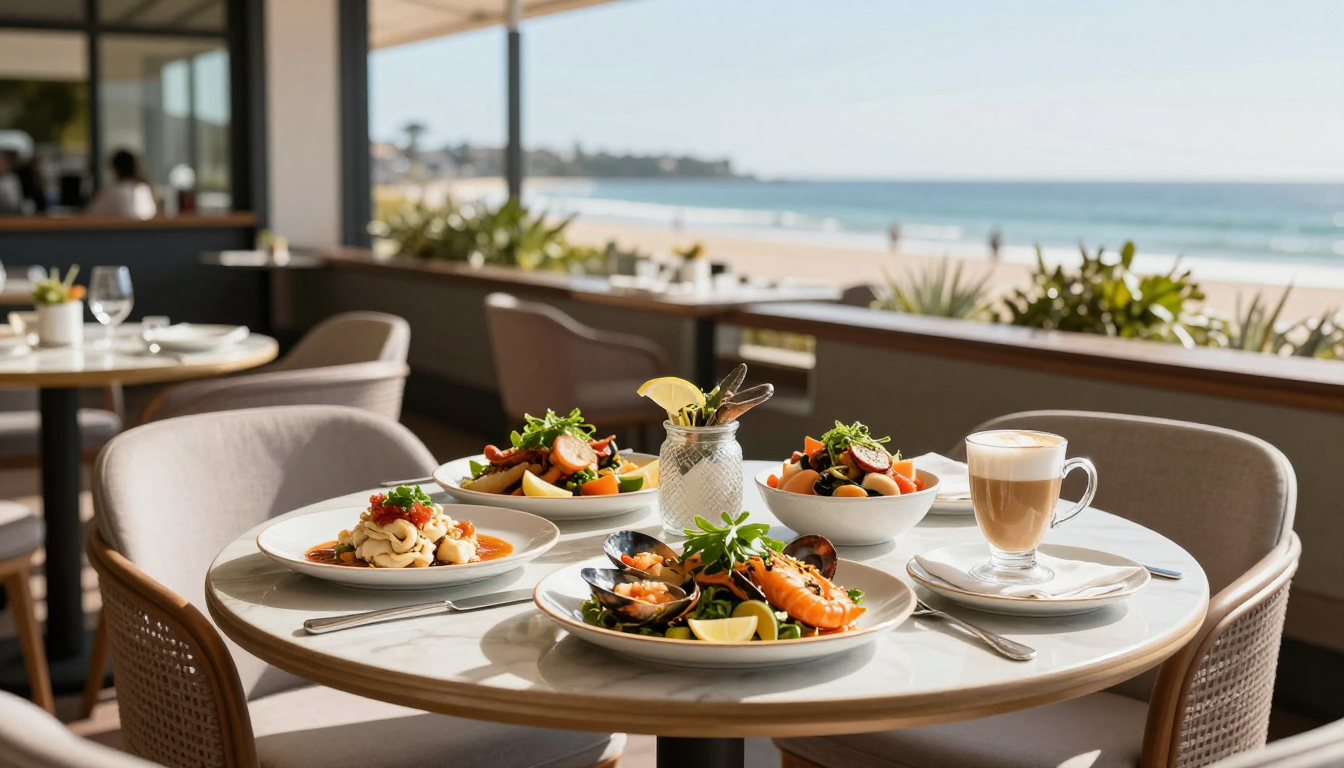
Route logic: coffee, seafood, markets, wine regions and multicultural dining shape city and coast plans. Use reputable cultural experiences and respect access rules around significant places. Keep food close to the chosen hotel area where possible: the best meals often come from market streets, harbour areas, old-town restaurants and neighbourhoods already inside the day’s route.



Sydney: harbour city, beaches and first Australia base
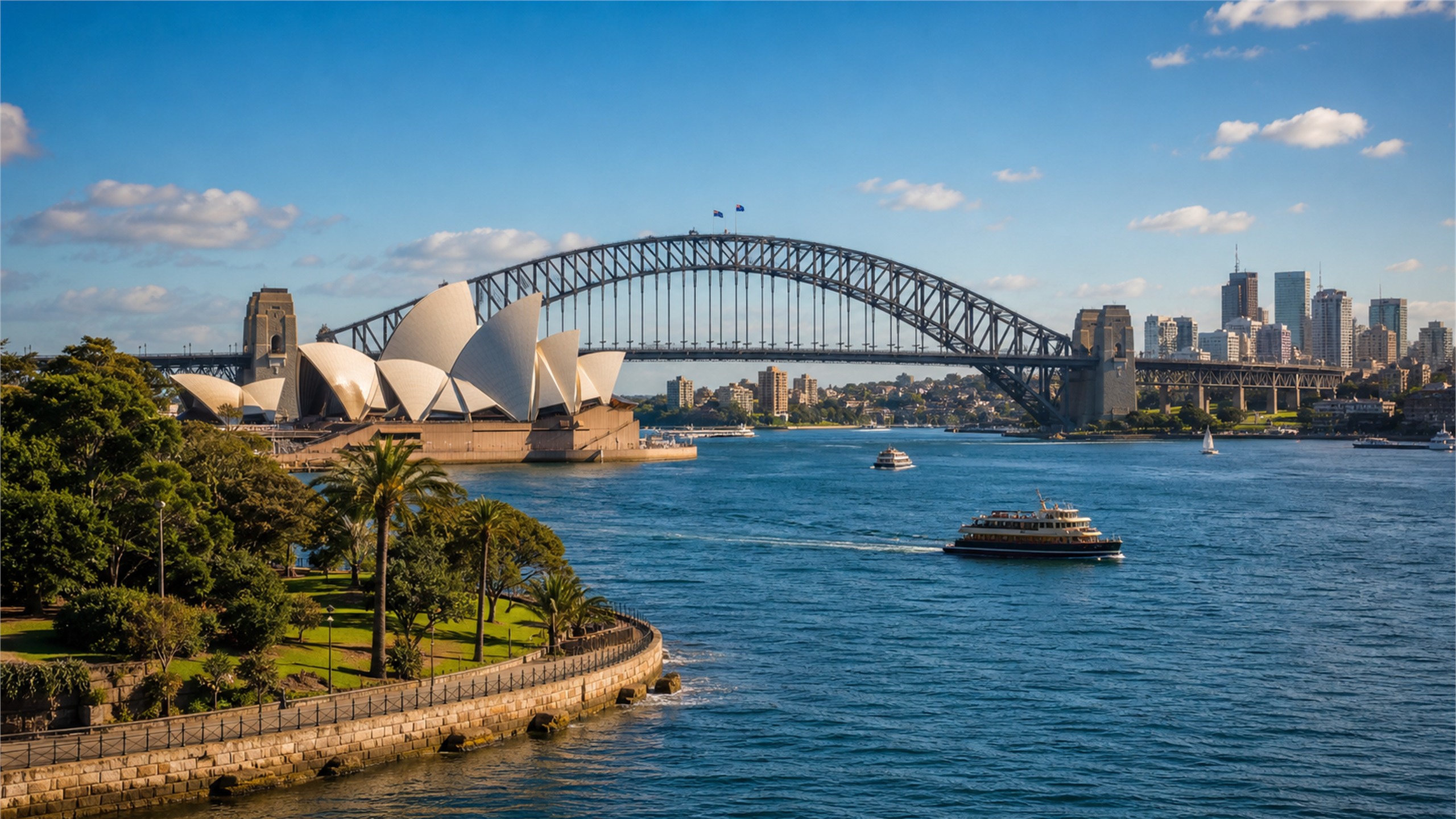
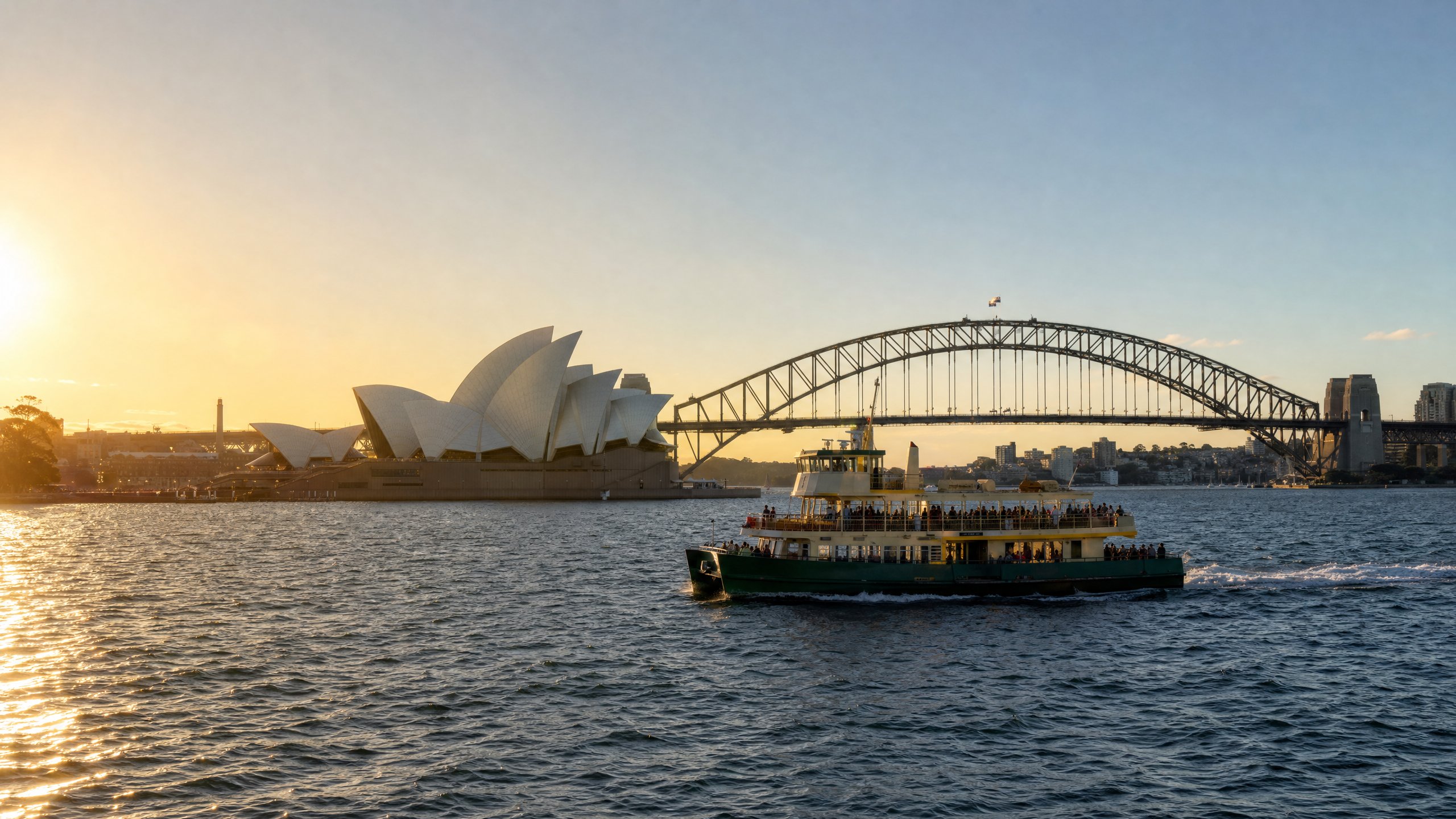
Best for: Use Sydney when the Australia route needs harbour city, beaches and first Australia base. Sydney is Australia's clearest first city base, with harbour landmarks, beaches, coastal walks, museums, food districts and day trips to the Blue Mountains. It works best when ferry routes, beach time, museum stops and neighbourhood meals are balanced rather than clustering every day around Circular Quay.
Historic landmarks: Sydney Opera House and Circular Quay, Sydney Harbour Bridge and The Rocks, Bondi to Coogee Coastal Walk, Royal Botanic Garden, Art Gallery of New South Wales and Australian Museum should shape the sightseeing plan. Use ferries to understand the harbour rather than only walking the quay. Pair The Rocks with museums or ferry trips.
Museums and attractions: Choose the hotel area around CBD and Circular Quay, Surry Hills and Bondi or Coogee. Pick the district that makes arrival, evening movement and the first full day easier.
Hotels and stay areas: Sydney also needs a food layer. Build meals around seafood, flat white coffee, meat pies, modern Australian dining, gelato, Asian noodles, Surry Hills and Darlinghurst and Circular Quay and Barangaroo so the visitor has a reason to slow down between museums, viewpoints and transfers.
Food and restaurants: Blue Mountains and Hunter Valley can extend the stay when there is enough time. The classic nature day or overnight route from Sydney. A wine-region extension for longer trips.
Melbourne: laneways, culture and food city
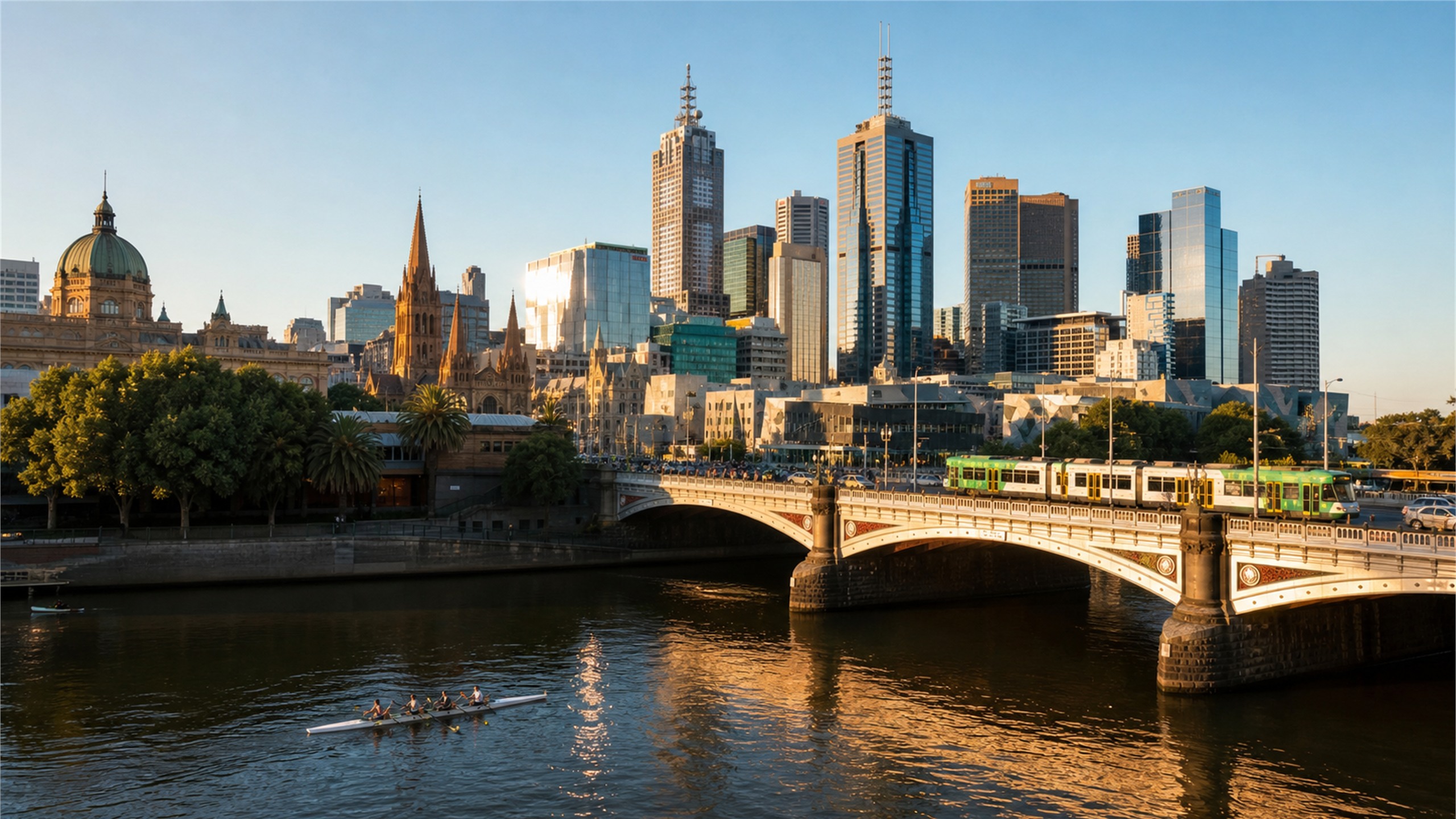
Best for: Melbourne deserves a proper place in the Australia plan, especially when the trip needs laneways, culture and food city. Melbourne is Australia's strongest food, arts and neighbourhood city for many travellers, with laneways, galleries, coffee, sports, trams and road routes into Victoria. The city rewards slower district planning, especially when meals, markets, galleries and event calendars are treated as core attractions.
Historic landmarks: Federation Square and Flinders Street Area, National Gallery of Victoria, Queen Victoria Market, St Kilda and Port Phillip Bay, Melbourne Museum and ACMI should shape the sightseeing plan. Use it as the start of a laneway route. Check exhibitions before choosing the day.
Museums and attractions: Choose the hotel area around CBD, Southbank and Fitzroy or Carlton. Pick the district that makes arrival, evening movement and the first full day easier.
Hotels and stay areas: Melbourne also needs a food layer. Build meals around flat white coffee, brunch, dumplings, market produce, Italian food, wine bar plates, CBD Laneways and Fitzroy and Collingwood so the visitor has a reason to slow down between museums, viewpoints and transfers.
Food and restaurants: Great Ocean Road and Yarra Valley or Mornington Peninsula can extend the stay when there is enough time. A classic coastal road route from Melbourne. Wine and food extensions for longer stays.

Brisbane and Gold Coast: river city, beaches and family coast
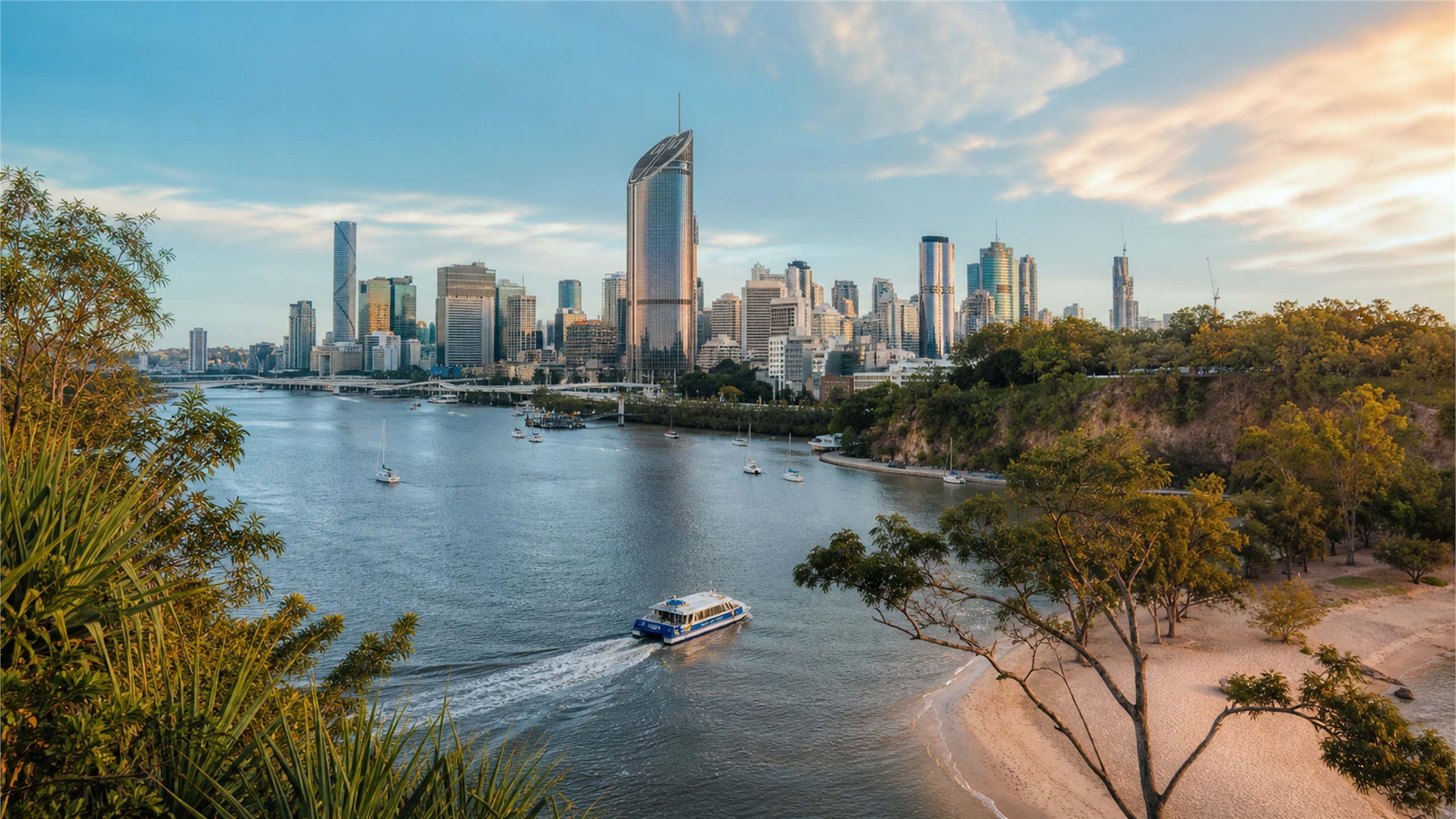
Best for: For Brisbane and Gold Coast, the first decision is pace: give the city enough room to show its river city, beaches and family coast. Brisbane and the Gold Coast make an easy southeast Queensland route, pairing a warm river city with beaches, theme parks, surf towns and hinterland day trips. It works best when travellers decide whether the trip is city-led, beach-led or family-attraction-led before splitting nights across the region.
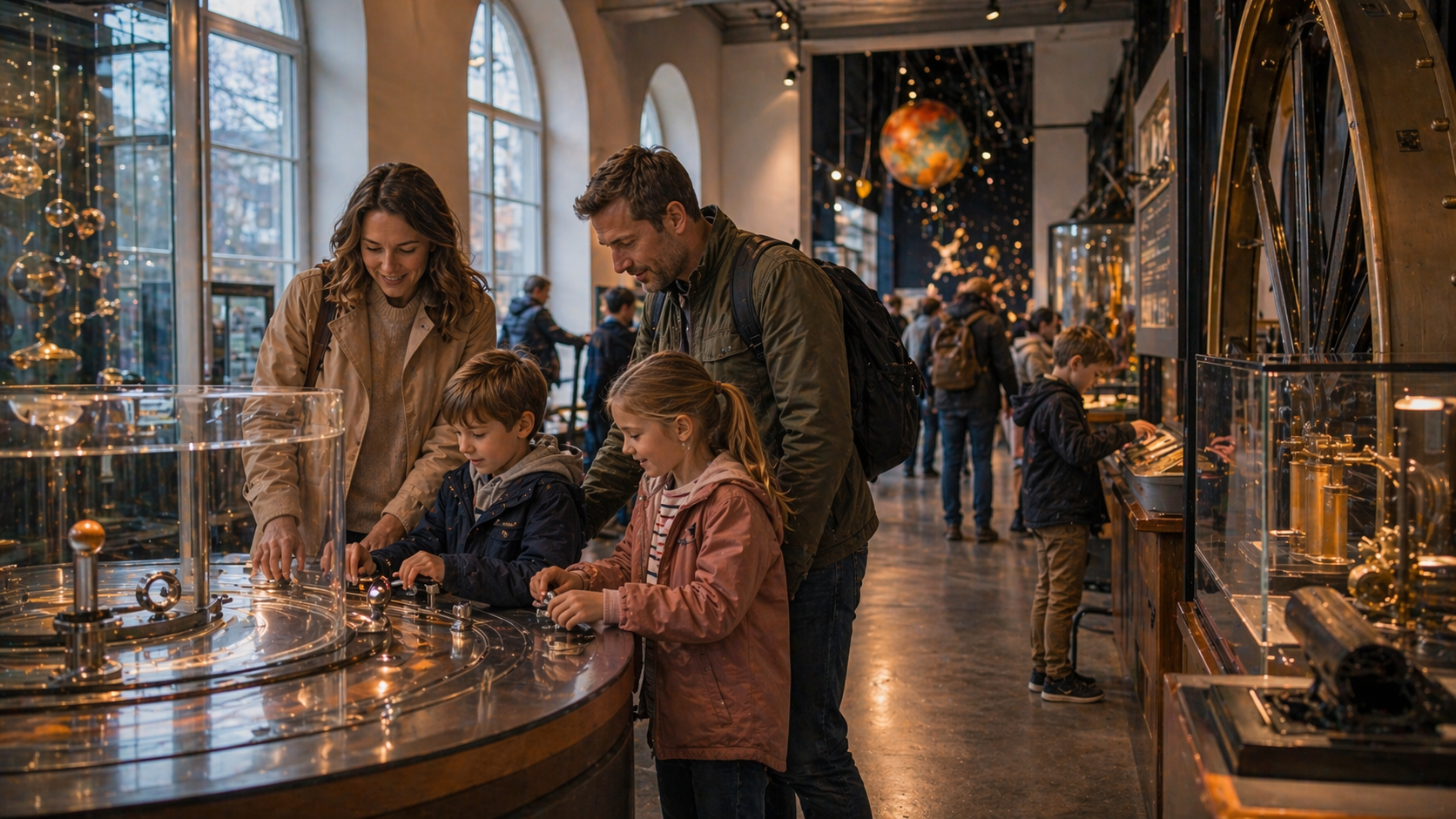
Historic landmarks: South Bank Brisbane, Queensland Cultural Centre, Surfers Paradise and Broadbeach, Tamborine Mountain and Hinterland, Queensland Art Gallery and Gallery of Modern Art and Museum of Brisbane should shape the sightseeing plan. Use it as Brisbane’s main first-day orientation. Good for families and wet-weather planning.
Museums and attractions: Choose the hotel area around Brisbane CBD or South Bank, Broadbeach and Burleigh Heads. Pick the district that makes arrival, evening movement and the first full day easier.
Hotels and stay areas: Brisbane and Gold Coast also needs a food layer. Build meals around seafood, Moreton Bay bugs, tropical fruit, coffee, fish and chips, modern Australian dining, South Bank and Howard Smith Wharves and Broadbeach so the visitor has a reason to slow down between museums, viewpoints and transfers.
Food and restaurants: Sunshine Coast and Gold Coast Hinterland can extend the stay when there is enough time. A calmer beach and hinterland extension north of Brisbane. A natural inland pairing with beach stays.

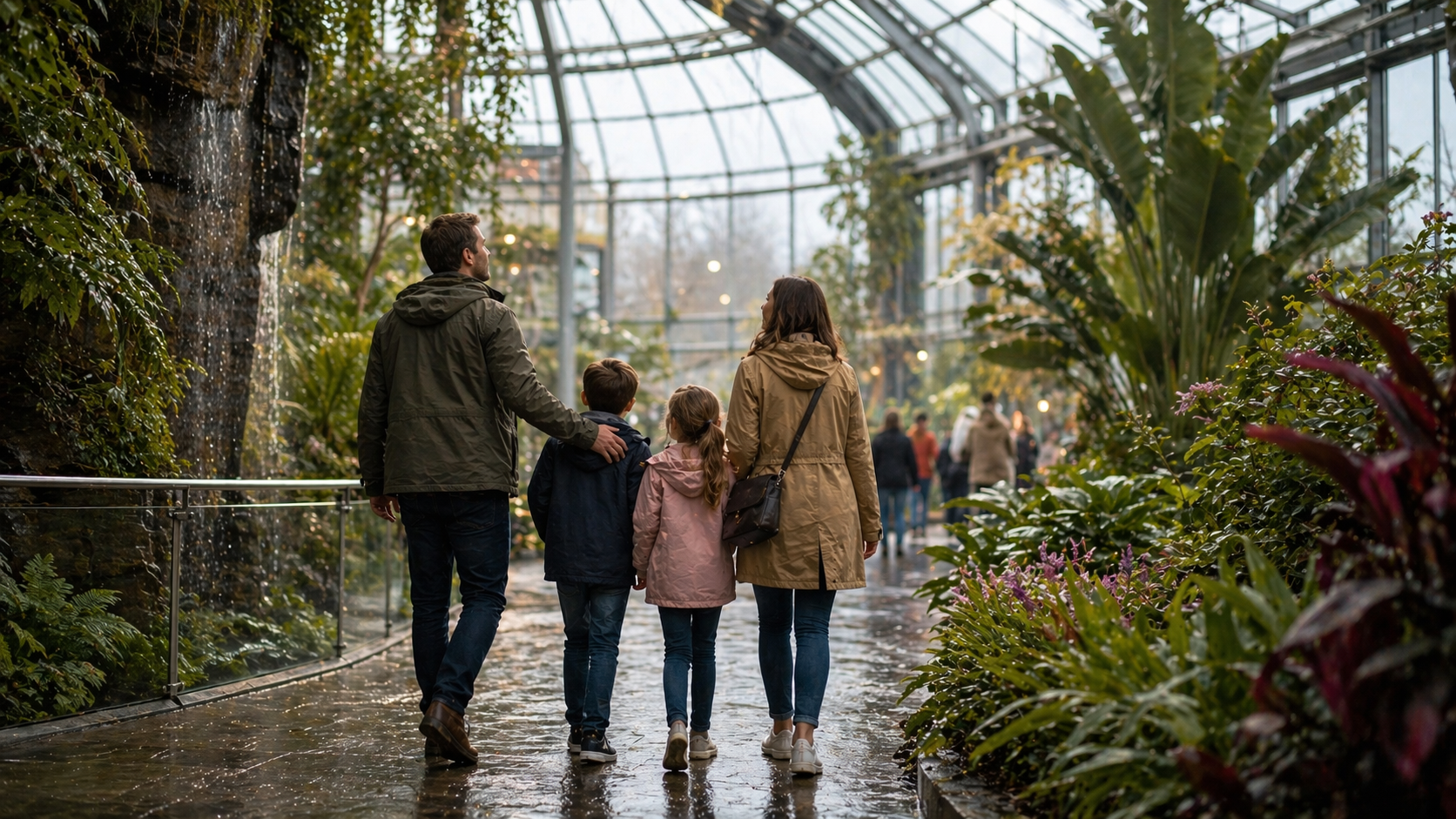
Cairns and Great Barrier Reef: reef access, rainforest and tropical pacing
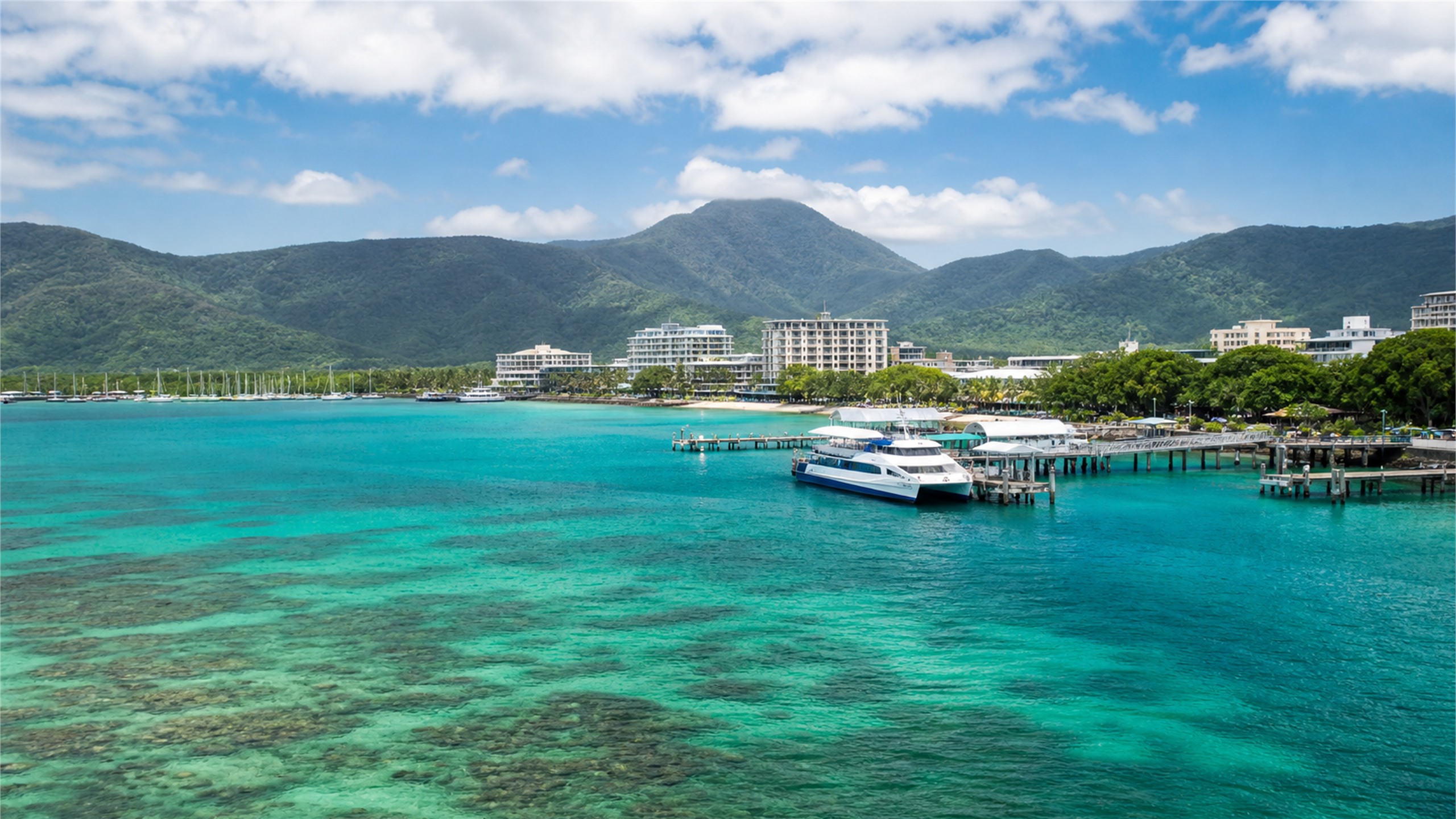
Best for: The value of Cairns and Great Barrier Reef is not only the headline sights; it gives the itinerary reef access, rainforest and tropical pacing and a clearer local rhythm. Cairns is the practical base for Great Barrier Reef trips and tropical rainforest routes, but reef operator choice, weather and marine conditions should shape the plan. The region is strongest when reef days, rainforest routes, stinger-season advice and quieter recovery evenings are planned together.
Historic landmarks: Great Barrier Reef Boat Trip, Daintree Rainforest and Cape Tribulation, Kuranda Scenic Railway and Skyrail, Cairns Esplanade, Cairns Museum and Tjapukai and Indigenous Cultural Context should shape the sightseeing plan. Choose operators by safety, reef stewardship and suitability for your group. Use guided or well-planned transport and respect local conditions.
Museums and attractions: Choose the hotel area around Cairns Esplanade, Palm Cove and Port Douglas. Pick the district that makes arrival, evening movement and the first full day easier.
Hotels and stay areas: Cairns and Great Barrier Reef also needs a food layer. Build meals around seafood, tropical fruit, barramundi, prawns, macadamia desserts, coffee, Cairns Esplanade and Rusty’s Market Area so the visitor has a reason to slow down between museums, viewpoints and transfers.
Food and restaurants: Daintree Rainforest and Port Douglas can extend the stay when there is enough time. The natural rainforest pairing with reef travel. A slower coastal base with reef and rainforest access.




Tasmania: island road trips, food and wild landscapes
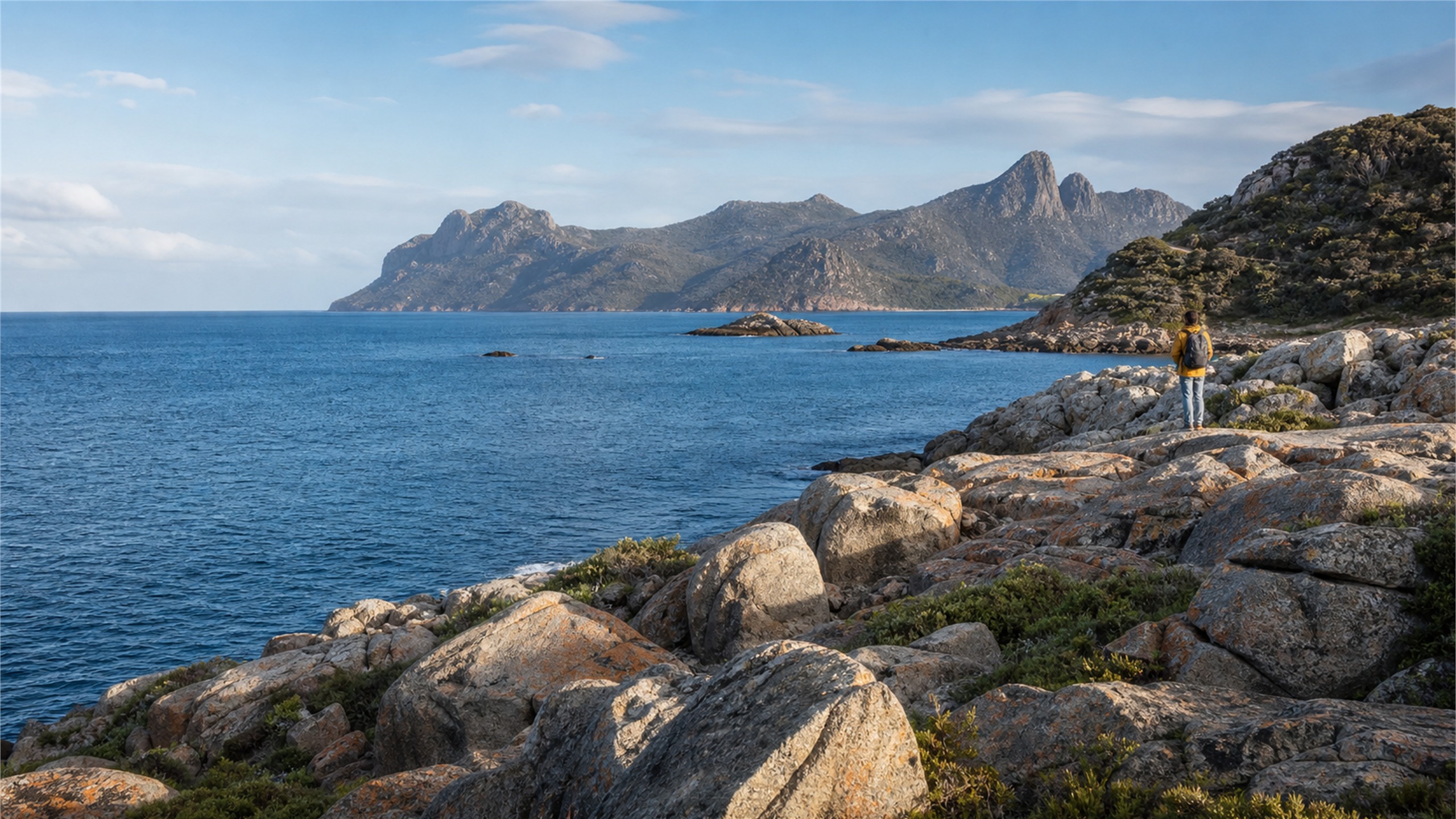
Best for: Treat Tasmania as the part of Australia where island road trips, food and wild landscapes becomes useful for the wider route. Tasmania adds a cool-climate island chapter to Australia, with Hobart, food markets, national parks, coastal roads and wilderness routes that need time behind the wheel. It works best as a deliberate road-trip stay, where produce, convict history, MONA and national-park weather each shape the pacing.
Historic landmarks: Hobart Waterfront and Salamanca, MONA, Freycinet National Park, Cradle Mountain Area, Tasmanian Museum and Art Gallery and Port Arthur Historic Site should shape the sightseeing plan. Time Salamanca Market if visiting on market day. Book ferry or entry in advance when needed.
Museums and attractions: Choose the hotel area around Hobart Waterfront, Freycinet or East Coast and Launceston or Tamar Valley. Pick the district that makes arrival, evening movement and the first full day easier.
Hotels and stay areas: Tasmania also needs a food layer. Build meals around oysters, salmon, cheese, scallop pies, cool-climate wine, whisky, Hobart Waterfront and Battery Point and Salamanca so the visitor has a reason to slow down between museums, viewpoints and transfers.
Food and restaurants: Port Arthur and Freycinet and East Coast can extend the stay when there is enough time. A major heritage day or overnight route from Hobart. The classic scenic extension from Hobart.

Food, Culture and Route Ideas for Australia
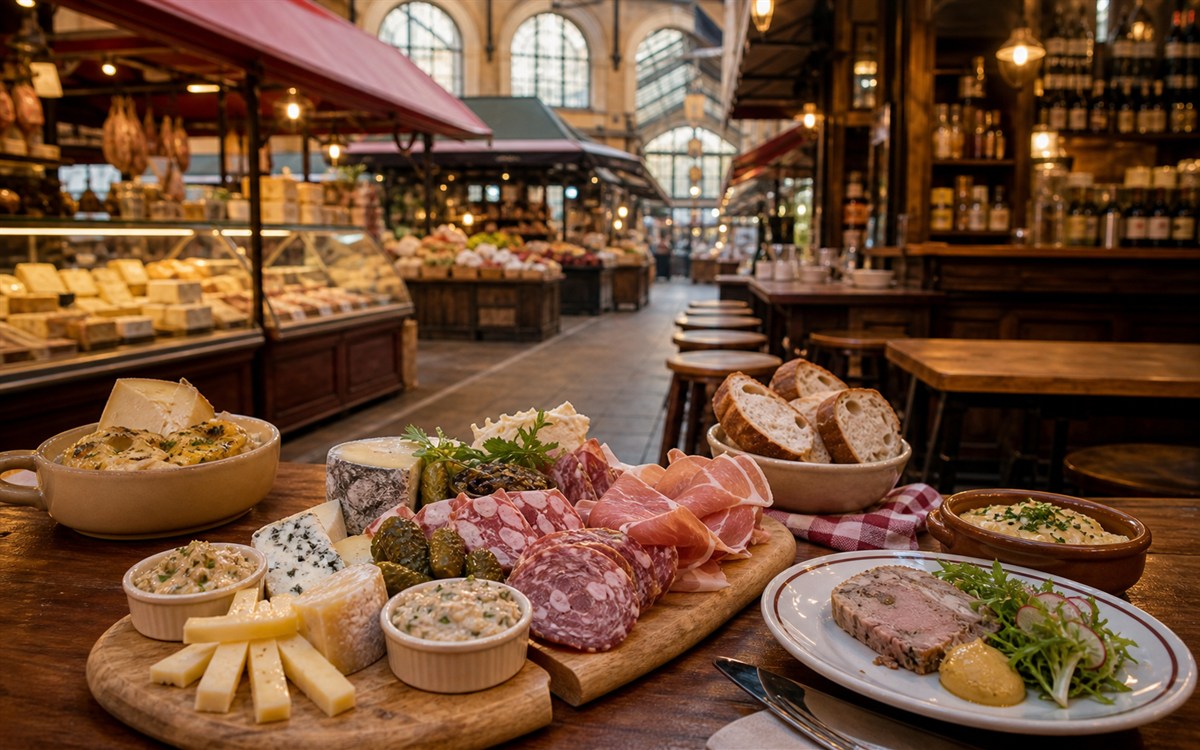
Food route: coffee, seafood, markets, wine regions and multicultural dining shape city and coast plans. Use reputable cultural experiences and respect access rules around significant places. Heat, bushfire season, reef conditions and long drives should guide route choices. This is where food, culture and route planning should work together.
Food, wine and restaurants: Build meals around seafood, flat white coffee, meat pies, modern Australian dining, gelato, Asian noodles and brunch and keep them close to Surry Hills and Darlinghurst, Circular Quay and Barangaroo, Bondi and Coogee, CBD Laneways and Fitzroy and Collingwood.
Popular experiences: Choose Sydney and Melbourne first, then add Queensland or Tasmania only when the itinerary has enough days. Use Brisbane, Gold Coast or Cairns for warm-weather coastal and reef planning. Keep the route disciplined: one clear hotel area, one strong regional layer and one food or culture experience will usually feel better than trying to touch every possible stop.
Planning rule: Use bookings in a clean order: choose the hotel area first, then add attraction tickets, food tours, guided days and local experiences where they make the journey easier, richer and more realistic.