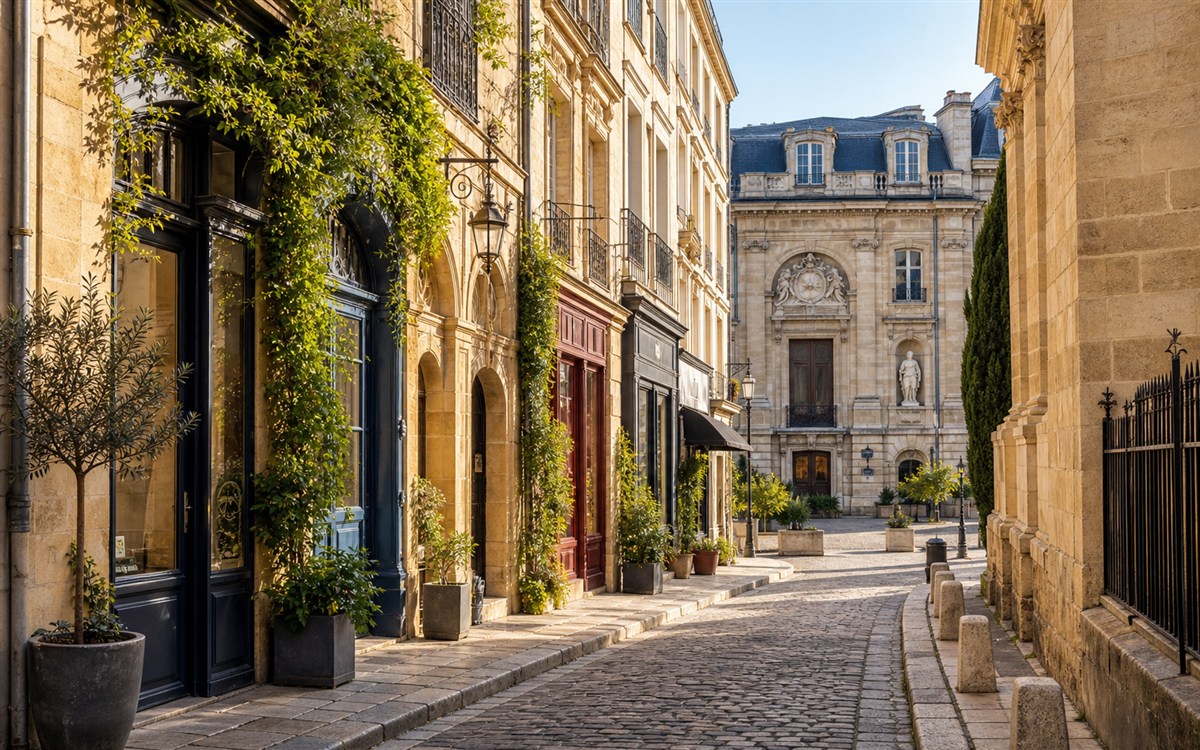
Aruba Travel, Structured Around Beaches, Resorts and Desert Island Routes
Plan Aruba through Oranjestad, Palm Beach, Eagle Beach, Arikok National Park, snorkelling, resorts, food, hotels, flights and compact island routes.
Start Planning ArubaAruba Travel Guide: Routes, Stay Bases, Culture and Experiences
Trip shape: A strong Aruba itinerary begins with one honest decision about pace. Use Oranjestad, Palm Beach, Eagle Beach and Arikok National Park to make the trip practical, then use Arikok Desert Coast, Short Caribbean Resort Routes, Dutch Caribbean Culture and First Aruba Stay to give it texture, food, landscape and local rhythm.
Best for: Arikok Desert Coast, Short Caribbean Resort Routes, Dutch Caribbean Culture and First Aruba Stay give Aruba its deeper travel layer. Some visitors need one main city and one day trip; others should slow down, split the journey and give the strongest region its own nights.
Planning rule: Start with arrival logic, season and the first overnight point, then add the experiences that genuinely deserve advance planning. Museums, landmarks, guided tours, food walks, local neighbourhoods and coastal or countryside days should be grouped by geography and timing.
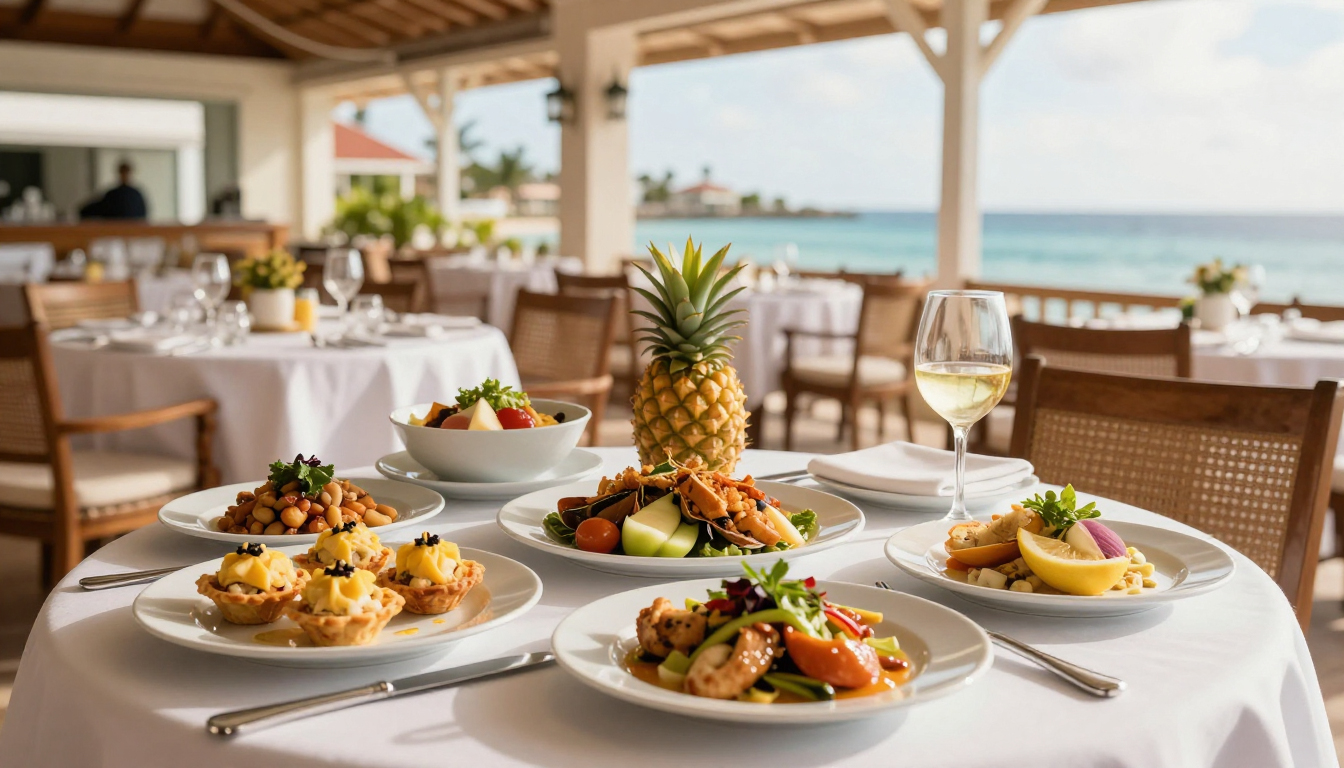
Route logic: keshi yena, pastechi, fish, stews and Dutch-Caribbean sweets are common local touchpoints. Parades, music and murals show Aruba’s cultural side beyond resorts. Keep food close to the chosen hotel area where possible: the best meals often come from market streets, harbour areas, old-town restaurants and neighbourhoods already inside the day’s route.
Plan this part of the trip

Oranjestad: colourful capital, harbour and shopping base
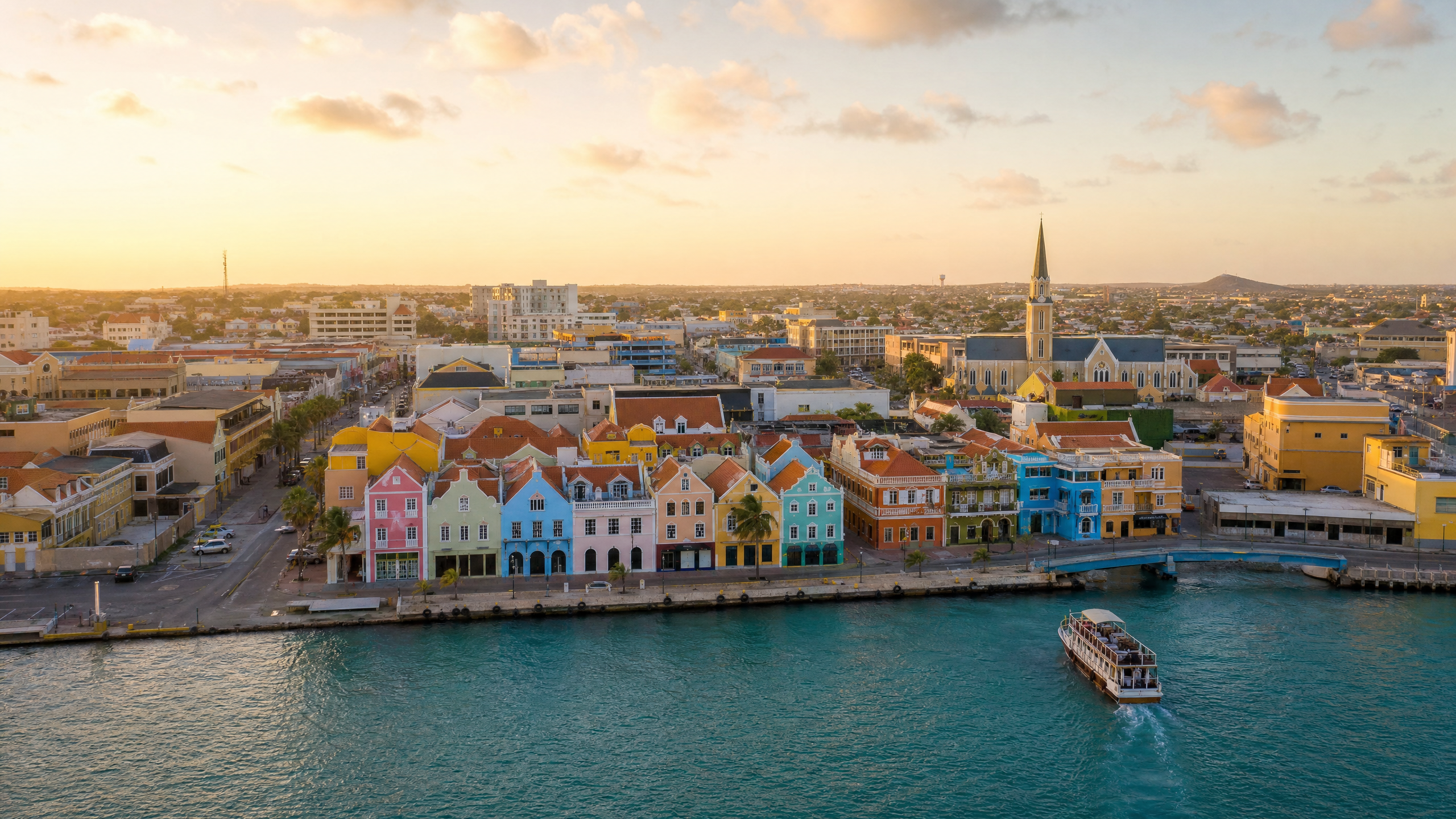
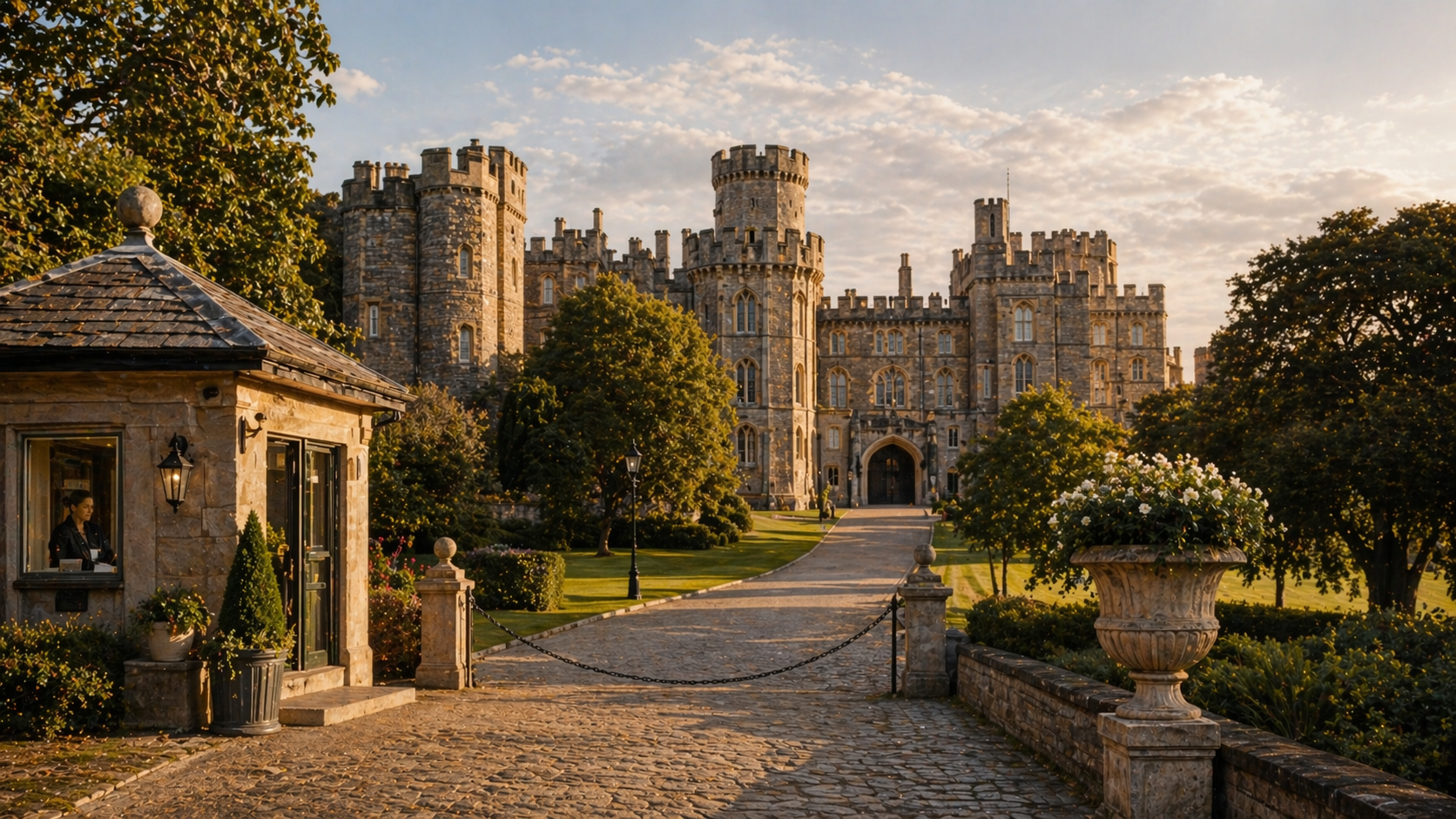
Best for: Treat Oranjestad as the part of Aruba where colourful capital, harbour and shopping base becomes useful for the wider route. Oranjestad adds city colour to an Aruba beach stay, with harbour streets, Dutch-Caribbean facades, museums, shopping and easy links to resort areas. It is best used for a compact culture-and-food break rather than as the main base for every beach day.
Historic landmarks: Oranjestad Harbourfront, Fort Zoutman, Main Street and Tram Route, Archaeological Museum of Aruba and Fort Zoutman Historical Museum should shape the sightseeing plan. Use it for a short city walk. Pair with central streets and cafes.
Museums and attractions: Choose the hotel area around Downtown Oranjestad and Eagle Beach Edge. Pick the district that makes arrival, evening movement and the first full day easier.
Hotels and stay areas: Oranjestad also needs a food layer. Build meals around pastechi, keshi yena, fresh fish, stoba, pan bati, Harbourfront, Downtown Streets and Resort Corridor Nearby so the visitor has a reason to slow down between museums, viewpoints and transfers.
Food and restaurants: Eagle Beach and Arikok National Park can extend the stay when there is enough time. A calmer beach base close to the capital. A rugged island contrast by car or tour.




Palm Beach: high-rise resorts, nightlife and easy beach services
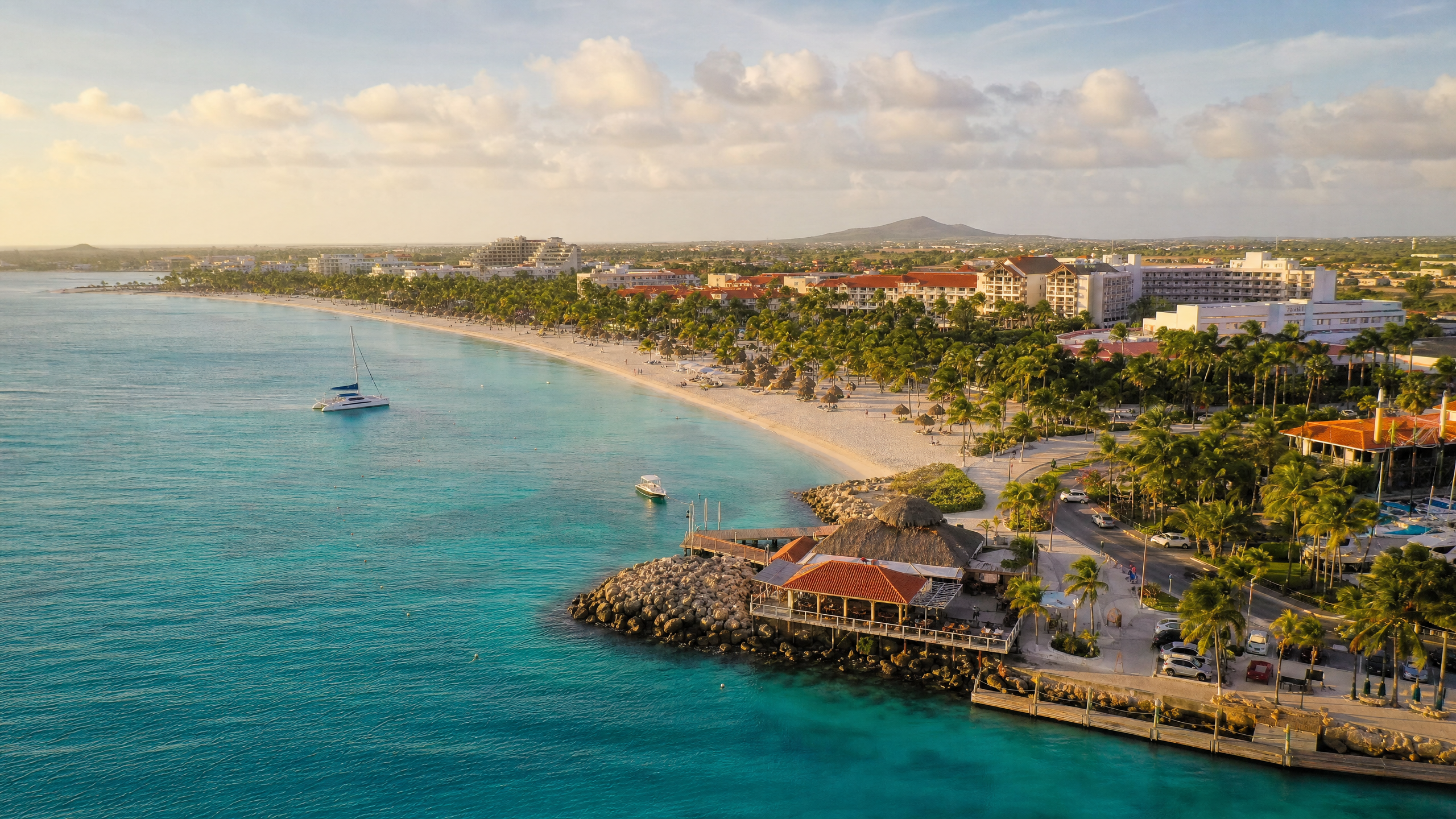
Best for: Palm Beach works better as a lived-in stop than as a fast photo pin, with high-rise resorts, nightlife and easy beach services shaping the day. Palm Beach is Aruba’s most developed resort zone, suited to travellers who want beach facilities, restaurants, water sports, nightlife and a simple hotel-led stay. It works well when convenience matters, but quieter travellers should plan escapes to Eagle Beach or Arikok.
Historic landmarks: Palm Beach Strip, Water Sports Operators, Noord Area, Malmok and Boca Catalina Nearby, Resort Strip Culture and Nearby Alto Vista Chapel should shape the sightseeing plan. Choose it for convenience rather than solitude. Compare operators and conditions before booking.
Museums and attractions: Choose the hotel area around High-Rise Hotel Zone and Noord Apartments. Pick the district that makes arrival, evening movement and the first full day easier.
Hotels and stay areas: Palm Beach also needs a food layer. Build meals around fresh fish, keshi yena, pastechi, pan bati, seafood platters, Palm Beach Strip, Beachfront Hotels and Noord Side Streets so the visitor has a reason to slow down between museums, viewpoints and transfers.
Food and restaurants: Eagle Beach and Arikok National Park can extend the stay when there is enough time. A calmer beach contrast nearby. A rugged half or full-day island route.
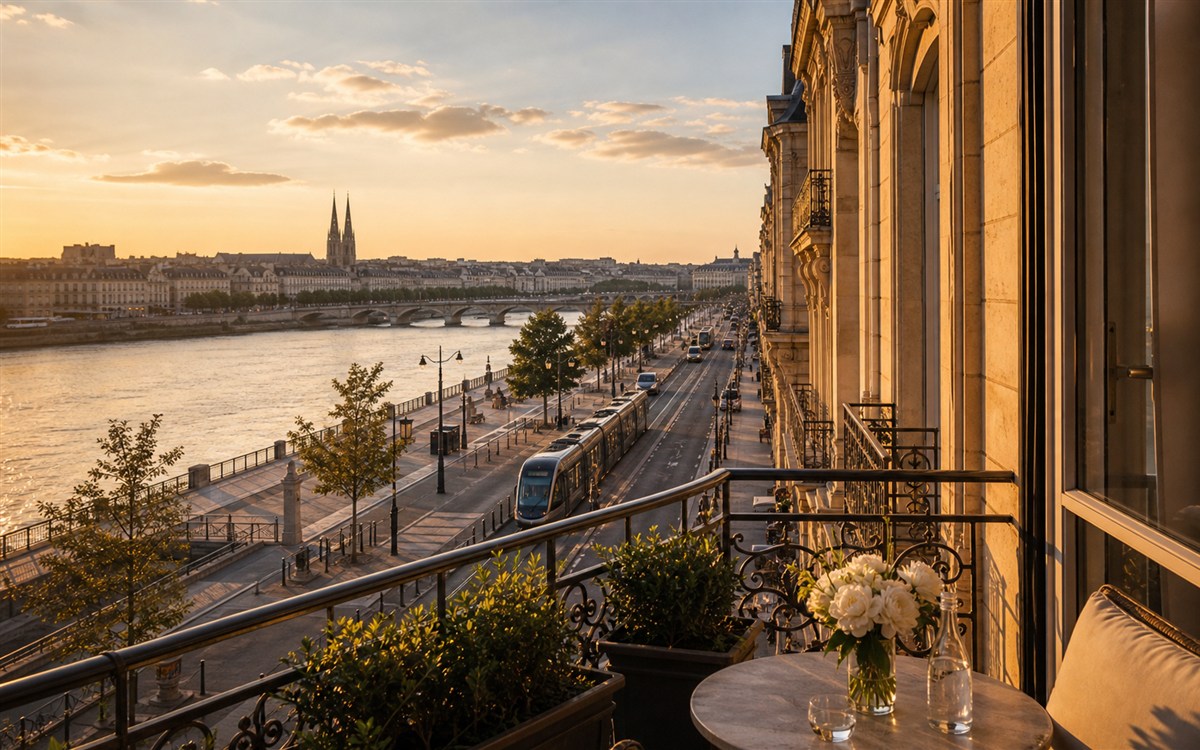
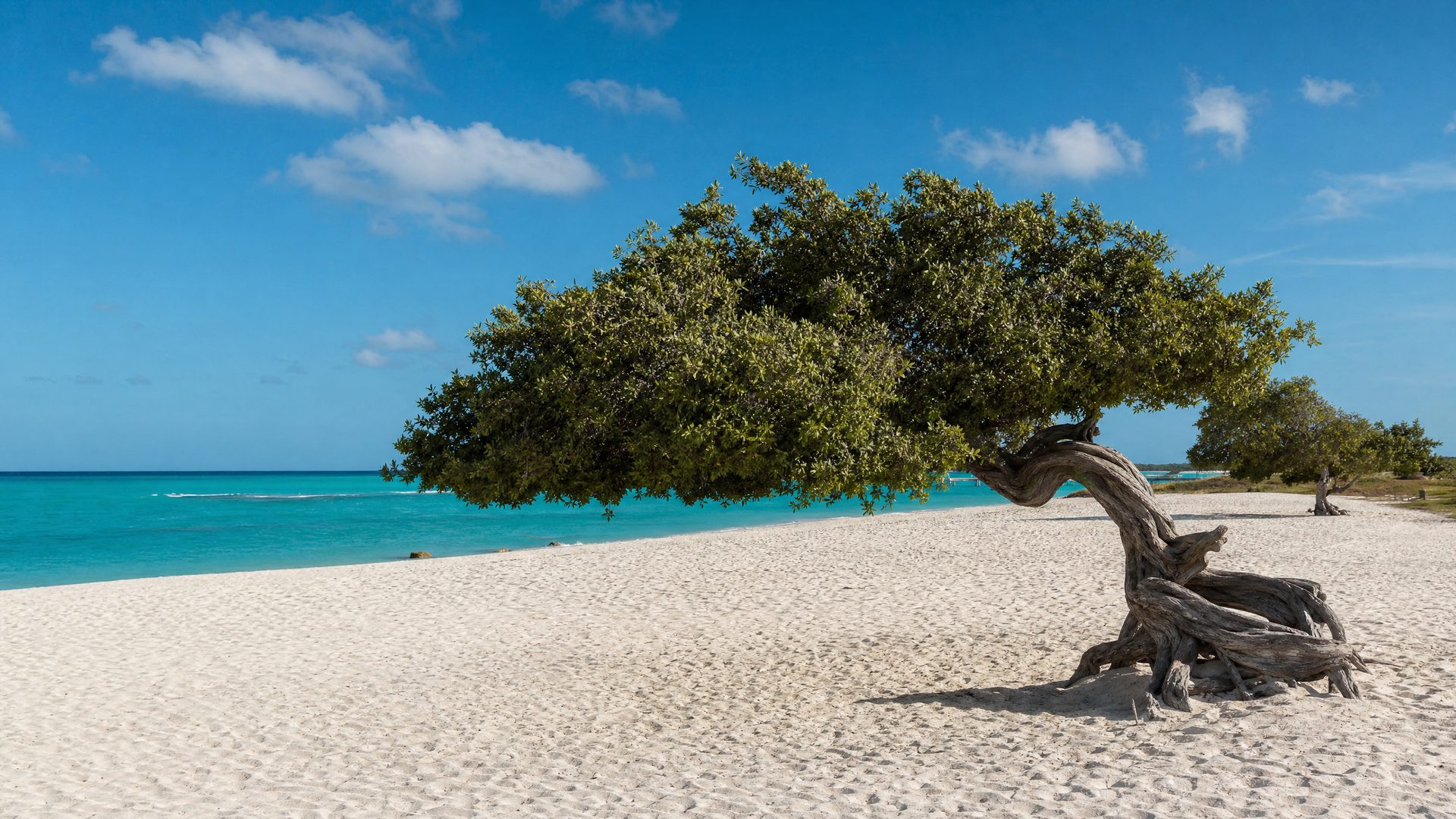
Eagle Beach: wide sand, quieter resort stays and sunset walks
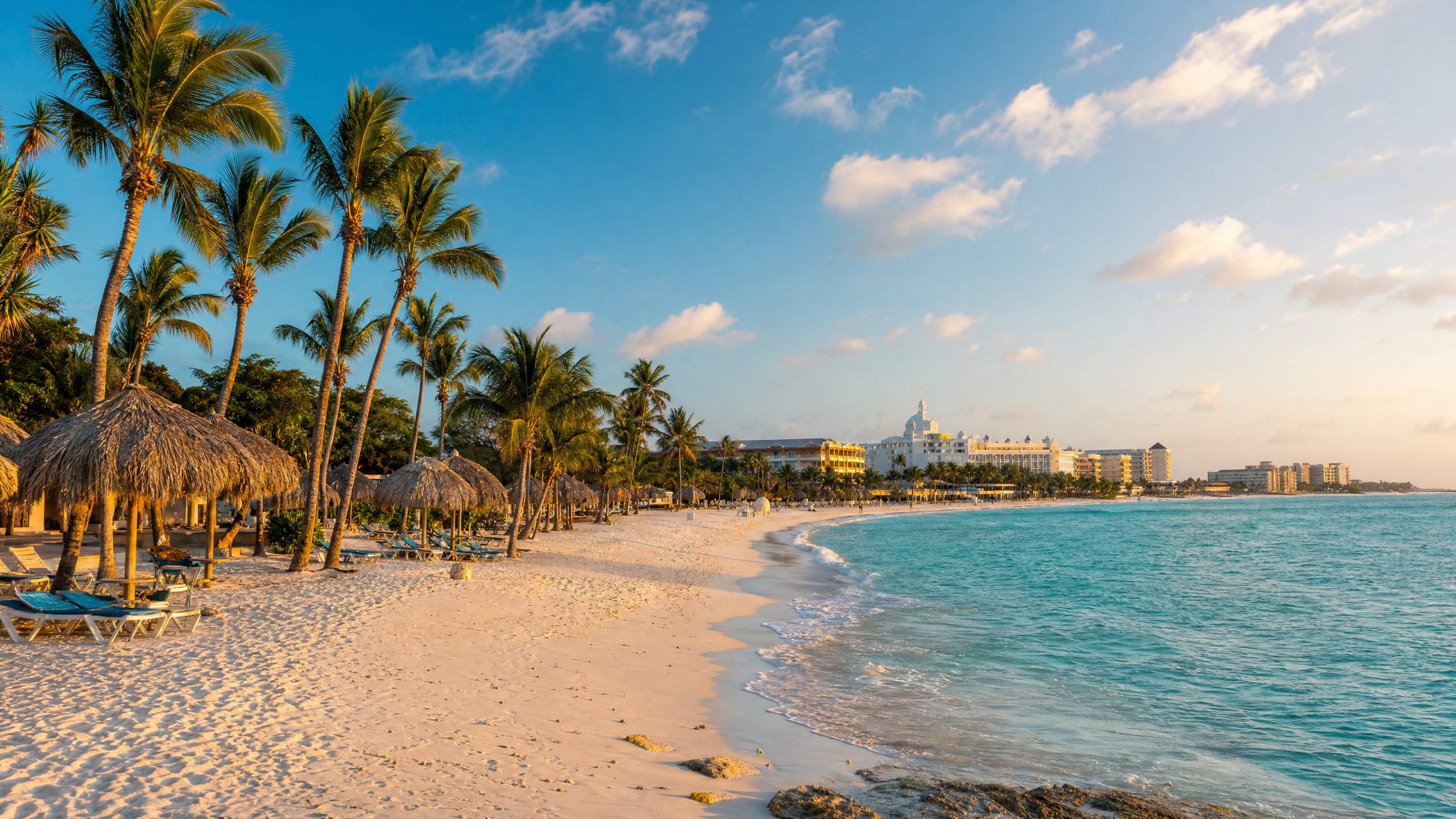
Best for: Eagle Beach works better as a lived-in stop than as a fast photo pin, with wide sand, quieter resort stays and sunset walks shaping the day. Eagle Beach suits travellers who want a broader, calmer beach base than Palm Beach, with easy access to Oranjestad and resort comforts without the busiest strip. It gives the itinerary breathing room when beach time, sunset walks and short taxi journeys matter.
Historic landmarks: Eagle Beach, Fofoti Tree Views, Low-Rise Hotel Area, Nearby Divi and Manchebo Beaches, Beach Conservation Context and Low-Rise Resort Tradition should shape the sightseeing plan. Good for long beach days and sunset walks. Keep photos respectful of protected areas.
Museums and attractions: Choose the hotel area around Eagle Beach Low-Rise Area and Manchebo Area. Pick the district that makes arrival, evening movement and the first full day easier.
Hotels and stay areas: Eagle Beach also needs a food layer. Build meals around fresh fish, keshi yena, pastechi, stoba, tropical fruit, Low-Rise Hotel Area, Eagle Beachfront and Oranjestad Nearby so the visitor has a reason to slow down between museums, viewpoints and transfers.
Food and restaurants: Oranjestad and Palm Beach can extend the stay when there is enough time. A short city and culture route. A livelier resort and dining contrast.

Arikok National Park: desert park, caves and rugged coastal scenery
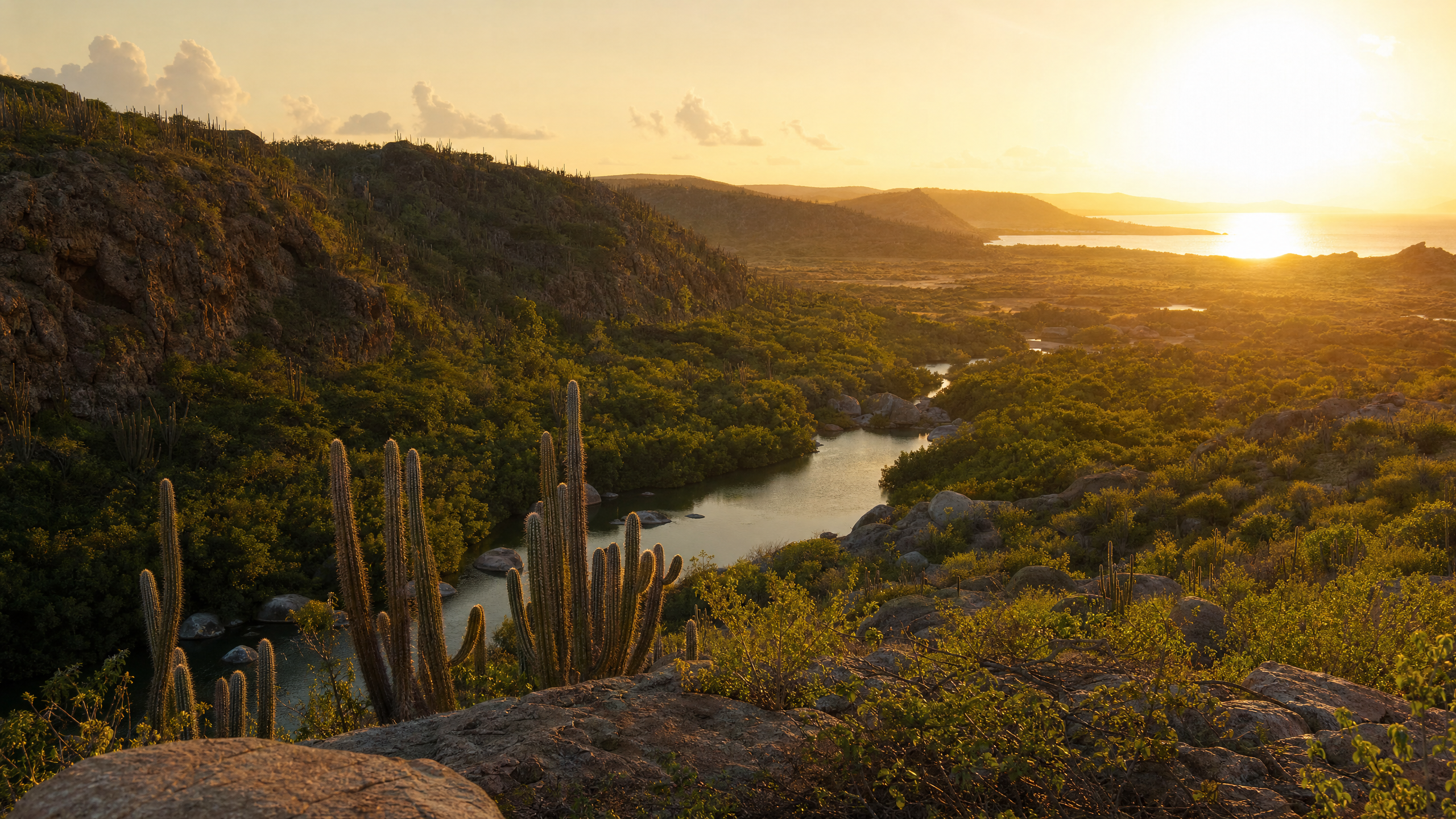
Best for: Treat Arikok National Park as the part of Aruba where desert park, caves and rugged coastal scenery becomes useful for the wider route. Arikok National Park shows Aruba beyond the resort beaches, with desert landscapes, caves, cliffs, cacti and rougher coastal scenery. It should be treated as the island’s rugged counterpoint, planned with transport, heat, water and realistic time on rougher roads.
Historic landmarks: Arikok Visitor Areas, Fontein Cave, Natural Pool Area, Boca Prins, Fontein Cave Markings and Park Conservation Context should shape the sightseeing plan. Use suitable vehicles or organised tours where needed. Follow access rules and guide instructions.
Museums and attractions: Choose the hotel area around Palm Beach or Eagle Beach and San Nicolas Side. Pick the district that makes arrival, evening movement and the first full day easier.
Hotels and stay areas: Arikok National Park also needs a food layer. Build meals around pastechi, pan bati, fresh fruit, seafood, stoba, San Nicolas Return Route, Resort Base Before or After and Park-Area Stops so the visitor has a reason to slow down between museums, viewpoints and transfers.
Food and restaurants: San Nicolas and Baby Beach can extend the stay when there is enough time. A street-art and south-coast pairing. A calmer beach stop near the southern end of the island.

Food, Culture and Route Ideas for Aruba
Food route: keshi yena, pastechi, fish, stews and Dutch-Caribbean sweets are common local touchpoints. Parades, music and murals show Aruba’s cultural side beyond resorts. The island’s dry climate and trade winds shape beach comfort and outdoor timing. This is where food, culture and route planning should work together.
Food, wine and restaurants: Build meals around pastechi, keshi yena, fresh fish, stoba, pan bati, seafood platters and tropical fruit and keep them close to Harbourfront, Downtown Streets, Resort Corridor Nearby, Palm Beach Strip and Beachfront Hotels.
Popular experiences: Choose Palm Beach or Eagle Beach for accommodation, then add Oranjestad and Arikok as structured outings. Do not spend every day on one beach if rugged coast and caves are priorities. Keep the route disciplined: one clear hotel area, one strong regional layer and one food or culture experience will usually feel better than trying to touch every possible stop.
Planning rule: Use bookings in a clean order: choose the hotel area first, then add attraction tickets, food tours, guided days and local experiences where they make the journey easier, richer and more realistic.