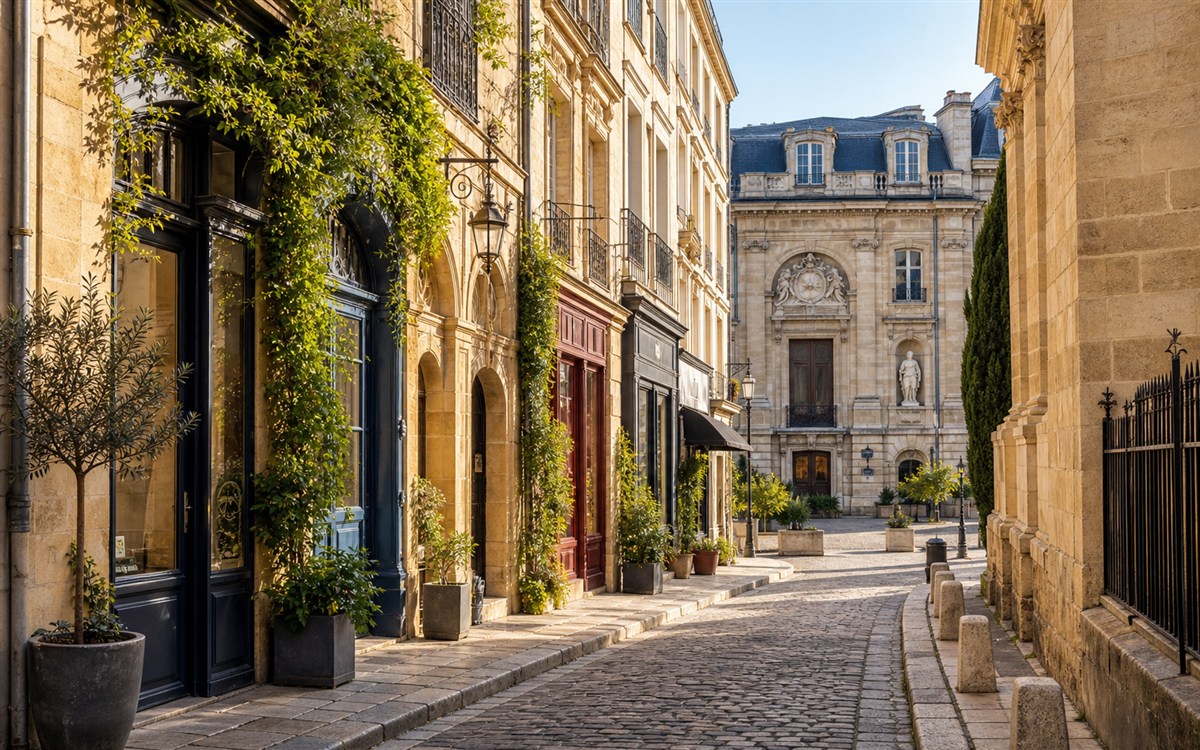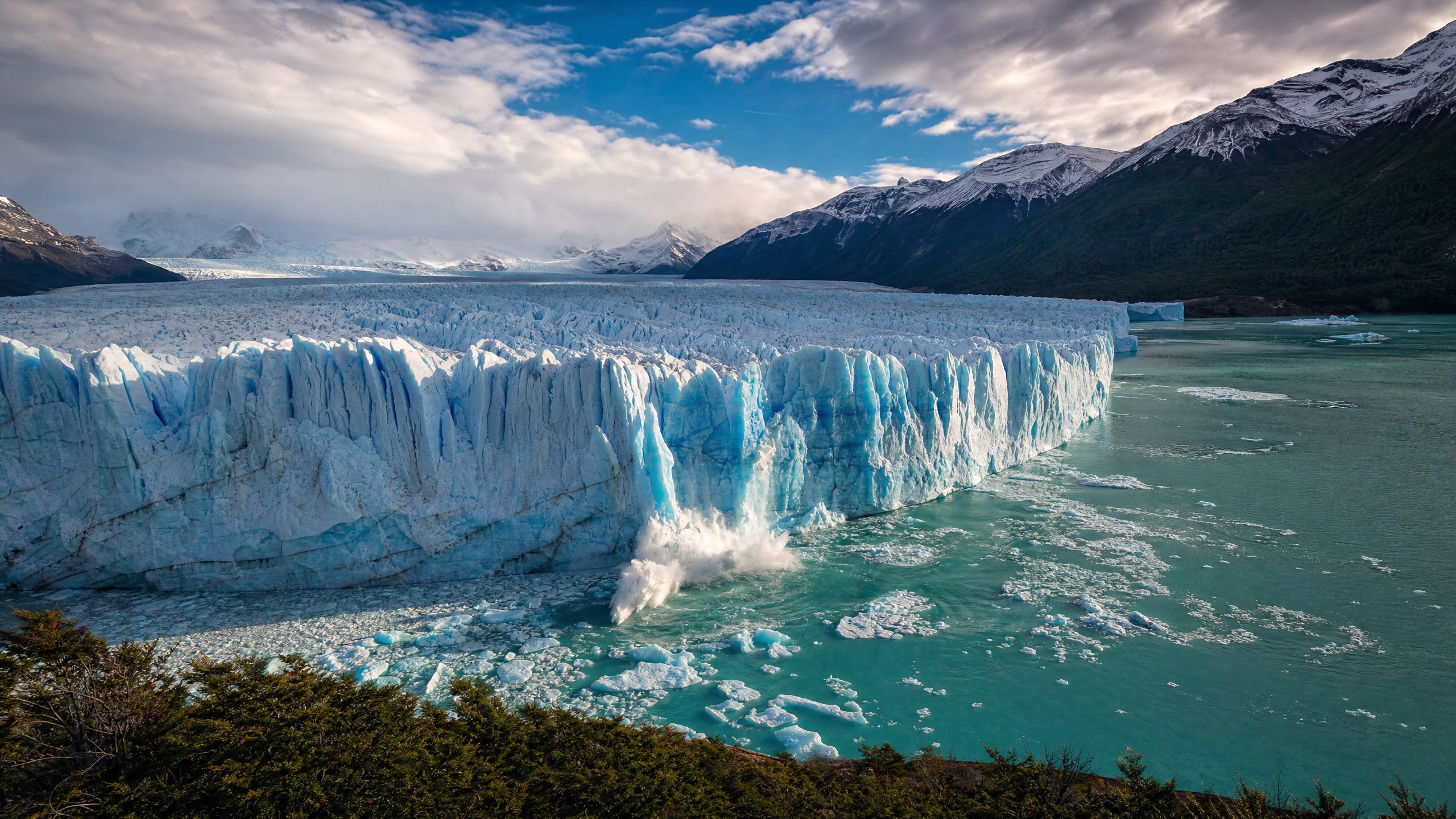
Argentina Travel, Structured Around Buenos Aires, Patagonia and Wine Routes
Plan Argentina through Buenos Aires, Mendoza, Patagonia, Bariloche, Iguazu Falls, Salta, wine regions, food, hotels, domestic flights and long-distance routes.
Start Planning ArgentinaArgentina Travel Guide: Routes, Stay Bases, Culture and Experiences
Trip shape: A good Argentina plan starts by removing noise, then adding only what fits. The practical starting point should come from Buenos Aires, Mendoza, Patagonia and Bariloche and Iguazú Falls, while Patagonia, Iguazu Falls, Northwest Argentina and First Argentina Trip should be added only when they improve the journey instead of scattering it.
Best for: Patagonia, Iguazu Falls, Northwest Argentina and First Argentina Trip give Argentina its deeper travel layer. Some visitors need one main city and one day trip; others should slow down, split the journey and give the strongest region its own nights.
Planning rule: Start with arrival logic, season and the first overnight point, then add the experiences that genuinely deserve advance planning. Museums, landmarks, guided tours, food walks, local neighbourhoods and coastal or countryside days should be grouped by geography and timing.
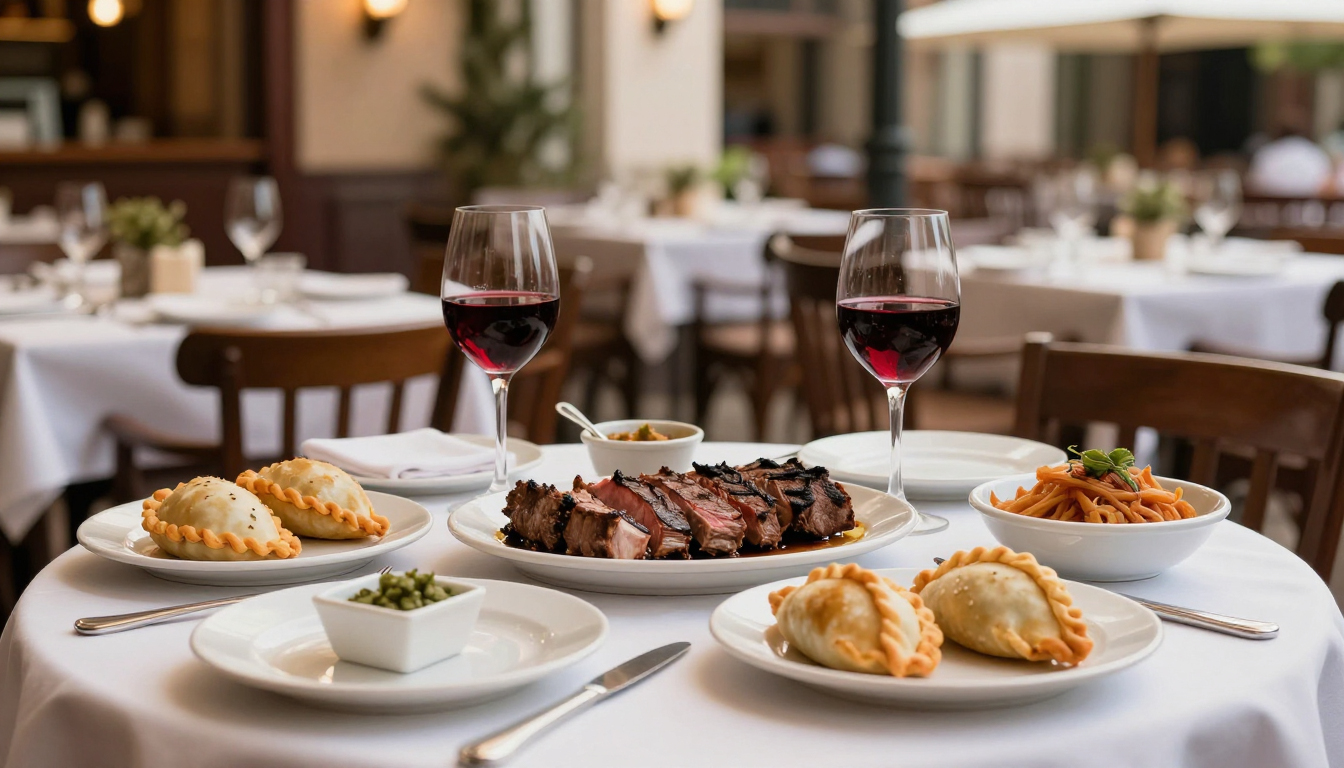
Route logic: Grilled beef, Malbec, empanadas, ice cream and cafe culture shape many meals. Music, dance halls, football and late dinners give city evenings their rhythm. Keep food close to the chosen hotel area where possible: the best meals often come from market streets, harbour areas, old-town restaurants and neighbourhoods already inside the day’s route.
Buenos Aires: tango, cafes and neighbourhood culture
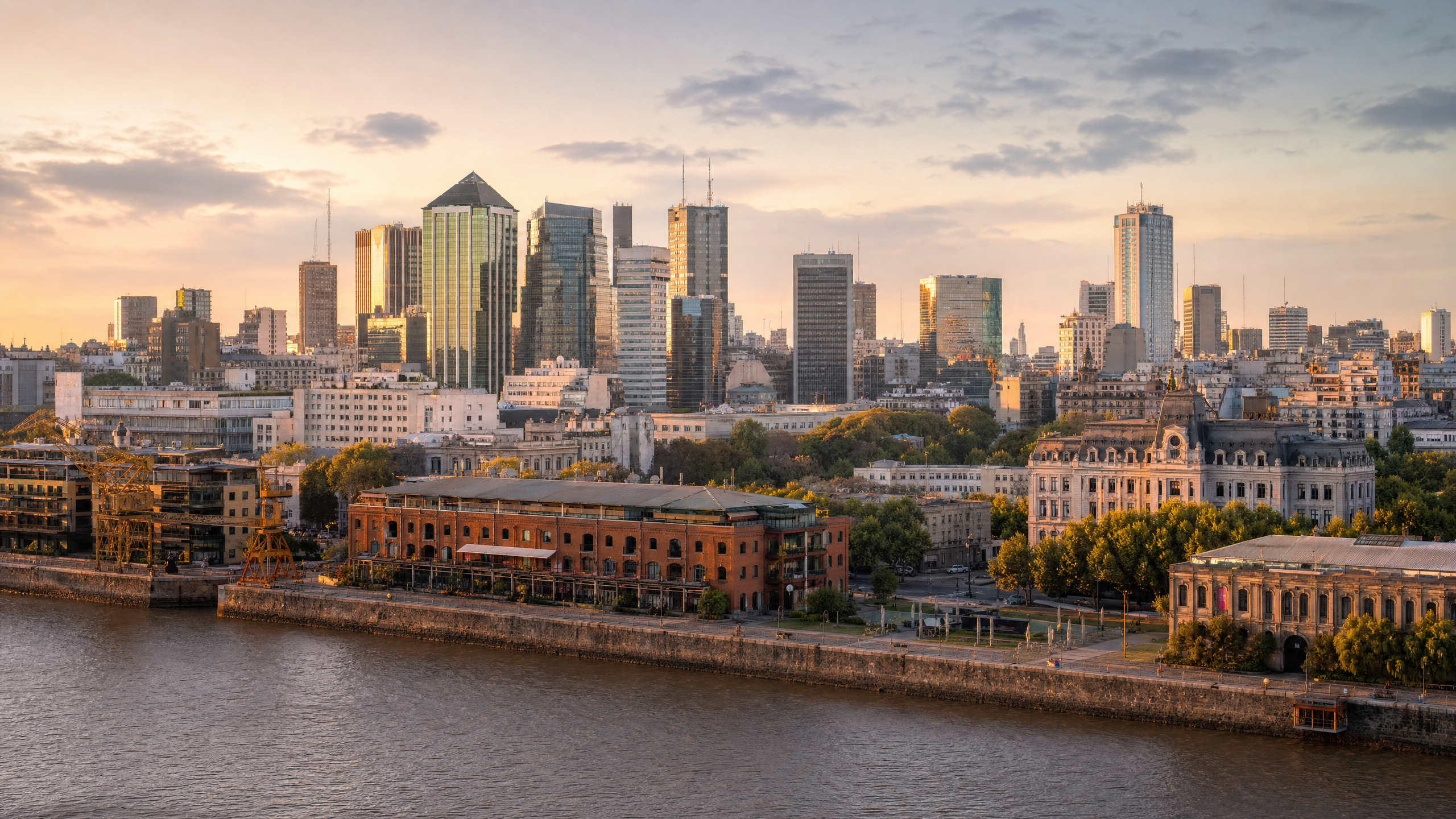
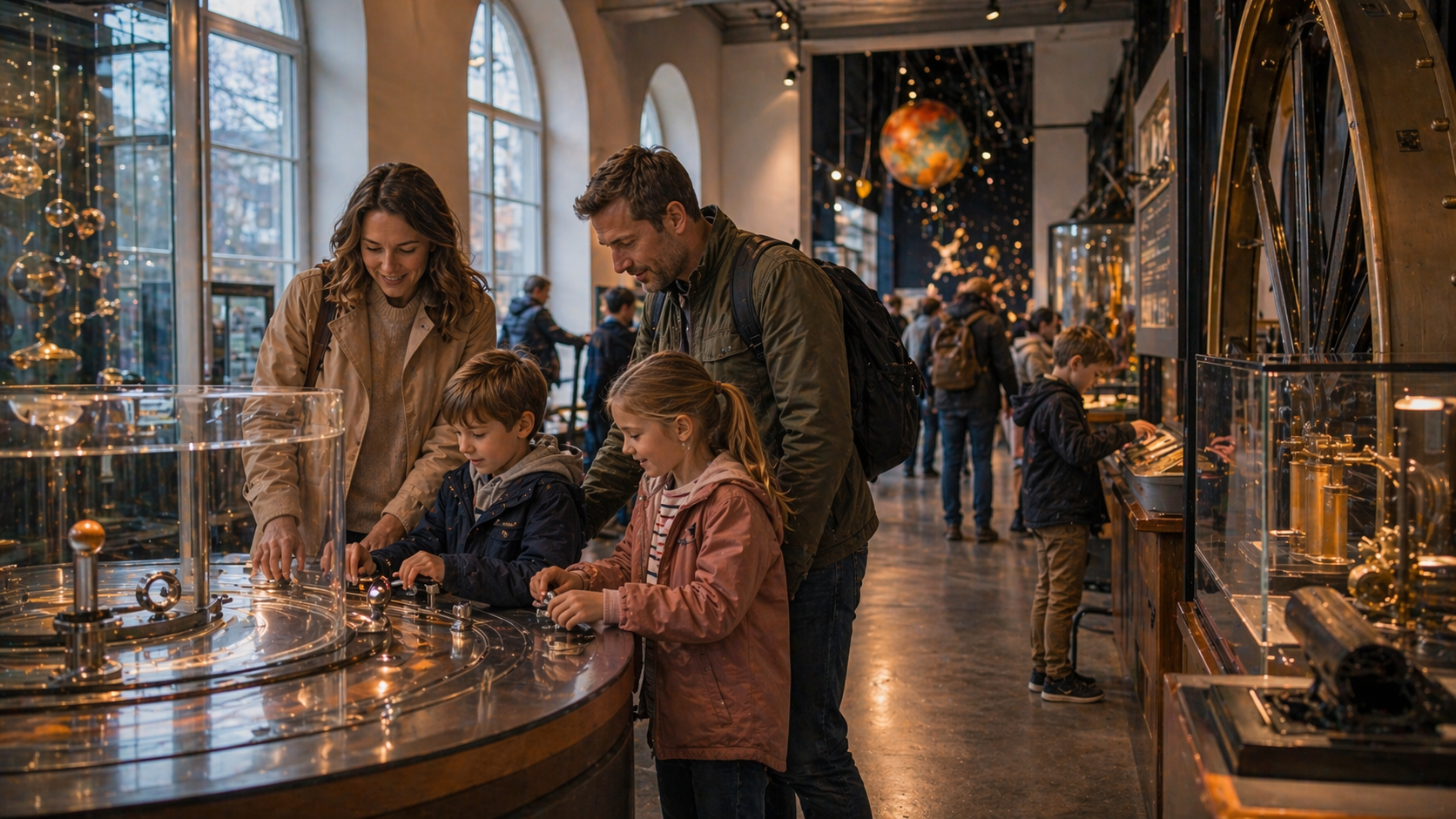
Best for: For Buenos Aires, the first decision is pace: give the city enough room to show its tango, cafes and neighbourhood culture. Buenos Aires is Argentina's essential first base, with grand avenues, neighbourhood cafes, tango, museums, markets and restaurants that reward slow district planning. Palermo, Recoleta, San Telmo and La Boca each work differently, so a good stay is built around neighbourhood rhythm.
Historic landmarks: Recoleta Cemetery and Cultural Area, San Telmo Market and Streets, La Boca and Caminito, Teatro Colón, MALBA and Museo Nacional de Bellas Artes should shape the sightseeing plan. Pair it with nearby parks or galleries. Sunday is lively but busier.
Museums and attractions: Choose the hotel area around Palermo, Recoleta and San Telmo. Pick the district that makes arrival, evening movement and the first full day easier.
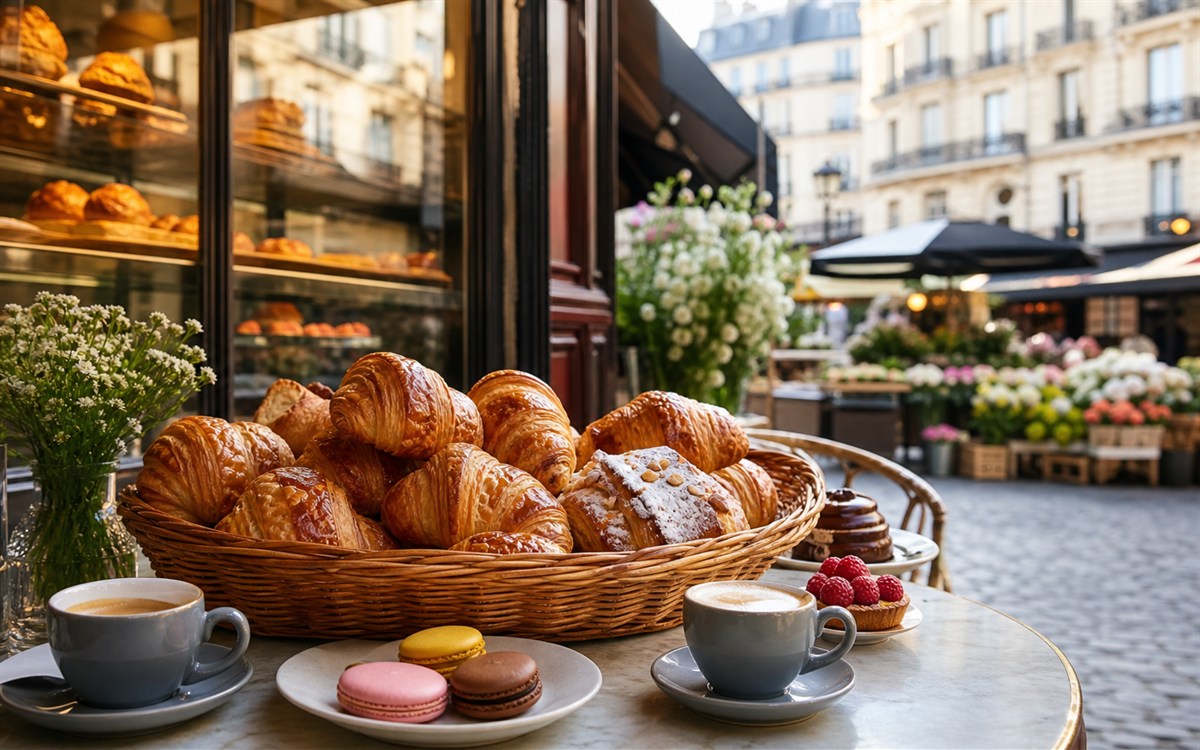
Hotels and stay areas: Buenos Aires also needs a food layer. Build meals around asado, empanadas, Malbec, dulce de leche, milanesa, helado, Palermo and San Telmo so the visitor has a reason to slow down between museums, viewpoints and transfers.
Food and restaurants: Tigre Delta and Colonia del Sacramento can extend the stay when there is enough time. A river and islands day route from the capital. A ferry-linked Uruguay extension when schedules fit.
Mendoza: wine country, Andes views and slow meals
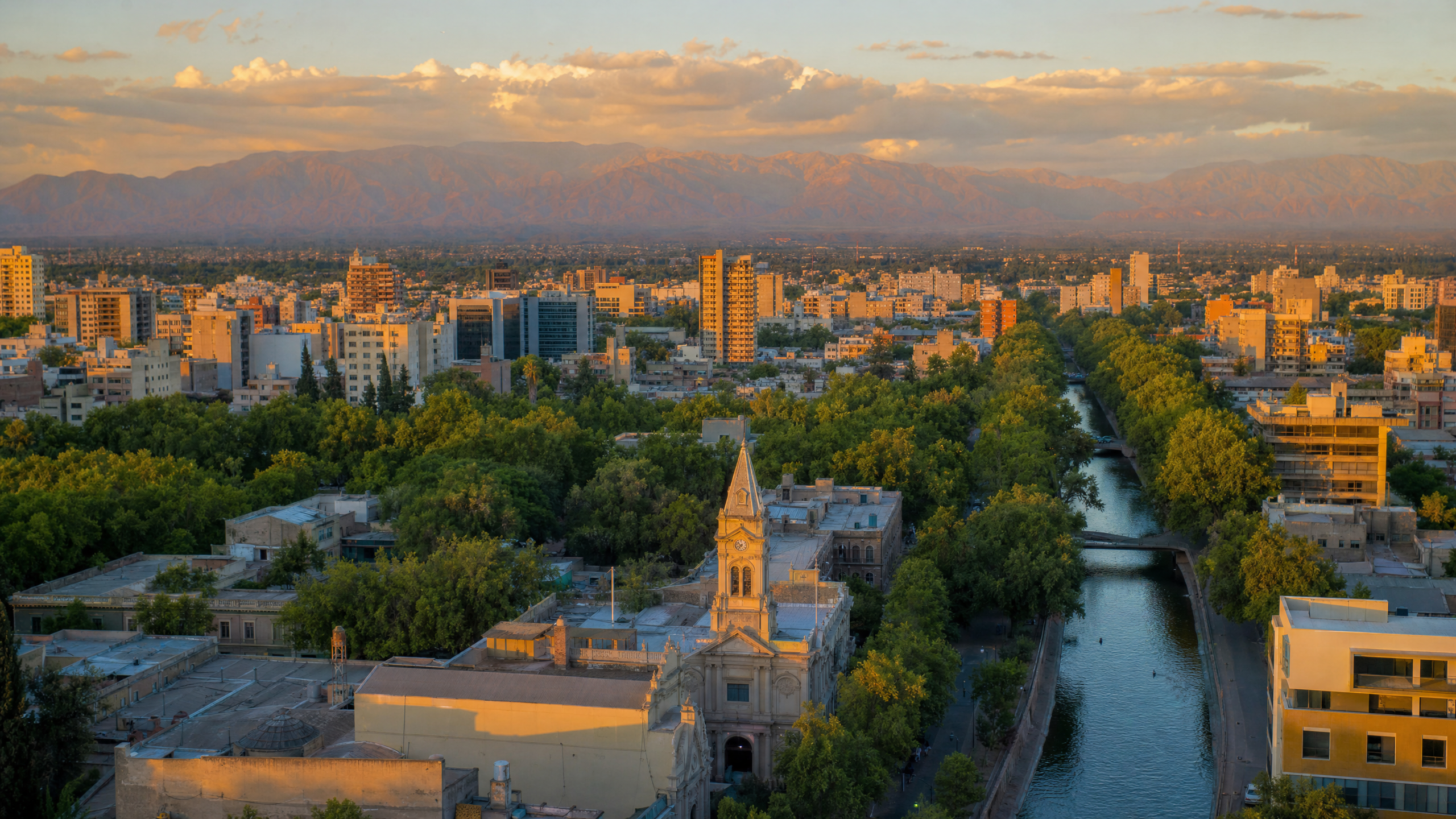
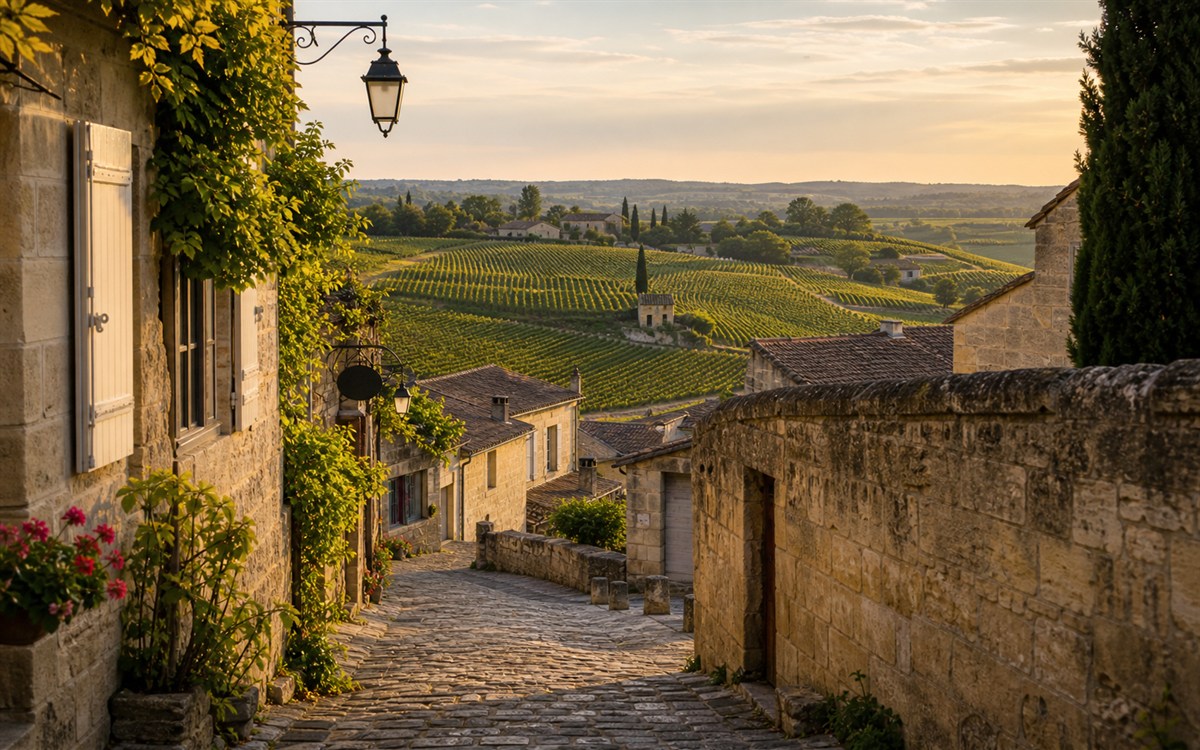
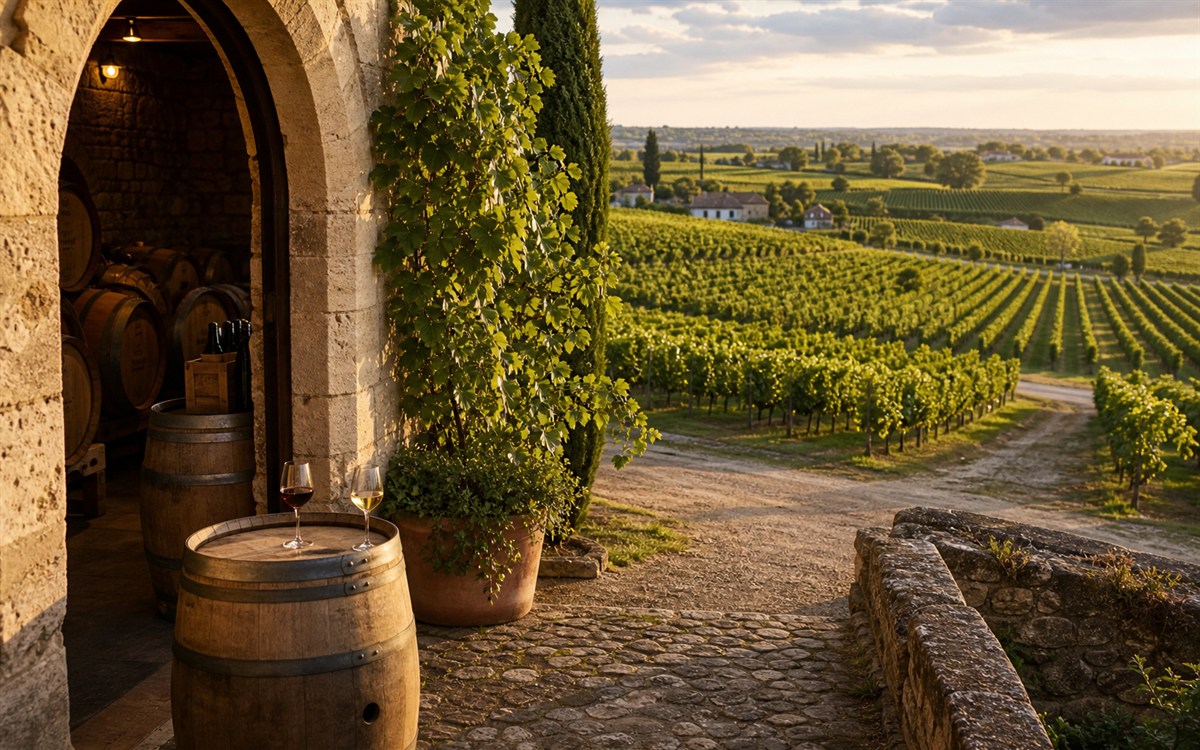
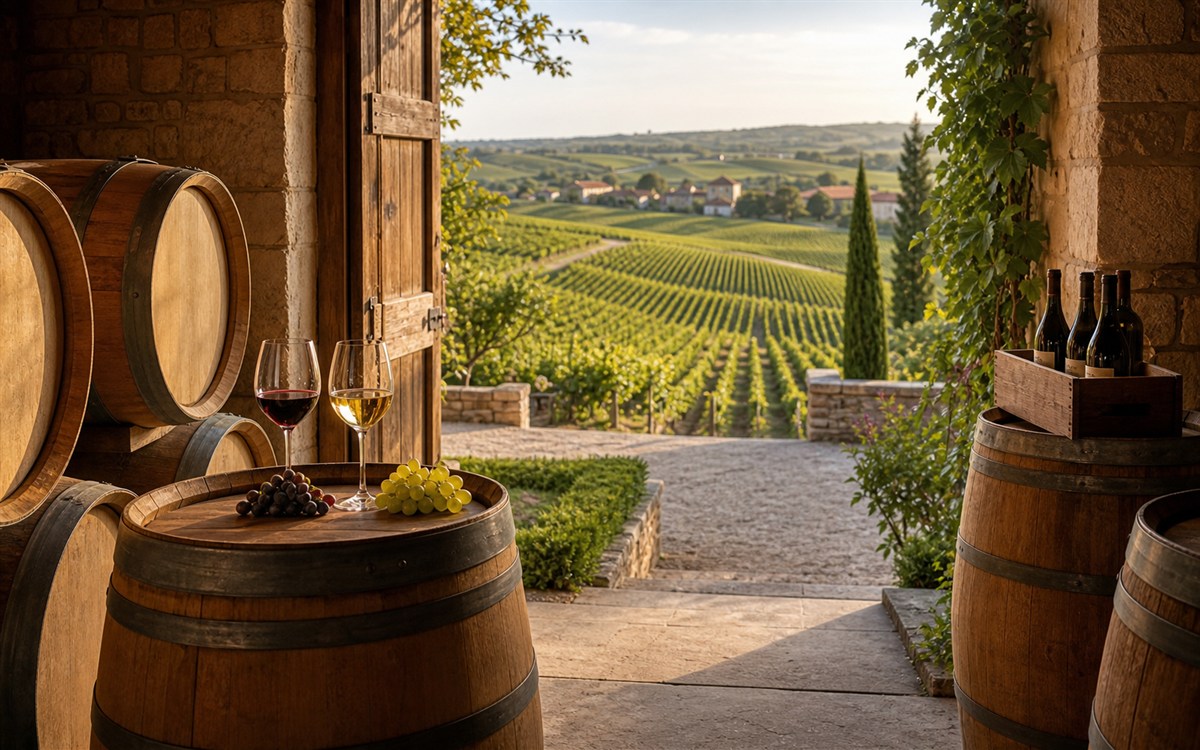
Best for: Mendoza works better as a lived-in stop than as a fast photo pin, with wine country, Andes views and slow meals shaping the day. Mendoza is Argentina's wine and Andes chapter, with vineyard lunches, mountain views, plazas and day routes that need a slower pace than a city stop. It is strongest when wineries, drivers and long meals are planned as the centre of the visit.
Historic landmarks: Maipú Wine Route, Luján de Cuyo and Uco Valley, Plaza Independencia and City Centre, Andes High Mountain Route, Museo del Área Fundacional and Wine Estate Visits should shape the sightseeing plan. Use guided transport or drivers if tasting wine. Book winery meals and transport early.
Museums and attractions: Choose the hotel area around Mendoza City, Chacras de Coria and Uco Valley. Pick the district that makes arrival, evening movement and the first full day easier.
Hotels and stay areas: Mendoza also needs a food layer. Build meals around Malbec, asado, empanadas mendocinas, olive oil, locro, grilled vegetables, City Centre and Aristides and Chacras de Coria so the visitor has a reason to slow down between museums, viewpoints and transfers.
Food and restaurants: Uco Valley and Andes Route can extend the stay when there is enough time. The major scenic wine extension from Mendoza. A high-mountain day route needing season-aware planning.
Patagonia and Bariloche: lakes, mountains and alpine-style stays
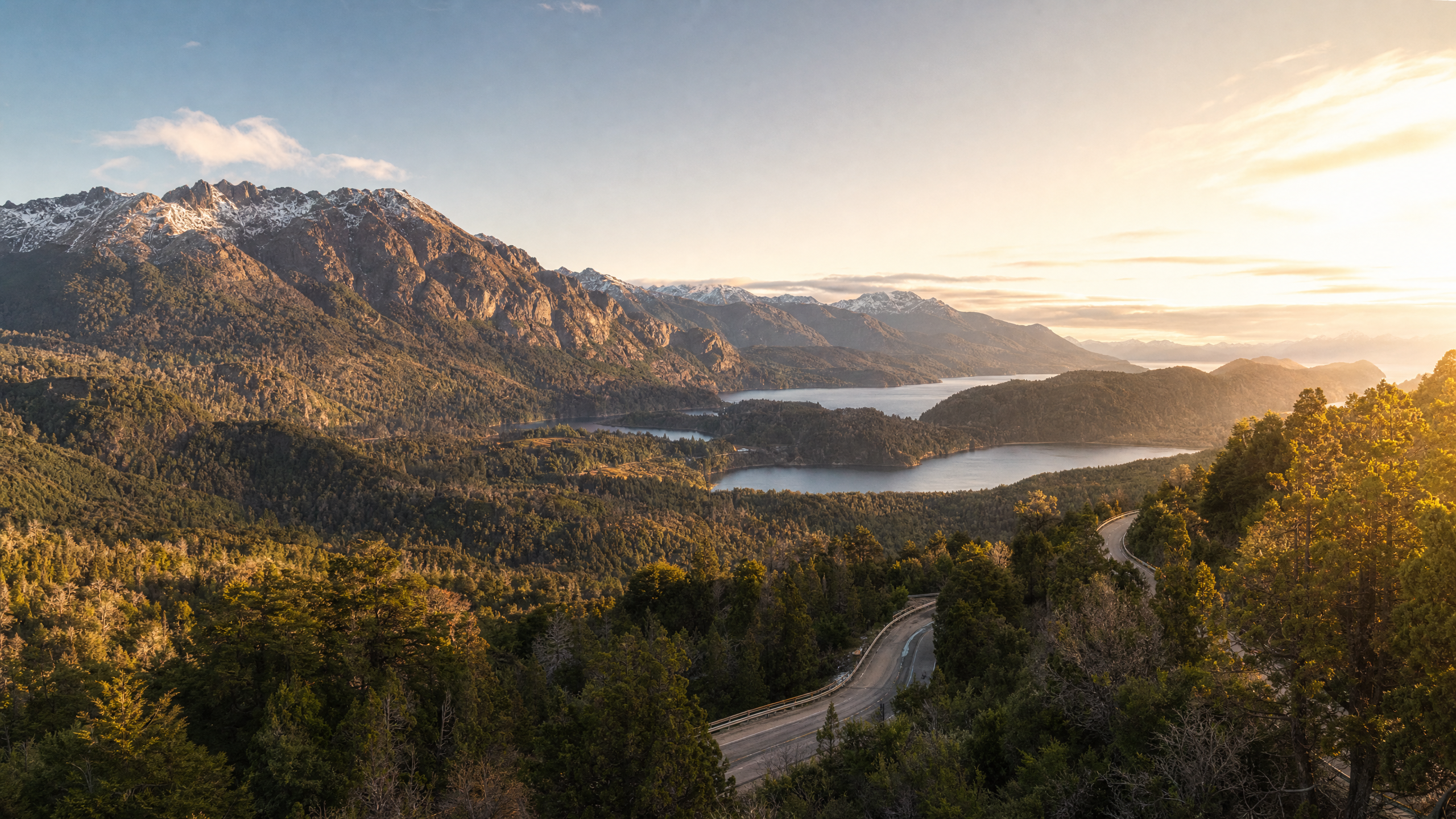
Best for: Patagonia and Bariloche deserves a proper place in the Argentina plan, especially when the trip needs lakes, mountains and alpine-style stays. Bariloche gives Patagonia a lake-and-mountain entry point, with scenic drives, chocolate shops, hiking, winter sports and road routes that need weather buffer. It works as an accessible northern Patagonian base before travellers commit to longer, more remote southern routes.
Historic landmarks: Circuito Chico, Cerro Campanario, Nahuel Huapi Lake, Cerro Catedral, Museo de la Patagonia and Chocolate Shops and Alpine Heritage should shape the sightseeing plan. Allow stops and avoid rushing the road. Go when visibility is good.
Museums and attractions: Choose the hotel area around Bariloche Centre, Llao Llao and Peninsula and Cerro Catedral. Pick the district that makes arrival, evening movement and the first full day easier.
Hotels and stay areas: Patagonia and Bariloche also needs a food layer. Build meals around Patagonian lamb, trout, chocolate, craft beer, fondue, berry desserts, Bariloche Centre and Llao Llao Peninsula so the visitor has a reason to slow down between museums, viewpoints and transfers.
Food and restaurants: Seven Lakes Route and El Bolsón can extend the stay when there is enough time. A scenic road route toward San Martín de los Andes. A slower mountain town and craft route south of Bariloche.
Iguazú Falls: waterfall trails, rainforest and flight planning
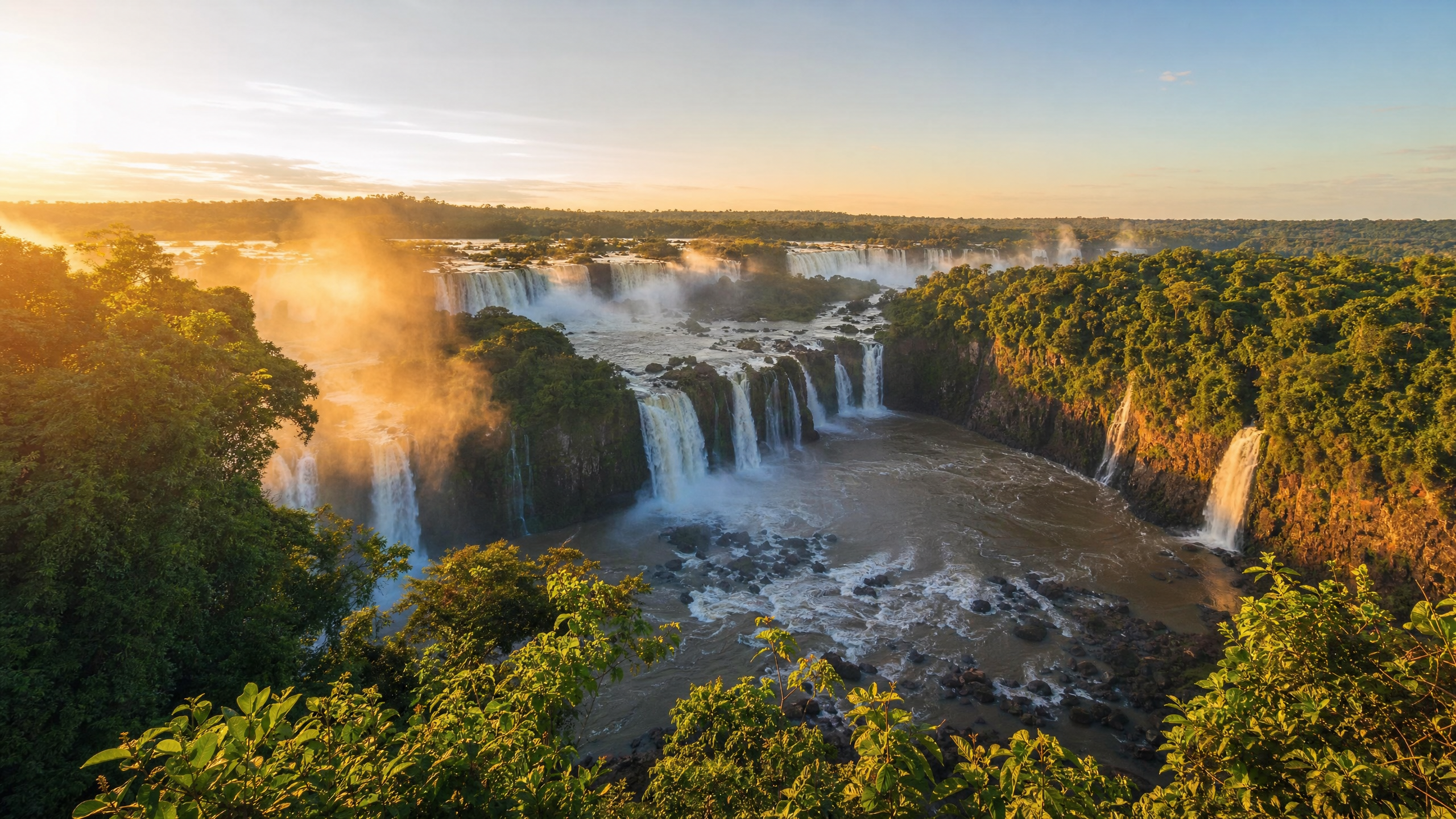
Best for: The value of Iguazú Falls is not only the headline sights; it gives the itinerary waterfall trails, rainforest and flight planning and a clearer local rhythm. Iguazú Falls is Argentina's major subtropical nature extension, with trail systems, rainforest, viewpoints and cross-border logistics that work best with at least two nights. It gives a very different landscape from Buenos Aires or Mendoza and deserves a clear park-first schedule.
Historic landmarks: Argentinian Side Trails, Garganta del Diablo Area, Brazilian Side Views, Puerto Iguazú Town, Iguazú National Park Visitor Centre and Guaraní Cultural Context should shape the sightseeing plan. Allow a full day because the park is extensive. Check current trail conditions before going.
Museums and attractions: Choose the hotel area around Puerto Iguazú and Near the Park. Pick the district that makes arrival, evening movement and the first full day easier.
Hotels and stay areas: Iguazú Falls also needs a food layer. Build meals around river fish, empanadas, asado, mate, tropical fruit, chipá, Puerto Iguazú Centre and Park Hotel Area so the visitor has a reason to slow down between museums, viewpoints and transfers.
Food and restaurants: Brazilian Side of the Falls and Buenos Aires Flights can extend the stay when there is enough time. A natural cross-border extension with document planning. The usual link back to the main Argentina route.
Food, Culture and Route Ideas for Argentina
Food route: Grilled beef, Malbec, empanadas, ice cream and cafe culture shape many meals. Music, dance halls, football and late dinners give city evenings their rhythm. The Andes, subtropical falls and Patagonian lakes require separate pacing. This is where food, culture and route planning should work together.
Food, wine and restaurants: Build meals around asado, empanadas, Malbec, dulce de leche, milanesa, helado and empanadas mendocinas and keep them close to Palermo, San Telmo, Recoleta, City Centre and Aristides and Chacras de Coria.
Popular experiences: Use Buenos Aires as the base, then add Mendoza, Iguazú or Patagonia as one clear extension. Pair Buenos Aires with Mendoza when restaurants, markets and vineyard days matter most. Keep the route disciplined: one clear hotel area, one strong regional layer and one food or culture experience will usually feel better than trying to touch every possible stop.
Planning rule: Use bookings in a clean order: choose the hotel area first, then add attraction tickets, food tours, guided days and local experiences where they make the journey easier, richer and more realistic.