Antigua and Barbuda Travel, Structured Around Beaches, Harbours and Island Escapes
Plan Antigua and Barbuda through St John’s, English Harbour, Nelson’s Dockyard, beach resorts, sailing, snorkelling, Barbuda escapes, hotels, flights and boat routes.
Start Planning Antigua and BarbudaAntigua and Barbuda Travel Guide: Routes, Stay Bases, Culture and Experiences
Trip shape: Read Antigua and Barbuda as a route first and a destination list second. Use St John’s, English Harbour, Jolly Harbour and Barbuda to make the trip practical, then use Antigua beaches, English Harbour and Barbuda routes, Food and Heritage Routes, Nature, Coast and Viewpoints and First Antigua Stay to give it texture, food, landscape and local rhythm.
Best for: Antigua beaches, English Harbour and Barbuda routes, Food and Heritage Routes, Nature, Coast and Viewpoints and First Antigua Stay give Antigua and Barbuda its deeper travel layer. Some visitors need one main city and one day trip; others should slow down, split the journey and give the strongest region its own nights.
Planning rule: Start with arrival logic, season and the first overnight point, then add the experiences that genuinely deserve advance planning. Museums, landmarks, guided tours, food walks, local neighbourhoods and coastal or countryside days should be grouped by geography and timing.
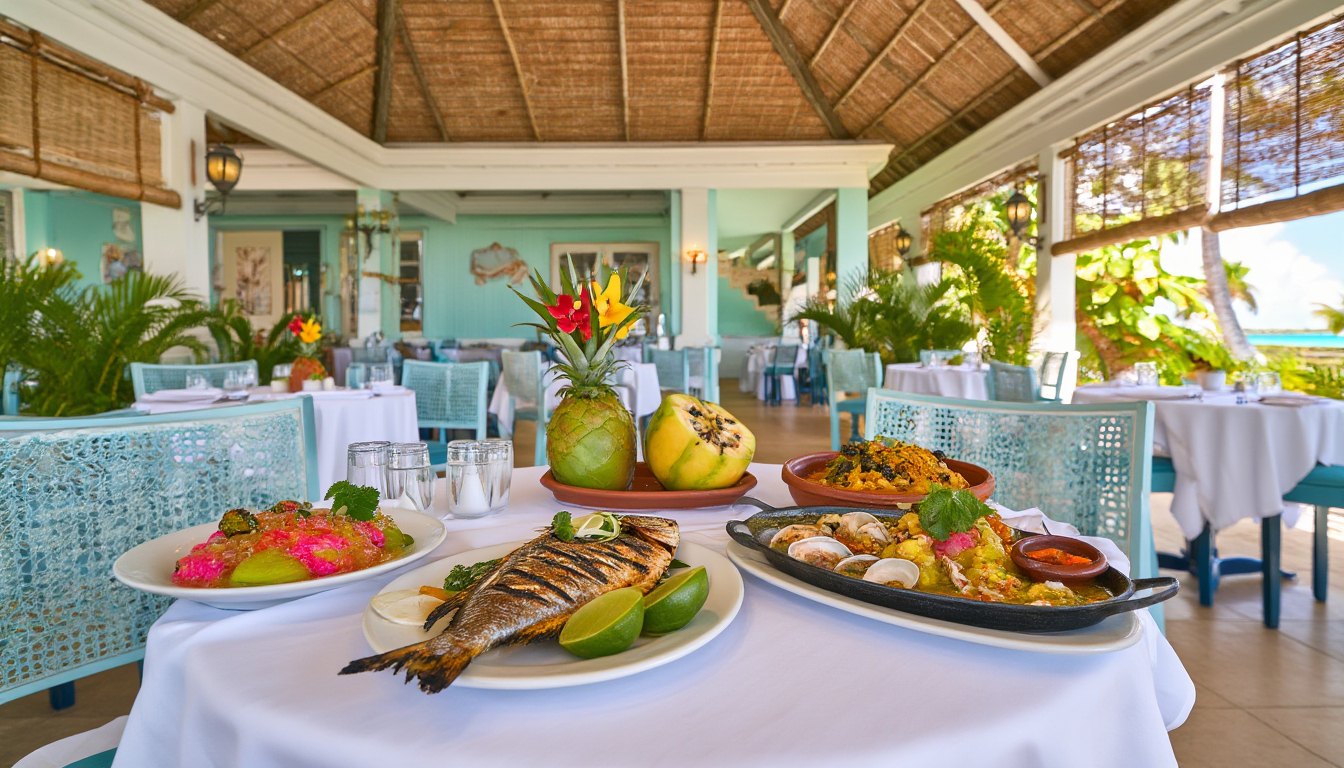
Route logic: Fish, lobster in season, ducana, fungi and pepperpot give meals island identity. Regattas and yacht events shape harbour life at key times of year. Keep food close to the chosen hotel area where possible: the best meals often come from market streets, harbour areas, old-town restaurants and neighbourhoods already inside the day’s route.

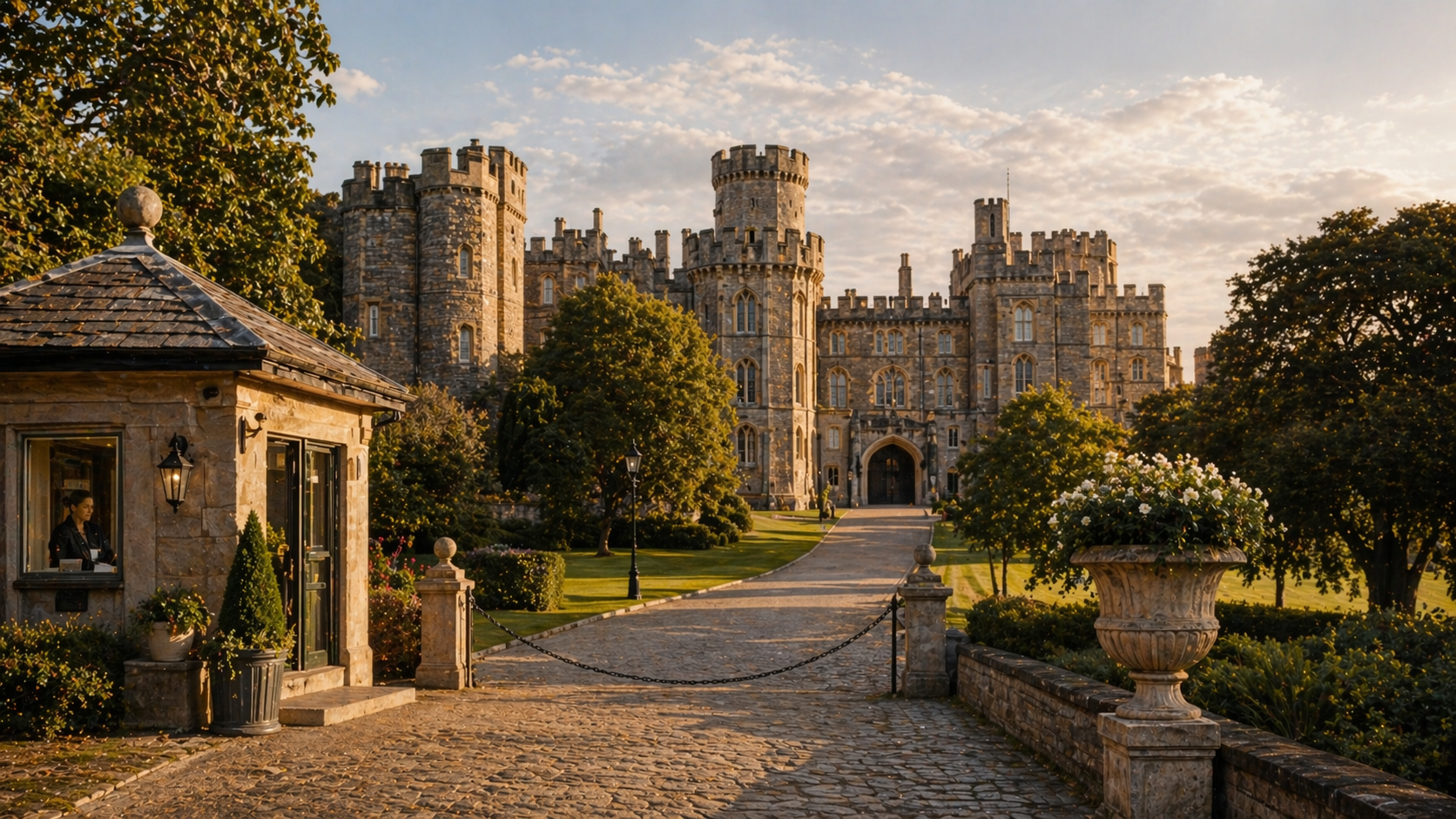

St John’s: capital, market and cruise-port context
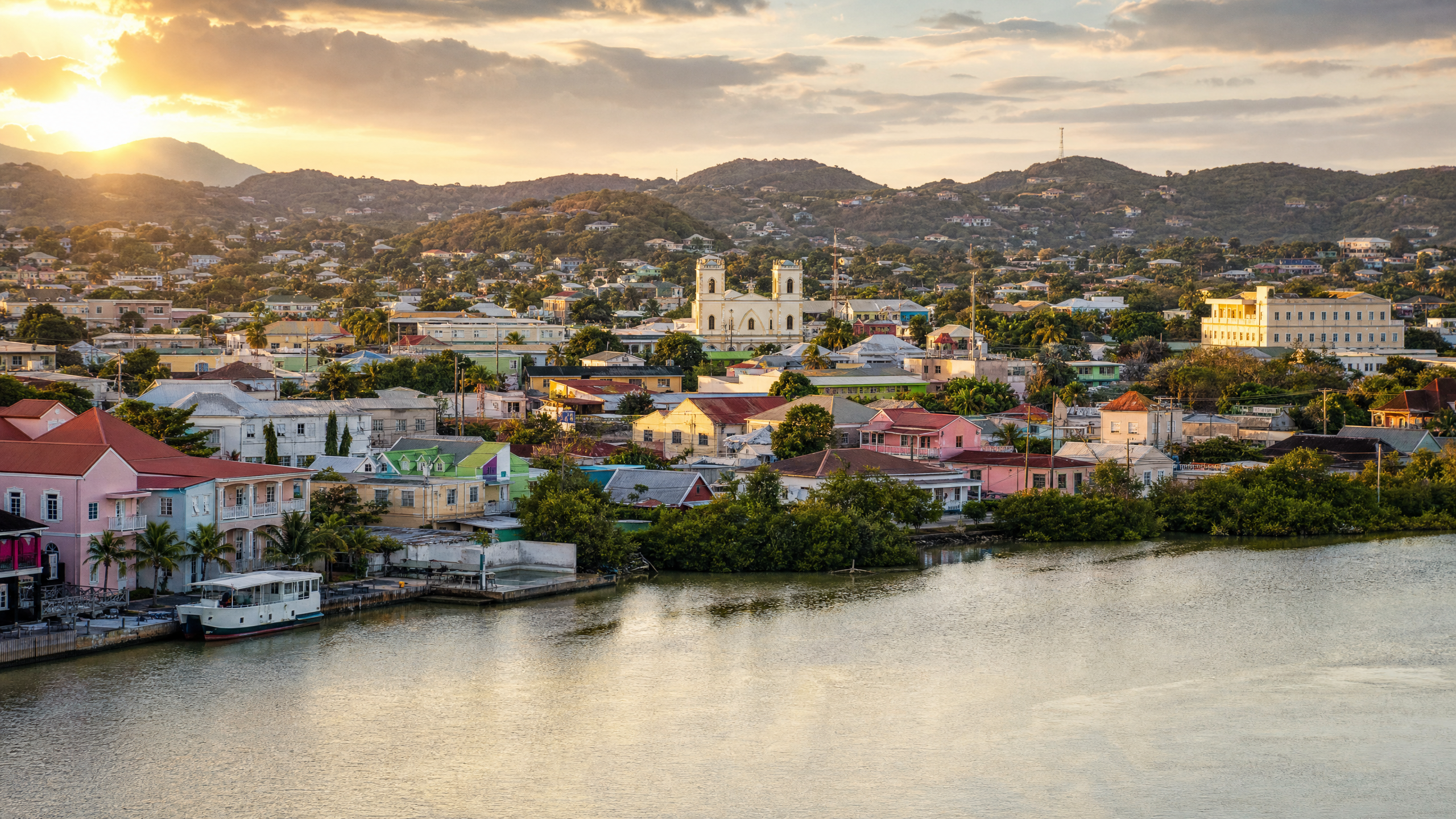
Best for: St John’s deserves a proper place in the Antigua and Barbuda plan, especially when the trip needs capital, market and cruise-port context. St John’s is useful for market life, harbour context, shopping and a short cultural break from resort beaches, especially when paired with nearby coastal bases. It works best as a half-day city layer before returning to the coast for sunset and dinner.
Historic landmarks: St John’s Cathedral, Public Market, Heritage Quay, Museum of Antigua and Barbuda and Cathedral and Market Area should shape the sightseeing plan. Pair with a short city walk. Go earlier in the day.
Museums and attractions: Choose the hotel area around St John’s Edge and Dickenson Bay or Northwest Coast. Pick the district that makes arrival, evening movement and the first full day easier.
Hotels and stay areas: St John’s also needs a food layer. Build meals around fungi, pepperpot, ducana, saltfish, lobster in season, Market Area, Harbourfront and Nearby Beach Resorts so the visitor has a reason to slow down between museums, viewpoints and transfers.
Food and restaurants: Dickenson Bay and English Harbour can extend the stay when there is enough time. The closest classic beach base. The key heritage and sailing route.




English Harbour: Nelson’s Dockyard, sailing culture and viewpoints
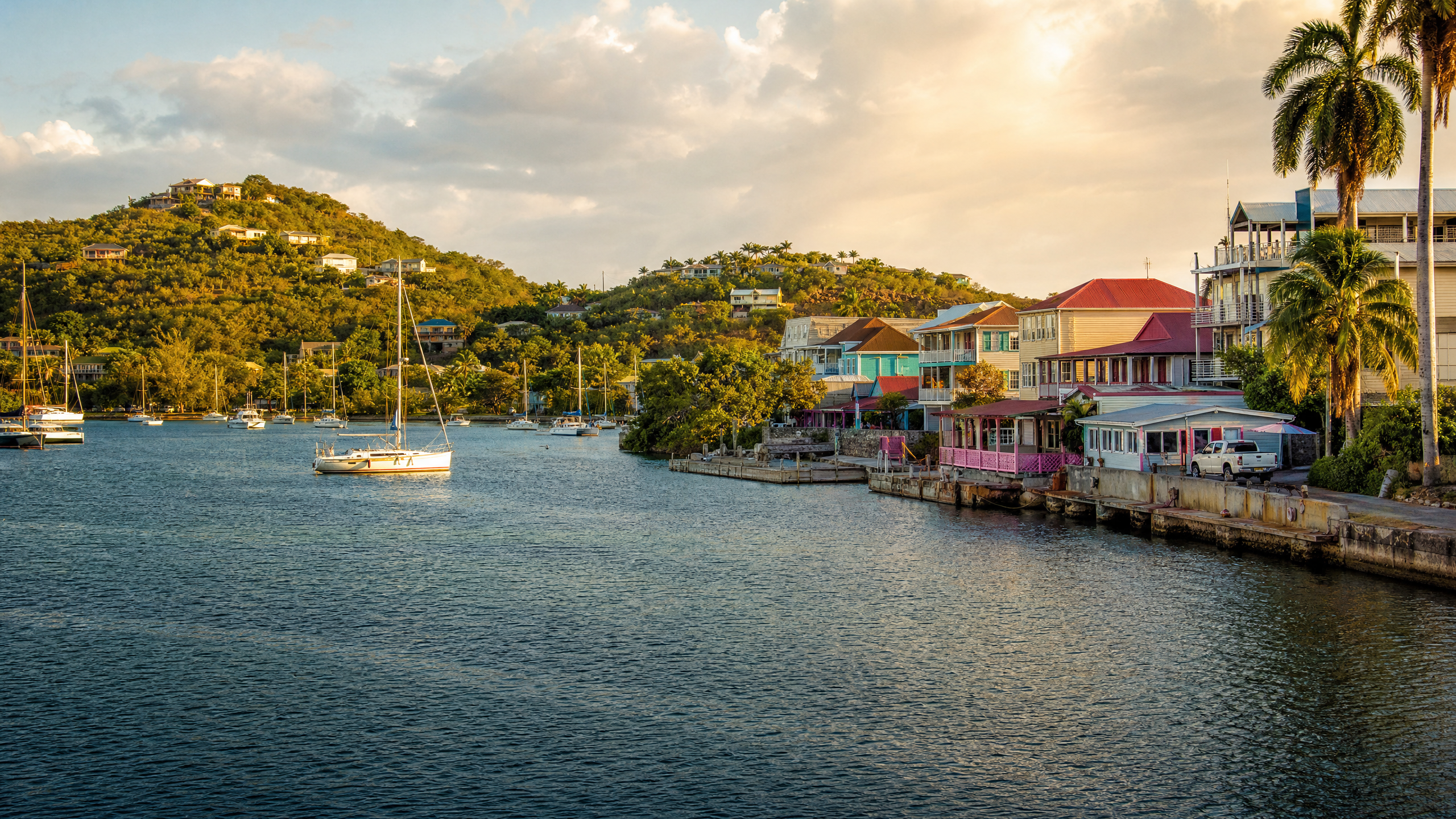
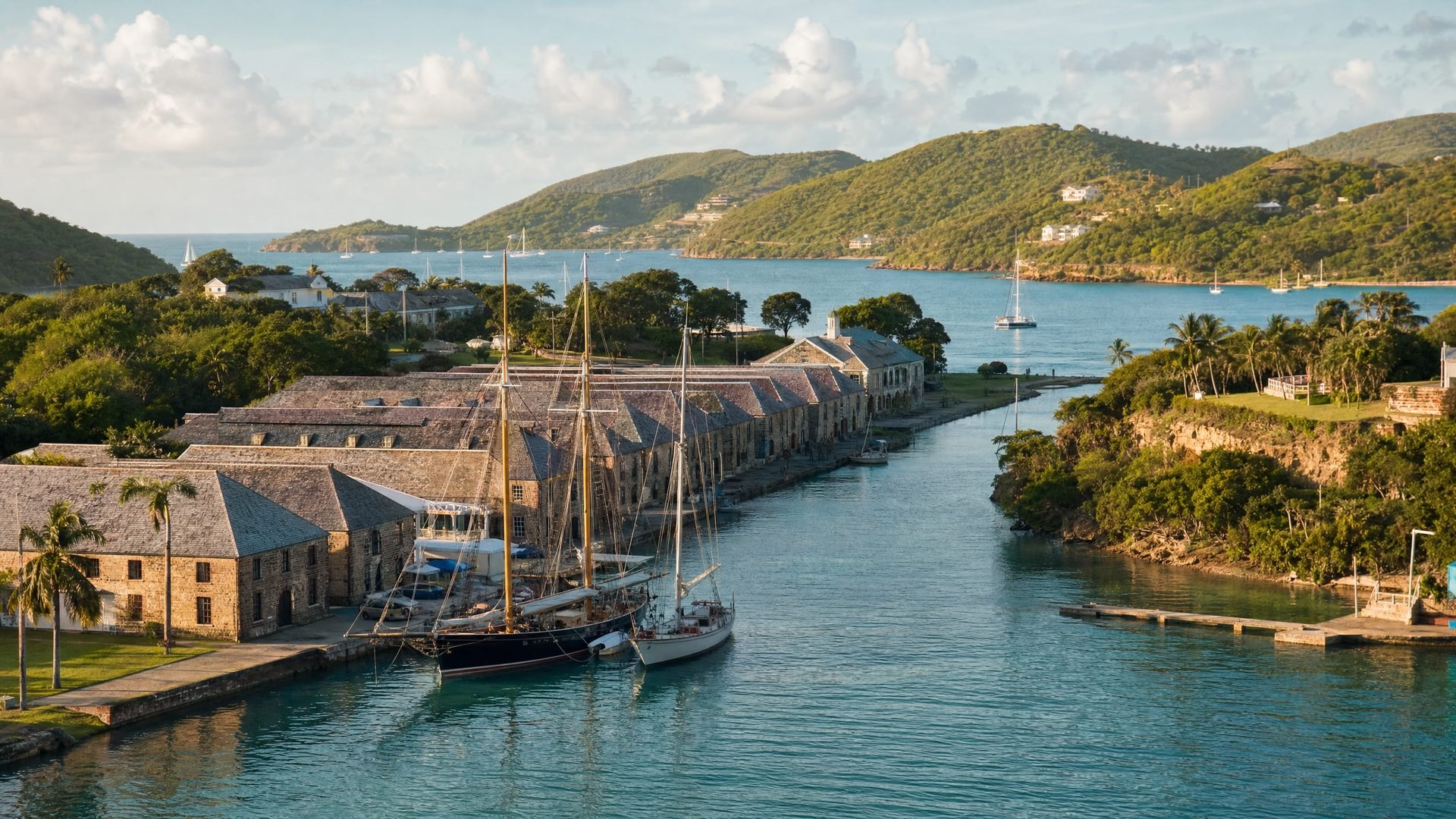
Best for: The value of English Harbour is not only the headline sights; it gives the itinerary Nelson’s Dockyard, sailing culture and viewpoints and a clearer local rhythm. English Harbour is Antigua’s strongest heritage-and-sailing base, with Nelson’s Dockyard, yacht life, hilltop views and nearby beaches in a compact route. It suits travellers who want history, harbour restaurants and coastal walks to sit naturally beside beach time.
Historic landmarks: Nelson’s Dockyard, Shirley Heights, Pigeon Point Beach, Falmouth Harbour, Dockyard Museum and Shirley Heights Lookout should shape the sightseeing plan. Allow time for museum context and harbour walking. Go for views and plan transport back.
Museums and attractions: Choose the hotel area around English Harbour Village, Falmouth Harbour and Nearby Beach Lodges. Pick the district that makes arrival, evening movement and the first full day easier.
Hotels and stay areas: English Harbour also needs a food layer. Build meals around grilled fish, lobster in season, fungi, pepperpot, rum punch, Nelson’s Dockyard, Falmouth Harbour and Pigeon Point Area so the visitor has a reason to slow down between museums, viewpoints and transfers.
Food and restaurants: Shirley Heights and Pigeon Point and Jolly Harbour can extend the stay when there is enough time. The classic harbour-view and beach pairing. A west-coast resort and marina contrast.


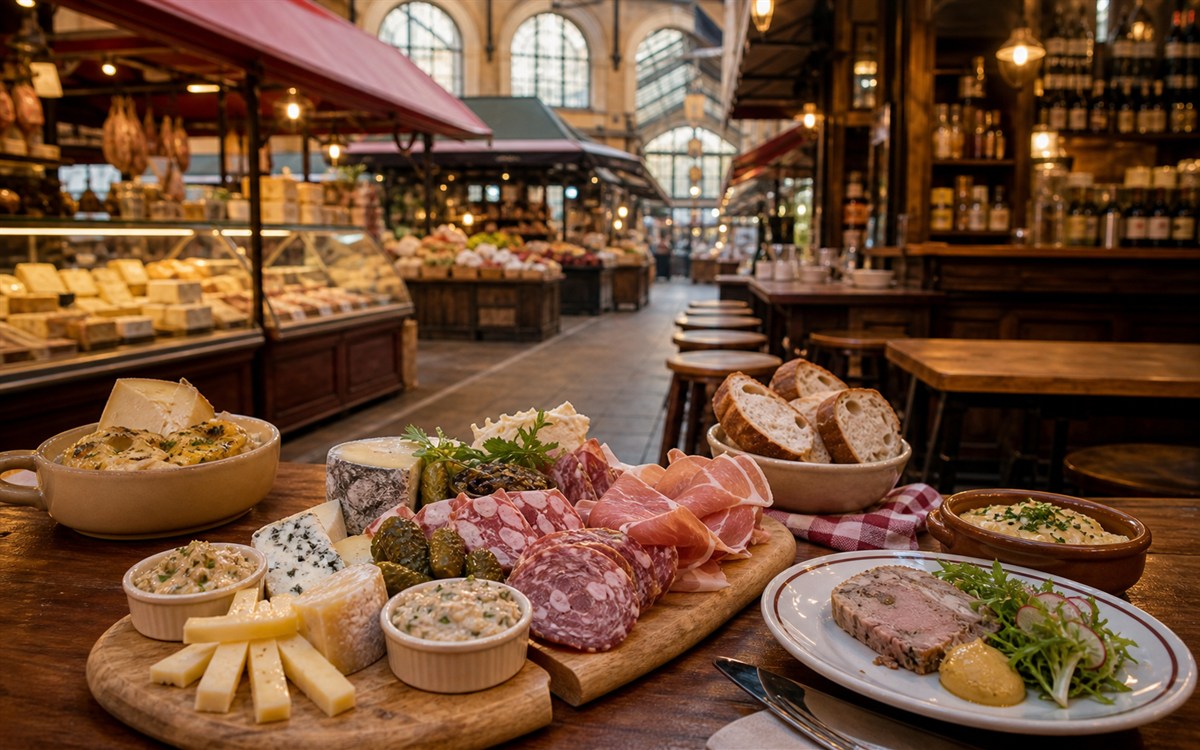
Jolly Harbour: west-coast marina, beaches and family stays
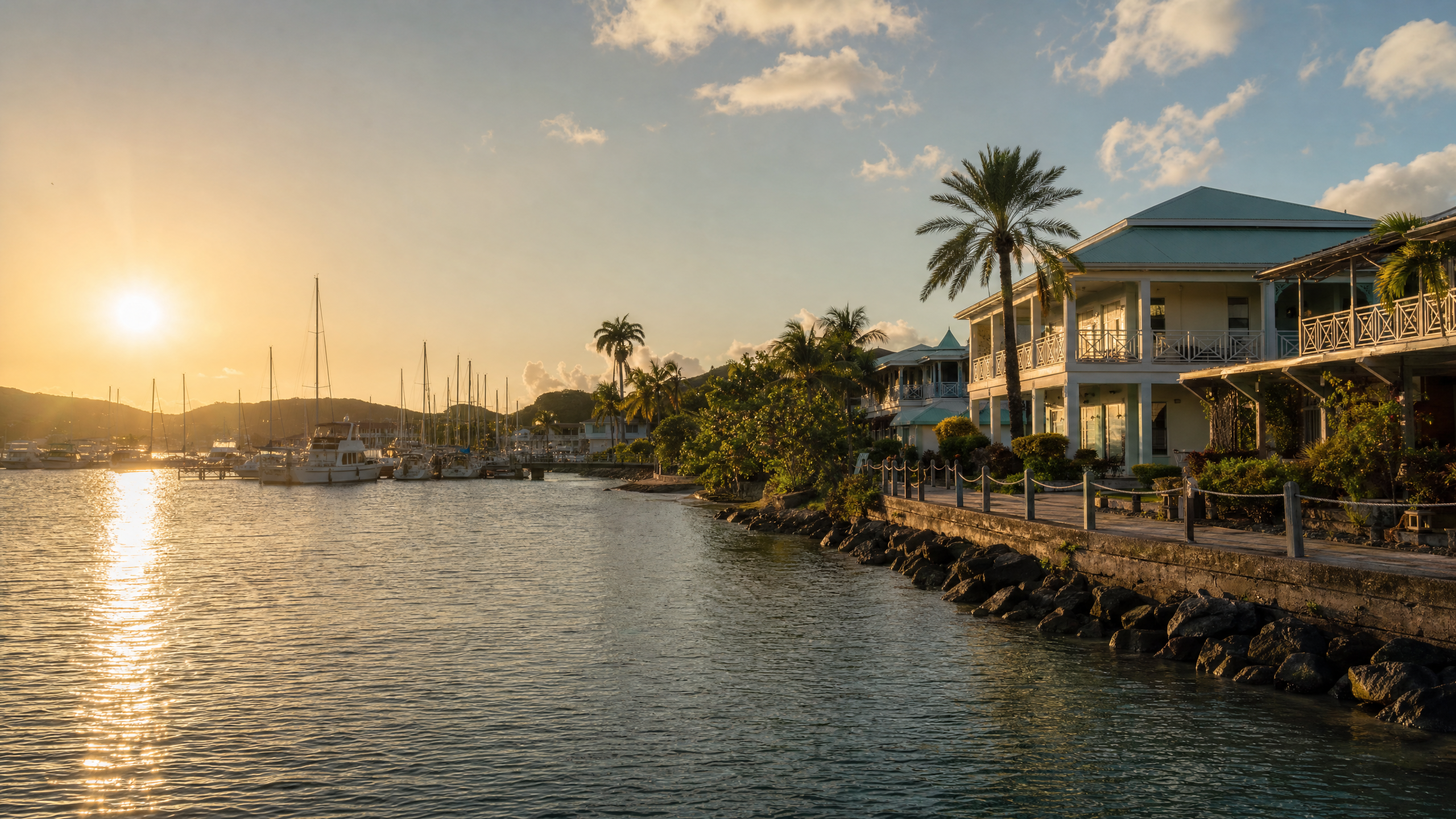
Best for: The value of Jolly Harbour is not only the headline sights; it gives the itinerary west-coast marina, beaches and family stays and a clearer local rhythm. Jolly Harbour is a practical west-coast base for marina life, beach access, self-catering stays, families and easy movement to nearby coves. It works when the trip needs an easy hotel area, relaxed food planning and short beach hops without constant transfers.
Historic landmarks: Jolly Beach, Jolly Harbour Marina, Valley Church Beach, Darkwood Beach, West-Coast Marina Life and Nearby Village Communities should shape the sightseeing plan. Good for easy beach days. Useful for boat trips, groceries and casual meals.
Museums and attractions: Choose the hotel area around Jolly Harbour Villas and Jolly Beach Hotels. Pick the district that makes arrival, evening movement and the first full day easier.
Hotels and stay areas: Jolly Harbour also needs a food layer. Build meals around grilled fish, ducana, saltfish, lobster in season, fungi, Jolly Harbour Marina, Jolly Beach Area and Nearby West-Coast Beaches so the visitor has a reason to slow down between museums, viewpoints and transfers.
Food and restaurants: English Harbour and St John’s can extend the stay when there is enough time. The main heritage and sailing contrast. A practical capital and market stop.


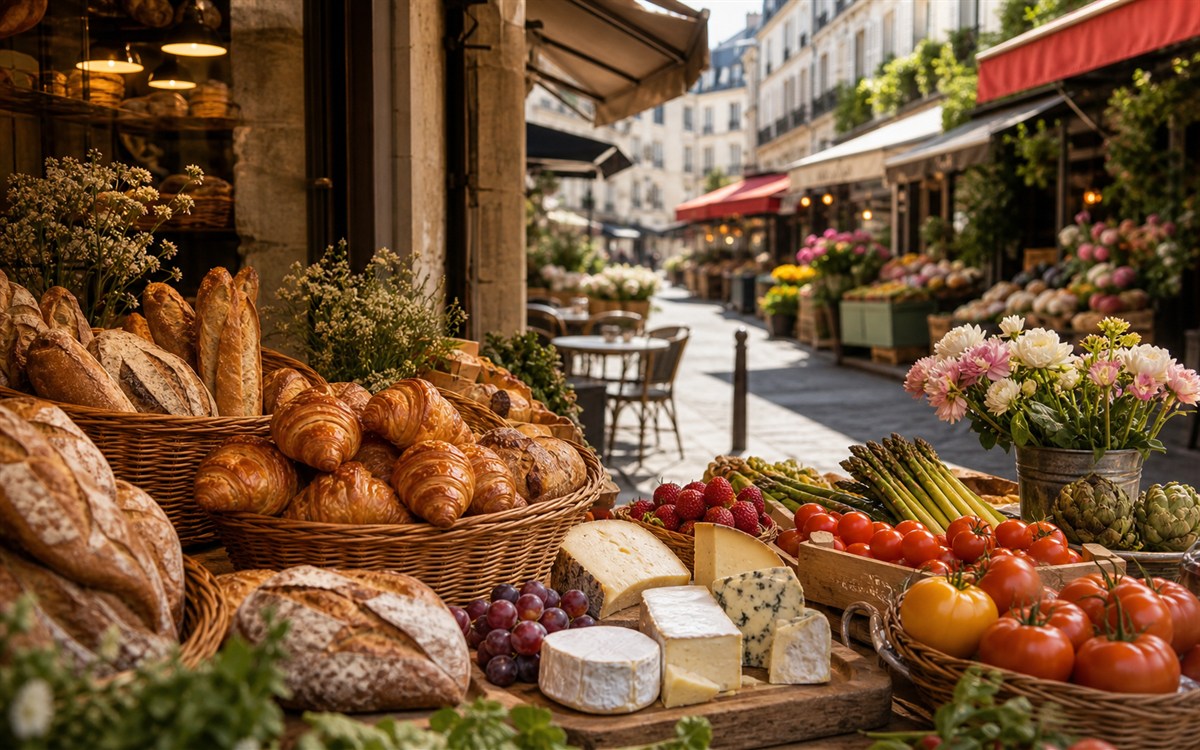

Barbuda: quieter sister island, pink sand and transfer-aware stays

Best for: For Barbuda, the first decision is pace: give the city enough room to show its quieter sister island, pink sand and transfer-aware stays. Barbuda is a quieter, more transfer-sensitive island chapter, best for travellers who want beaches, birdlife and simple pacing rather than dense sightseeing. It should be planned with realistic transport, weather awareness and enough time to enjoy the island’s stillness.
Historic landmarks: Pink Sand Beach Areas, Codrington Lagoon, Frigate Bird Sanctuary Area, Codrington Village, Codrington Village Life and Lagoon and Birdlife Traditions should shape the sightseeing plan. Expect limited services and plan supplies. Use local operators and respect wildlife rules.
Museums and attractions: Choose the hotel area around Codrington Area and Beachfront Lodges. Pick the district that makes arrival, evening movement and the first full day easier.
Hotels and stay areas: Barbuda also needs a food layer. Build meals around lobster in season, grilled fish, fungi, ducana, pepperpot, Codrington, Beach Stays and Day-Trip Stops so the visitor has a reason to slow down between museums, viewpoints and transfers.
Food and restaurants: Antigua and English Harbour can extend the stay when there is enough time. The essential flight or ferry connection. A heritage contrast before or after Barbuda.
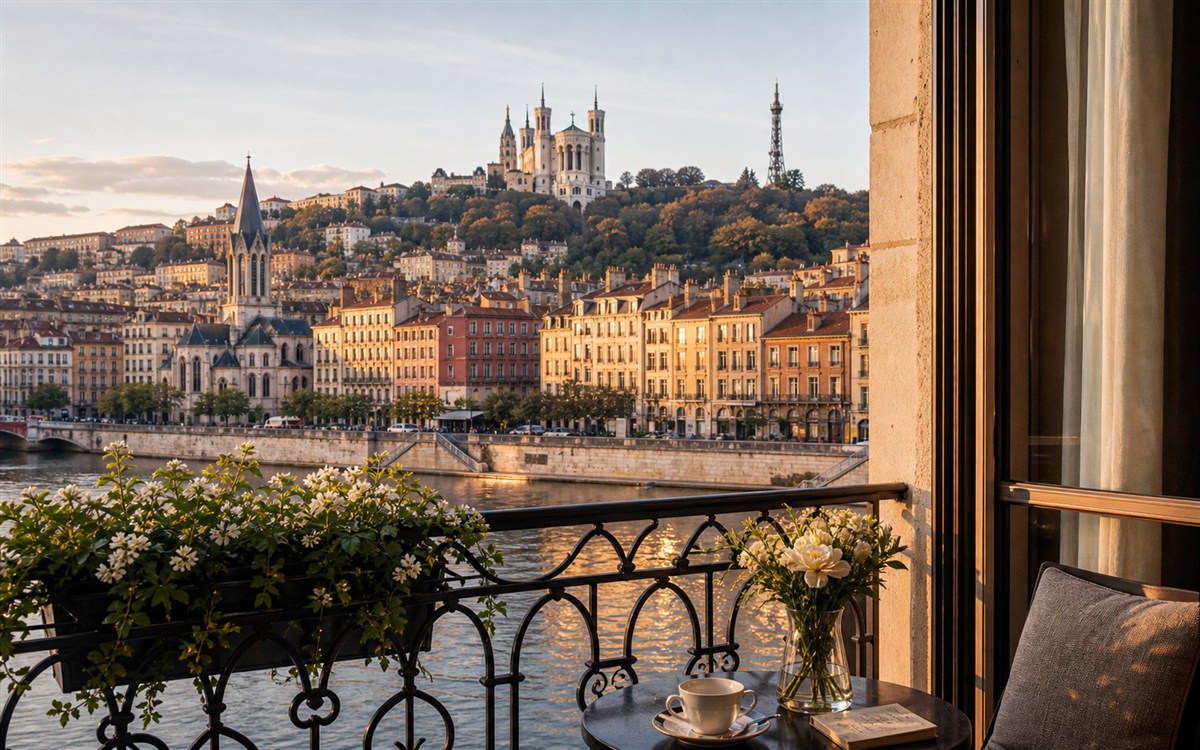


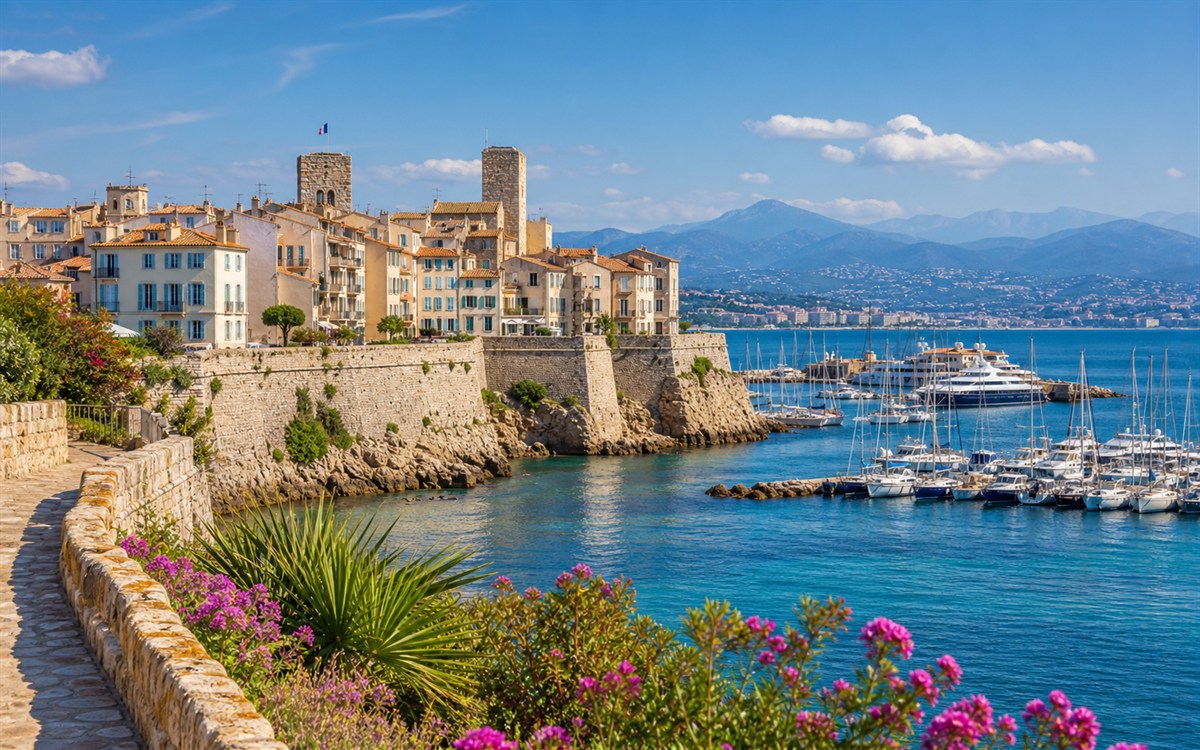
Food, Culture and Route Ideas for Antigua and Barbuda
Food route: Fish, lobster in season, ducana, fungi and pepperpot give meals island identity. Regattas and yacht events shape harbour life at key times of year. Short drives connect resorts, beaches and historic harbours across Antigua. This is where food, culture and route planning should work together.
Food, wine and restaurants: Build meals around fungi, pepperpot, ducana, saltfish, lobster in season, grilled fish and rum punch and keep them close to Market Area, Harbourfront, Nearby Beach Resorts, Nelson’s Dockyard and Falmouth Harbour.
Popular experiences: Choose a beach or harbour base, then add St John’s and English Harbour for context. Use English Harbour as the anchor for maritime history and viewpoints. Keep the route disciplined: one clear hotel area, one strong regional layer and one food or culture experience will usually feel better than trying to touch every possible stop.
Planning rule: Use bookings in a clean order: choose the hotel area first, then add attraction tickets, food tours, guided days and local experiences where they make the journey easier, richer and more realistic.